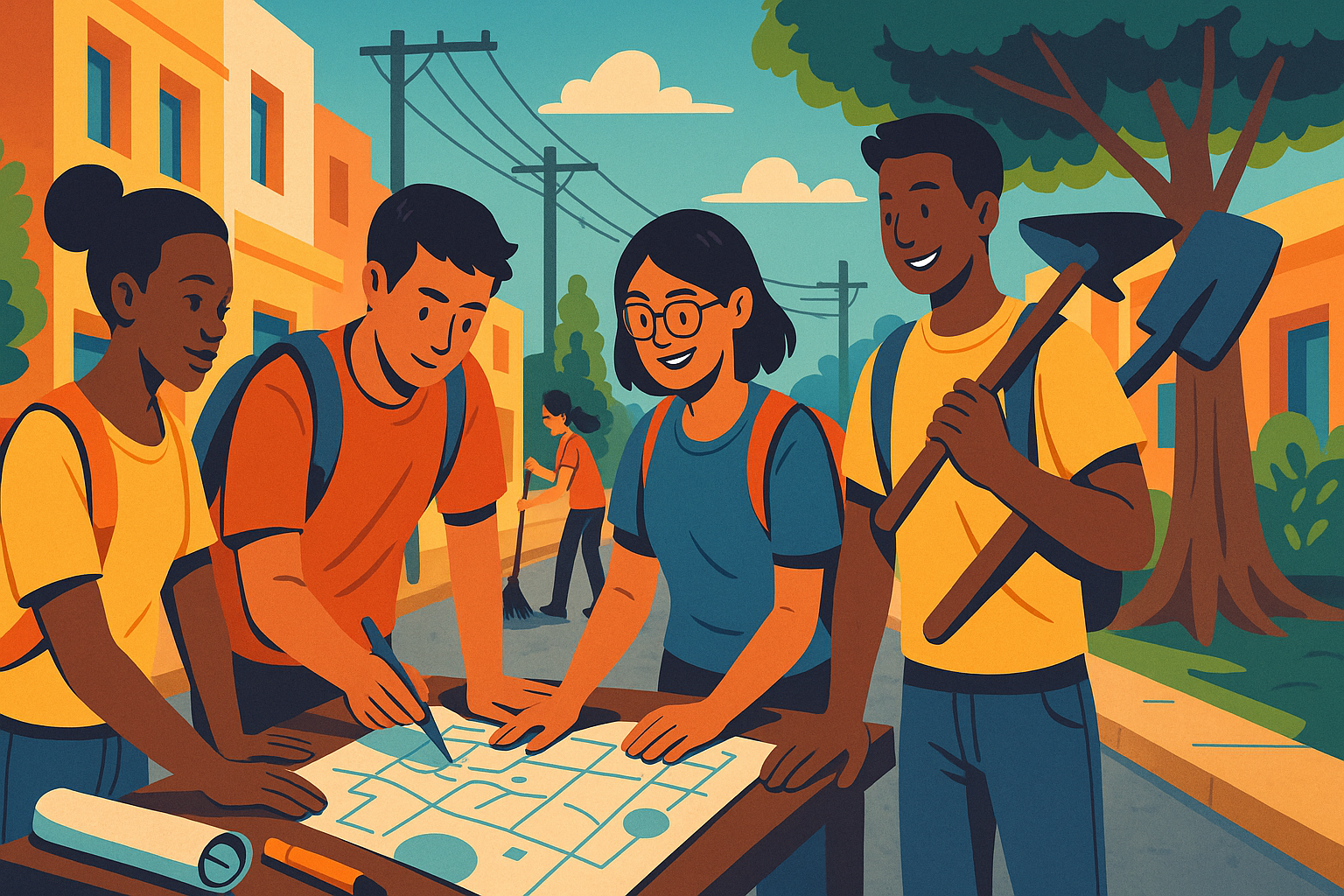
U.S. education experts have ranked 30 strategies to improve the country’s schools. They highlight innovative teaching methods, effective policy evaluation, and community collaboration. This ranking, released on September 28, 2026, offers important insights for educators and policy analysts working to enhance education.
The need for reform in U.S. education is urgent. Students are falling behind in global rankings and facing many challenges. These expert recommendations arrive at a critical time. Policymakers and educators must assess these strategies for both immediate and long-term effectiveness.
Innovative Teaching Methods to Enhance Learning
One key strategy from the rankings is the use of innovative teaching methods. Career Ahead’s analysis shows that engaging techniques, like project-based learning and interdisciplinary approaches, can boost student engagement and retention. Research from the American Psychological Association indicates these methods promote critical thinking and collaboration, preparing students for real-world challenges.
Additionally, using technology in the classroom can create personalized learning experiences. Adaptive learning software caters to individual student needs, allowing them to progress at their own pace. This approach supports diverse learning styles and empowers students to take charge of their education.
This approach supports diverse learning styles and empowers students to take charge of their education.
Career Ahead’s research reveals that schools using innovative teaching strategies report higher student achievement. For example, a study by Education Resource Strategies found that schools with project-based learning saw a 20% increase in performance on standardized tests. This evidence shows how modern teaching methods can improve educational outcomes.
Moreover, teacher training programs must adapt to equip educators with the skills to use these innovative methods effectively. Professional development focused on collaborative teaching and technology integration can help teachers create dynamic learning environments. Investing in teacher training is essential for educational reform.
In summary, integrating innovative teaching methods is vital for revitalizing the U.S. education system. By fostering creativity and collaboration, schools can better prepare students for today’s complexities. The American Psychological Association also notes that teachers skilled in these strategies can greatly enhance student motivation and engagement, leading to a richer educational experience.
Evaluating Educational Policies for Better Outcomes
Another important point made by experts is the need for thorough evaluation of educational policies. Career Ahead’s analysis shows that many policies lack sufficient data to assess their effectiveness. Policymakers must prioritize evidence-based approaches to ensure reforms lead to real improvements in student outcomes.
For instance, standardized testing has been a controversial issue. While designed to measure student performance, these tests often overlook diverse student needs. Research from the American Psychological Association suggests that over-reliance on standardized testing can narrow curricula and lead to teaching to the test, which hinders holistic education.
Education Resource Strategies highlights that successful schools often use community resources to enhance student learning experiences.
Instead, alternative assessment methods, like formative assessments and portfolio reviews, provide a broader view of student learning. Schools that adopt these methods can better tailor instruction to meet individual needs, creating a more inclusive environment. A report from Education Resource Strategies supports this, showing that varied assessment strategies often lead to improved student engagement and outcomes.

Furthermore, collaboration between schools and community organizations is crucial for building supportive educational ecosystems. Involving local stakeholders in policy discussions can lead to more relevant and effective reforms. Education Resource Strategies highlights that successful schools often use community resources to enhance student learning experiences. This collaboration enriches education and aligns school goals with community needs, fostering shared responsibility for student success.
By focusing on policy evaluation and community collaboration, educational stakeholders can ensure that reforms are effective. This approach will lead to a more equitable and successful education system for all students. The urgency of these reforms is clear, as America’s students are falling behind their peers in other countries, requiring immediate and thoughtful action.
In conclusion, community collaboration is essential for a thriving educational environment. As schools implement these expert-recommended strategies, community engagement will be key in shaping the future of education in the U.S. The challenge remains: how can schools effectively apply these strategies while managing the complexities of educational reform? As the landscape evolves, innovative solutions and collaborative efforts will be more important than ever.
Professional development opportunities can equip teachers with the skills needed to implement these changes effectively.
Frequently Asked Questions
What are the most effective teaching strategies for K-12 educators?
Career Ahead analysis shows that innovative teaching methods, such as project-based learning and technology integration, significantly enhance student engagement and achievement. Schools using these strategies report improved performance and student satisfaction.
How can education policy analysts assess the impact of proposed school reforms?
Education policy analysts can evaluate proposed reforms by examining data on student outcomes and engagement. Using evidence-based approaches and alternative assessment methods can provide a clearer understanding of a reform’s effectiveness.

What should educators do to implement expert-recommended changes in their classrooms?
Educators should focus on integrating innovative teaching methods and collaborating with community organizations. Professional development opportunities can equip teachers with the skills needed to implement these changes effectively.
Written by Career Ahead AI. AI can make mistakes, so verify key facts. Report errors to support@careeraheadonline.com.