No products in the cart.

6,000 Agriculture Students Secure ₹21.35 Crore Scholarships
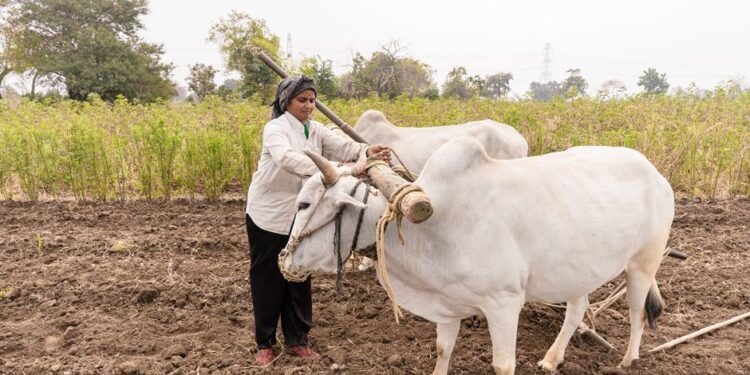
The Indian government's recent disbursement of ₹21.35 crore in scholarships to over 6,000 agriculture students aims to enhance educational access and promote innovation in the agricultural sector.

The Indian government has disbursed ₹21.35 crore in scholarships to over 6,000 agriculture students through the Direct Benefit Transfer (DBT) system. This initiative, launched by Union Agriculture Minister Shivraj Singh Chouhan, aims to streamline the scholarship process and ensure timely financial assistance for students. The announcement was made during an event at the Indian Council of Agricultural Research (ICAR-IARI) on August 10, 2026.
These scholarships are designed to provide financial support to students pursuing education in agriculture, helping them cover tuition fees and other educational expenses. The DBT system is expected to eliminate delays traditionally associated with scholarship disbursement, allowing students to receive their funds directly into their bank accounts. This direct transfer mechanism not only enhances efficiency but also reduces the chances of corruption and mismanagement of funds, ensuring that the intended beneficiaries receive the full amount of their scholarships.
Understanding the Scholarship Process Through NSP
The National Scholarship Portal (NSP) serves as a centralized platform for students to apply for various scholarships, including those for agriculture. To apply for these scholarships, students need to visit the NSP website and log in using their Aadhaar number or other identification methods. After logging in, they can select the scholarship category and fill out the necessary details. The NSP is designed to cater to a wide range of scholarship schemes, making it easier for students to find and apply for financial aid that suits their needs.
According to the NSP guidelines, students can apply for more than one scholarship scheme, provided they meet the eligibility criteria. This flexibility allows students to seek additional financial support, particularly beneficial for those pursuing specialized agricultural courses. The application process involves submitting personal and academic information, followed by the generation of an Application ID, which students can track for status updates. The NSP also provides a comprehensive database of available scholarships, which can be a valuable resource for students looking to maximize their funding opportunities.
Career Ahead’s analysis shows that the shift to a digital platform like NSP not only simplifies the application process but also enhances transparency. Students can easily access information about various scholarships, eligibility requirements, and deadlines. This digital approach is particularly significant for agriculture students, as it aligns with the government’s goal of promoting education in this vital sector. Furthermore, the NSP is designed to provide real-time updates on application statuses, enabling students to stay informed throughout the process. This feature is crucial for students who rely on timely financial support to continue their studies without interruption.
This digital approach is particularly significant for agriculture students, as it aligns with the government’s goal of promoting education in this vital sector.
For many students, the financial assistance provided through these scholarships can significantly impact their educational journey. Scholarships not only reduce the financial burden but also encourage students to pursue higher education in agriculture, a field that is critical for the country’s economy. According to a report by Buddy4Study, the availability of scholarships has been shown to increase enrollment rates in agricultural programs, thereby contributing to a more educated workforce in the sector.
The Impact of Increased Scholarship Funding on Agriculture Education
The recent disbursement of ₹21.35 crore in scholarships reflects a growing recognition of the importance of agricultural education in India. With agriculture being a primary sector that employs a significant portion of the population, investing in education for future farmers and agricultural professionals is essential. According to data from scholarshipinstitute.org, there are numerous scholarship opportunities available for students in agriculture, further highlighting the commitment to enhancing educational pathways in this field. This investment is not only about financial support; it is also about fostering innovation and research in agricultural practices, which are vital for improving productivity and sustainability.
Moreover, the government’s focus on agricultural scholarships is a strategic move to strengthen the sector. By providing financial support, the government aims to attract more students to pursue degrees in agriculture, thereby fostering innovation and development in agricultural practices. This initiative aligns with broader goals of improving food security and sustainability in India. As highlighted by Agri Opportunities, the increasing number of scholarships available is a testament to the government’s commitment to developing a robust agricultural education framework that can adapt to the changing needs of the industry.
Career Ahead research finds that the increase in scholarship funding is likely to lead to a more skilled workforce in agriculture. As more students gain access to education without financial barriers, the sector can expect a rise in qualified professionals equipped with modern agricultural techniques and knowledge. This shift could enhance productivity and efficiency in agricultural practices, ultimately benefiting the economy. Additionally, as the agricultural landscape evolves with advancements in technology, there is a pressing need for skilled professionals who can navigate these changes. Scholarships play a vital role in ensuring that students are not only able to afford their education but also prepared to meet the demands of a changing industry.

In summary, the financial support provided through these scholarships is crucial for fostering a new generation of agricultural experts who can contribute to the sector’s growth and innovation. As the government continues to invest in agricultural education, it will be interesting to observe how these initiatives translate into tangible improvements in the sector. Will we see an increase in enrollment in agricultural programs, and how will this impact the future of farming in India? The answers to these questions will shape the future of agriculture in the country, as a well-educated workforce is essential for addressing the challenges of food security and sustainable development.
The answers to these questions will shape the future of agriculture in the country, as a well-educated workforce is essential for addressing the challenges of food security and sustainable development.
Key Benefits of the Scholarship Program
- Financial Relief: The scholarships provide essential financial support, alleviating the burden of tuition fees and other educational expenses. This assistance enables students to focus on their studies without the stress of financial constraints, ultimately leading to better academic performance.
- Increased Enrollment: The availability of scholarships has been shown to boost enrollment rates in agricultural programs. This trend is crucial for cultivating a skilled workforce that can address the challenges faced by the agricultural sector in India.
- Promotion of Innovation: By investing in agricultural education, the government encourages innovation and research in the field. Students equipped with modern knowledge and techniques can contribute to advancements in agricultural practices, enhancing productivity and sustainability.
- Accessibility to Diverse Opportunities: The National Scholarship Portal (NSP) allows students to explore various scholarship options tailored to their needs. This accessibility ensures that students can find financial aid that aligns with their academic goals and career aspirations.
- Transparency and Efficiency: The DBT system enhances the scholarship application process by providing real-time updates and reducing delays. This transparency fosters trust in the system and ensures that students receive their funds promptly, enabling them to continue their education without interruption.
- Strengthening the Agricultural Workforce: The increase in scholarship funding is poised to create a more skilled workforce in agriculture. As more students gain access to education, the sector can expect a rise in qualified professionals ready to tackle the evolving challenges of modern agriculture.
Frequently Asked Questions
What are the eligibility criteria for agriculture scholarships?
Eligibility for agriculture scholarships typically includes being enrolled in an accredited agricultural program and meeting specific academic requirements. Each scholarship may have additional criteria, so students should check the NSP for detailed information.
How do I track my scholarship application status?
Students can track their scholarship application status through the National Scholarship Portal by logging in with their Application ID. This feature allows them to receive real-time updates on their application progress.

What should agriculture students do to maximize their scholarship opportunities?
Agriculture students should research various scholarship options available through the NSP and apply for multiple schemes if eligible. Staying informed about deadlines and requirements is crucial for increasing their chances of receiving financial aid.
Written by Career Ahead AI. AI can make mistakes, so verify key facts. Report errors to support@careeraheadonline.com.