


We have watched the landscape of career development shift significantly with the rise of micro-skills and micro-credentials. Employers are no longer relying solely on degrees to assess a candidate’s skills and competence. Instead, they are turning to micro-credentials as a trusted indicator of a candidate’s abilities, making them a crucial component of a personalized learning plan.
Observing the Shift to Micro-Credentials
What we keep seeing is a trend where employers prioritize candidates with verifiable, specialized skills. The evidence suggests that employers value candidates with these skills. The tip here is to incorporate micro-credentials into your learning plan, focusing on acquiring skills that are directly applicable to your career goals.
Embracing AI-Generated Microlearning

We notice a pattern where professionals who leverage AI-generated microlearning are better equipped to upskill in today’s fast-paced work environment. Deborah Quazzo and Claire Zau highlight the importance of embracing AI in learning. The tip is to utilize AI-generated microlearning platforms to access bite-sized, relevant learning content that can be consumed at your own pace.
Personalizing Your Learning Experience
What we observe is that personalized learning puts each individual at the center of education, making lessons more meaningful and effective. As Mieke Van Aalst-Blatter notes, “Generic training treats everyone the same, and that’s exactly why it wastes time.” The tip is to adopt a personalized learning approach that considers your strengths, interests, and learning style.
Personalizing Your Learning Experience What we observe is that personalized learning puts each individual at the center of education, making lessons more meaningful and effective.
Crafting a Well-Structured Learning Plan
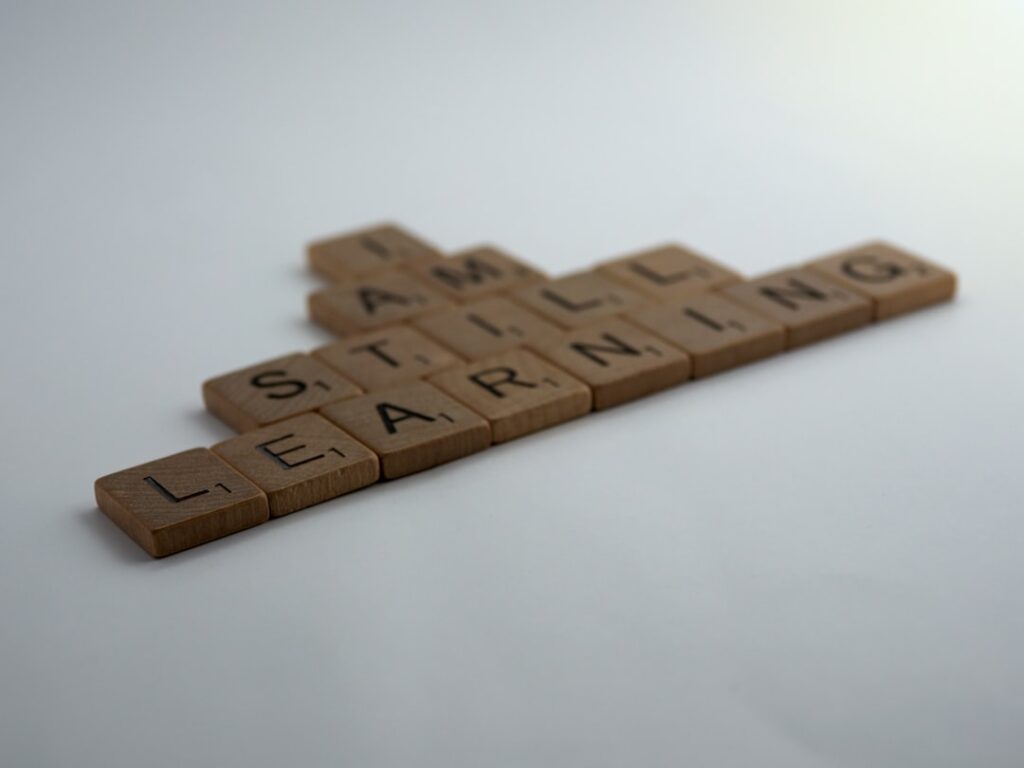
We see that a well-structured personalized learning plan serves as a roadmap tailored to an individual’s goals, skills, and learning style. This plan keeps you focused, tracks your progress, and helps you achieve your objectives step by step. The tip is to follow a structured approach to build your personalized learning plan.
Assessing and Identifying Skill Gaps
What we keep seeing is the importance of assessing one’s skills and identifying areas for improvement. This critical step allows you to focus your learning efforts on the skills that will have the most impact on your career. The tip is to regularly assess your skills against the requirements of your desired role and identify gaps that need to be addressed through targeted learning.
Adapting to the Evolving Landscape of Micro-Skills
We observe that the landscape of micro-skills is rapidly evolving, with new skills emerging and others becoming obsolete. The tip is to continuously update your personalized learning plan to reflect these changes, ensuring you remain relevant and competitive in the job market. This might involve regularly reviewing industry trends and adjusting your learning goals accordingly.
Embedding Continuous Learning into Your Career
What we notice is that professionals who embed continuous learning into their career trajectory are more likely to achieve long-term success. The tip is to view your personalized learning plan as a dynamic document that evolves with your career, rather than a static plan that is completed and then set aside. By doing so, you foster a mindset of continuous improvement and upskilling.
 Career Guidance
7 Strategies for Crafting a 30-60-90 Day Plan to Ensure Success in Your New Job
A well-crafted 30-60-90 day plan can significantly reduce the likelihood of new hires leaving within the first 90 days by providing clear priorities and measurable…
Read More →Embedding Continuous Learning into Your Career What we notice is that professionals who embed continuous learning into their career trajectory are more likely to achieve long-term success.
In conclusion, what separates professionals who thrive in the era of micro-skills from those who do not is their ability to adapt and continuously upskill. We term this ability “Skill Agility,” and it is characterized by a proactive approach to learning, a focus on micro-credentials, and a willingness to evolve with the changing landscape of work. By embracing the strategies outlined above, you can cultivate Skill Agility and position yourself for success in a rapidly changing job market.
Written by Career Ahead AI. AI can make mistakes, so verify key facts. Report errors to support@careeraheadonline.com.





