No products in the cart.

7 Strategies for Maximizing Remote Collaboration with Nonverbal Communication
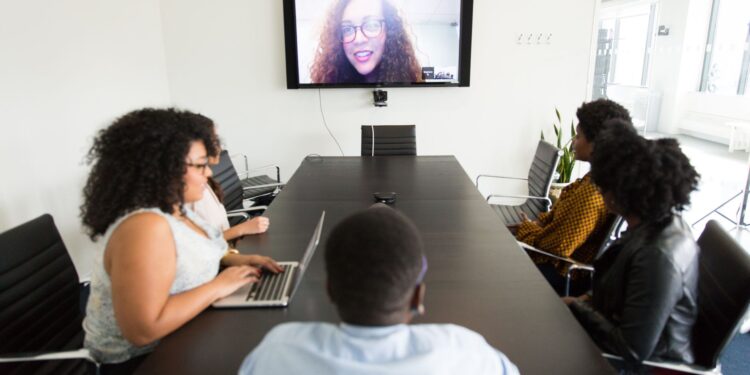
Maximizing remote collaboration with nonverbal communication requires a thoughtful approach, including async-first workflows, AI-powered meeting tools, and regular virtual social activities.

The most effective remote teams do not necessarily rely on an abundance of video calls to facilitate collaboration; rather, they prioritize intentional nonverbal communication strategies, recognizing that the absence of physical presence demands a more thoughtful approach to interaction. This counterintuitive insight is crucial for professionals navigating the complexities of remote work, where the lack of nonverbal cues can hinder team cohesion and productivity. By implementing async-first workflows, utilizing AI-powered meeting tools, and establishing clear response rules, remote teams can mitigate the risks associated with nonverbal communication and foster a more collaborative environment.
Understanding the Challenges of Nonverbal Communication in Remote Teams
Remote work has transformed the way teams interact, introducing specific hurdles that can erode company culture if not addressed properly. As professionals note, remote collaboration is the practice of working together toward shared goals from different physical locations, using digital tools to communicate, plan, and execute. However, this shift towards remote work also means that teams must adapt to new communication challenges, including the lack of nonverbal cues that are typically present in in-person interactions. To overcome these challenges, remote teams must be intentional about their communication strategies, leveraging tools and frameworks that facilitate nonverbal communication and promote a sense of community.
Implementing Async-First Workflows and Centralized SSOT
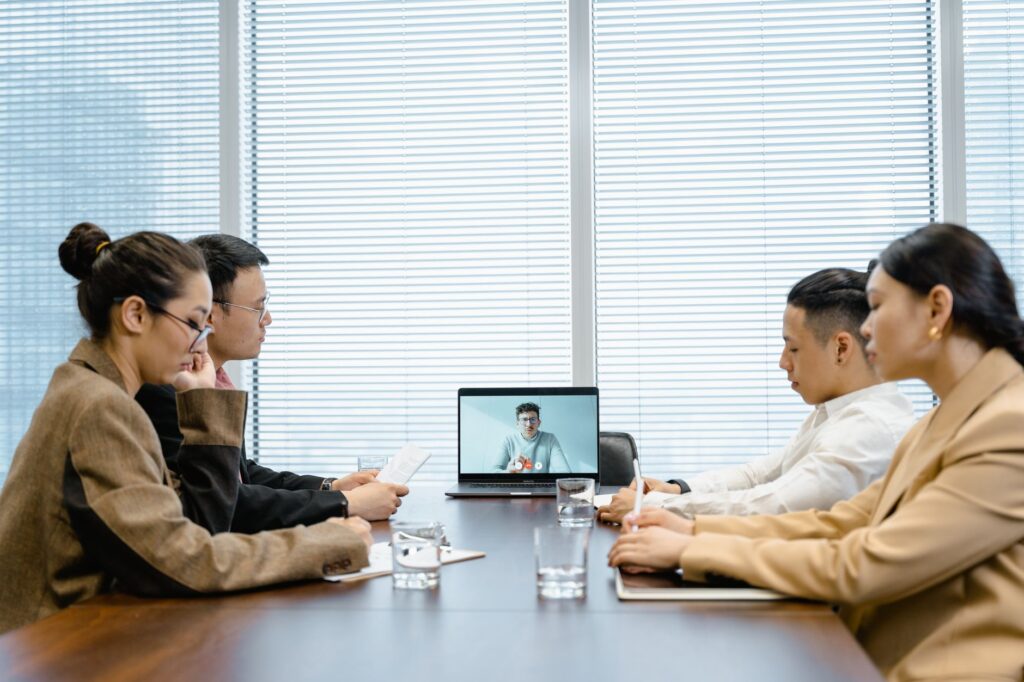
One strategy for maximizing remote collaboration is to implement async-first workflows, which can significantly reduce misunderstandings and increase productivity in remote teams. By prioritizing asynchronous communication, teams can reduce the noise and distractions associated with constant video calls, allowing team members to focus on their work and respond to messages at their own pace. Additionally, establishing a centralized Single Source of Truth (SSOT) is crucial for maintaining clarity and transparency in remote collaboration. This can be achieved by designating a single platform or tool for team communication, project management, and knowledge sharing, ensuring that all team members have access to the same information and are on the same page.
As professionals note, remote collaboration is the practice of working together toward shared goals from different physical locations, using digital tools to communicate, plan, and execute.
Leveraging AI-Powered Meeting Tools and Establishing Clear Response Rules
AI-powered meeting tools can also enhance nonverbal cues and provide more accurate interpretations of team members’ emotions and intentions. These tools can analyze tone, language patterns, and other nonverbal indicators, providing valuable insights that can inform team interactions and improve communication. Furthermore, establishing clear response rules and expectations can mitigate the risks of miscommunication in remote teams. This can include setting deadlines for responses, designating specific communication channels for different types of messages, and encouraging team members to ask questions and seek clarification when needed.
Building a Strong Virtual Culture

Remote teams that prioritize building a strong virtual culture are more likely to overcome the challenges of nonverbal communication. This can be achieved by establishing regular virtual social activities, such as virtual happy hours or team lunches, which can help remote teams develop the nonverbal communication skills necessary for successful collaboration. Additionally, teams can leverage frameworks and strategies to guide their communication strategies and promote a sense of community. By investing in their virtual culture, remote teams can build trust, foster open communication, and promote a sense of belonging among team members.
The Importance of Intentional Nonverbal Communication
The importance of intentional nonverbal communication in remote teams cannot be overstated. As professionals note, remote work has become the norm for many organizations, but keeping teams connected is still a big challenge. Projects often live in one platform, conversations in another, while updates get buried in endless email threads. The result is slow progress and a lack of clarity about what’s really happening. Strong remote collaboration has the power to totally change this dynamic. By prioritizing intentional nonverbal communication, remote teams can reduce misunderstandings, increase productivity, and promote a sense of community.
Regular Virtual Social Activities
Regular virtual social activities can help remote teams develop the nonverbal communication skills necessary for successful collaboration. These activities can include virtual team-building exercises, online game nights, or simply scheduled time for team members to connect and chat. By investing in these activities, remote teams can build relationships, establish trust, and promote a sense of belonging among team members. Additionally, teams can leverage tools such as video conferencing platforms, instant messaging apps, and collaboration software to facilitate communication and promote nonverbal cues.
In conclusion, maximizing remote collaboration with nonverbal communication requires a thoughtful and intentional approach. By implementing async-first workflows, leveraging AI-powered meeting tools, establishing clear response rules, building a strong virtual culture, prioritizing intentional nonverbal communication, and engaging in regular virtual social activities, remote teams can overcome the challenges of nonverbal communication and promote a more collaborative environment. As Career Ahead’s analysis shows, remote teams that prioritize nonverbal communication will be better equipped to navigate the complexities of remote work and achieve their goals.
Related Articles
- 7 Strategies for Mastering the Art of Self-Directed Learning: Introducing the Personalized Learning Blueprint
Written by Career Ahead AI. AI can make mistakes, so verify key facts. Report errors to support@careeraheadonline.com.