No products in the cart.

7 Ways to Craft Compelling Micro-Case Studies to Land Product Management Roles

However, by leveraging micro-case studies, professionals can create a more compelling and memorable narrative that sets them apart from other candidates.

Many professionals struggle to effectively showcase their product management skills, often relying on traditional resumes and cover letters that fail to demonstrate their capabilities. However, by leveraging micro-case studies, professionals can create a more compelling and memorable narrative that sets them apart from other candidates.
Focus on a Single, Impactful Metric
Focusing on a single, impactful metric can make a micro-case study more convincing than a broad, general overview of a project’s success. By highlighting a specific metric, such as a 25% increase in user engagement or a 30% reduction in customer complaints, professionals can demonstrate the tangible impact of their work. This approach also allows professionals to tell a more nuanced story, highlighting the challenges and obstacles they overcame to achieve the desired outcome.
Use Storytelling Techniques to Increase Resonance

Using storytelling techniques, such as narratives and anecdotes, can increase the emotional resonance and memorability of micro-case studies. By incorporating vivid descriptions, dialogue, and sensory details, professionals can bring their micro-case studies to life, making them more relatable and engaging. This approach also helps to create a sense of authenticity, allowing professionals to showcase their personality and style.
Showcase Product Management Skills through Micro-Case Studies
A well-crafted micro-case study can be more effective at showcasing product management skills than a traditional resume or cover letter. By highlighting specific examples of product development, launch, and iteration, professionals can demonstrate their expertise in areas such as market analysis, customer feedback, and data-driven decision making. This approach also allows professionals to showcase their ability to work collaboratively with cross-functional teams, including engineering, design, and marketing.
Showcase Product Management Skills through Micro-Case Studies A well-crafted micro-case study can be more effective at showcasing product management skills than a traditional resume or cover letter.
Incorporate Feedback from Stakeholders and Users
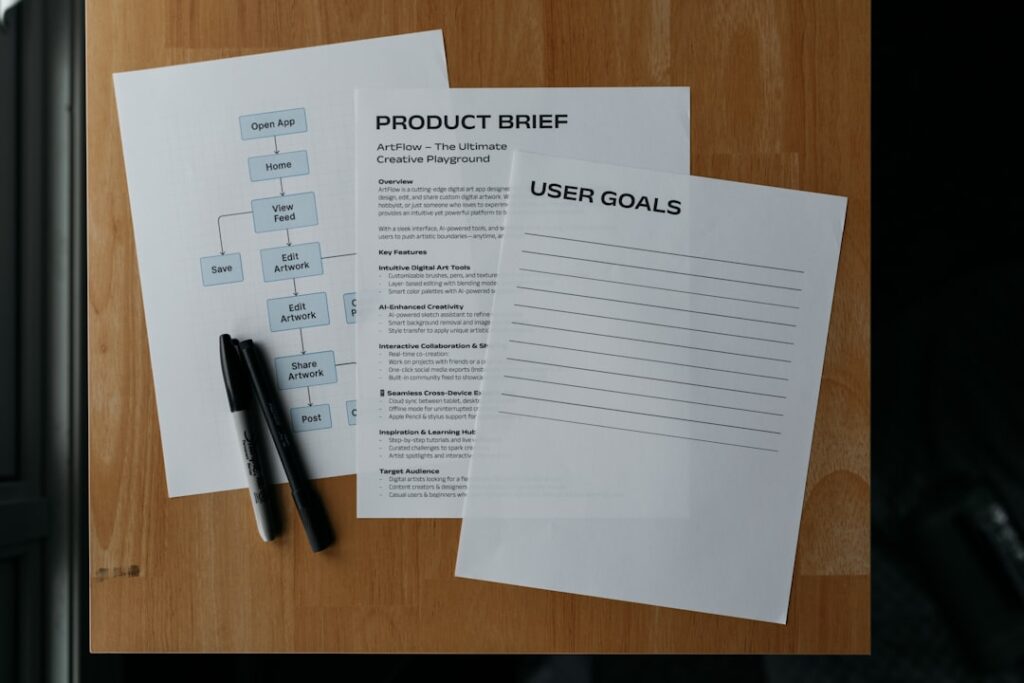
Incorporating feedback from stakeholders and users can add credibility and depth to micro-case studies. By highlighting the input and insights of others, professionals can demonstrate their ability to listen, adapt, and respond to feedback. This approach also helps to create a more well-rounded narrative, showcasing the complexities and challenges of product development.
Demonstrate a Range of Product Management Skills
Micro-case studies can be used to demonstrate a range of product management skills, from data analysis to communication and problem-solving. By highlighting specific examples of product development, launch, and iteration, professionals can showcase their expertise in areas such as market analysis, customer feedback, and data-driven decision making. This approach also allows professionals to demonstrate their ability to work collaboratively with cross-functional teams, including engineering, design, and marketing.
Tailor Micro-Case Studies to the Specific Job and Company
The most effective micro-case studies are those that are tailored to the specific job and company being applied for. By researching the company’s products, services, and values, professionals can create micro-case studies that speak directly to the company’s needs and goals. This approach also allows professionals to demonstrate their understanding of the company’s challenges and opportunities, showcasing their ability to think strategically and creatively.
Use a Clear and Compelling Framework to Structure Micro-Case Studies
Using a “problem-agitation-solution” framework can help structure micro-case studies in a clear and compelling way. By identifying a specific problem or challenge, highlighting the obstacles and complexities, and showcasing the solution and outcome, professionals can create a narrative that is both engaging and informative. This approach also allows professionals to demonstrate their ability to think critically and creatively, showcasing their expertise in product management.
This approach also allows professionals to demonstrate their ability to think critically and creatively, showcasing their expertise in product management.
By following these strategies, professionals can create micro-case studies that are both compelling and effective, setting them apart from other candidates and increasing their chances of landing product management roles. The single most effective action is to focus on a single, impactful metric, allowing professionals to tell a nuanced and compelling story that showcases their skills and expertise.
Written by Career Ahead AI. AI can make mistakes, so verify key facts. Report errors to support@careeraheadonline.com.