No products in the cart.

$880bn Investment Fuels South Korea’s Chip and AI Growth
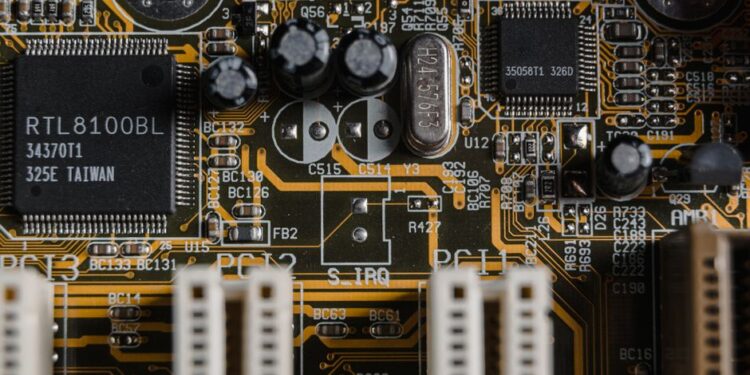
South Korea's ambitious $880 billion investment plan aims to enhance its semiconductor and AI sectors, positioning the nation as a leader in the global technology market amid rising competition from Taiwan and China.

South Korea has unveiled an ambitious investment plan totaling $880 billion, aimed at significantly boosting its semiconductor and artificial intelligence (AI) sectors. Announced by President Lee Jae-myung on June 29, 2026, this initiative is designed to secure a competitive edge in the global technology market, particularly as regional rivals such as Taiwan and China ramp up their own semiconductor capabilities.
The investment plan includes the construction of new chip production facilities and AI infrastructure across the nation. This strategic move is not only about enhancing technological capabilities but also about revitalizing economies outside the capital, Seoul, and creating numerous job opportunities in chip manufacturing and AI research.
Transforming the Semiconductor Landscape
The South Korean government’s substantial investment in chip manufacturing is set to transform the landscape for engineers in this field. The establishment of advanced semiconductor facilities will lead to a surge in demand for skilled professionals. According to analysis from Career Ahead, engineers specializing in semiconductor design and fabrication will be particularly sought after as new production lines come online.
Moreover, this investment is expected to foster partnerships with major global tech firms, enhancing innovation in chip technology. Industry leaders like Samsung and SK Hynix, already at the forefront of the semiconductor industry, are anticipated to expand their workforce significantly. This growth will create opportunities for both seasoned engineers and recent graduates entering the field.
As reported by CNBC, this investment aligns with a broader trend of nations investing in their semiconductor capabilities to reduce reliance on foreign technology. Consequently, engineers in South Korea will need to adapt to new technologies and processes that emerge from this initiative.
Additionally, the integration of AI into chip technology will necessitate engineers to develop expertise in AI hardware optimization. This shift presents exciting opportunities for professionals to work at the intersection of AI and semiconductor technology, a rapidly evolving domain.
This shift presents exciting opportunities for professionals to work at the intersection of AI and semiconductor technology, a rapidly evolving domain.
Boosting AI Research and Development
The $880 billion investment plan also significantly bolsters AI research and development in South Korea. With government funds allocated for AI infrastructure, researchers are poised to lead innovation in this critical field. New AI data centers and research hubs are expected to attract top talent from around the globe.
Career Ahead’s research indicates that AI researchers with skills in machine learning, data analysis, and algorithm development will experience an increase in job openings. As businesses strive to leverage AI technologies, the demand for skilled professionals in this area is set to rise. Companies are eager to integrate AI into their operations to enhance efficiency and competitiveness.
Furthermore, collaborations between the government and private sector giants like Samsung and SK Hynix will enable joint research projects, providing researchers access to cutting-edge technology and resources. Such partnerships are likely to elevate the quality of AI research in South Korea, positioning the country as a leader in the global AI landscape.

In addition, the investment is expected to increase funding for academic institutions focused on AI studies. As universities expand their programs to meet the growing demand for AI expertise, students and researchers will benefit from enhanced educational opportunities and resources.
Economic Ripple Effects
The implications of South Korea’s $880 billion investment extend beyond job creation in chip manufacturing and AI research. This initiative is poised to stimulate the overall economy by attracting foreign investments and fostering innovation across various sectors. The development of infrastructure in regions outside of Seoul aims to create a more balanced economic landscape, addressing historical disparities.
The development of infrastructure in regions outside of Seoul aims to create a more balanced economic landscape, addressing historical disparities.
According to Reuters, this investment is projected to generate significant economic activity, with estimates suggesting thousands of new jobs will be created in related industries, including logistics, manufacturing, and technology services. This ripple effect will benefit engineers, researchers, and professionals across diverse fields.
Moreover, the focus on AI and semiconductors aligns with global trends where countries prioritize technological self-sufficiency. South Korea’s proactive approach could serve as a model for other nations seeking to enhance their technological capabilities.

As global demand for semiconductors continues to rise, driven by advancements in AI and other technologies, South Korea’s investment positions the nation as a key player in the global supply chain. This strategic move may enhance the country’s geopolitical standing and economic resilience.
Future Considerations for Professionals
In light of these developments, professionals in the tech industry should closely monitor how this investment shapes the job market and industry standards in the coming years. South Korea’s ambitious investment plan underscores the country’s commitment to technological advancement and raises questions about the future of global semiconductor supply chains.
As the landscape evolves, the question remains: will South Korea solidify its position as a leader in chip manufacturing and AI technologies? The answer will depend on how effectively the nation can leverage this investment to foster innovation and create a skilled workforce ready to meet the challenges of the future.
The answer will depend on how effectively the nation can leverage this investment to foster innovation and create a skilled workforce ready to meet the challenges of the future.

Frequently Asked Questions
What new skills should chip manufacturing engineers develop in light of this investment?
Chip manufacturing engineers should enhance their skills in semiconductor design and fabrication processes. Expertise in AI hardware optimization will also be crucial as the industry integrates AI technologies into chip production.
How can AI researchers leverage the funding opportunities from South Korea’s investment plan?
AI researchers can benefit from increased funding for AI infrastructure and collaborative projects with major tech companies. This investment will provide access to cutting-edge technology and resources, enhancing research capabilities.
What should semiconductor investment analysts consider when evaluating the impact of this $880bn plan?
Investment analysts should assess the potential for job creation and economic stimulation in related industries. They should also monitor how this investment affects global semiconductor supply chains and South Korea’s competitive position in the tech market.
Written by Career Ahead AI. AI can make mistakes, so verify key facts. Report errors to support@careeraheadonline.com.