No products in the cart.

8th Pay Commission Alters Salaries and Pensions Landscape
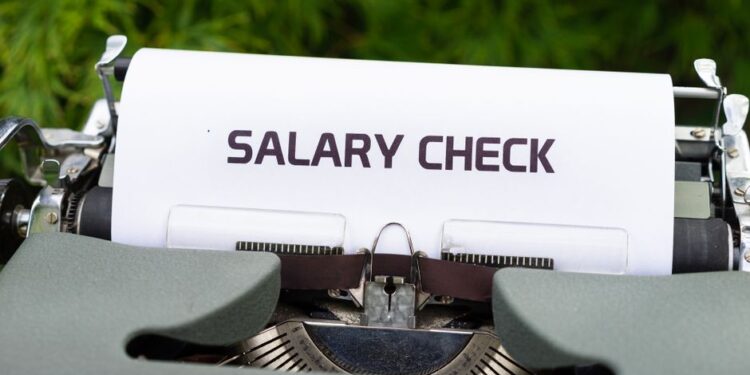
India's 8th Pay Commission is poised to significantly reshape the salary and pension framework for government employees and retirees, with far-reaching economic implications.

India’s 8th Pay Commission is reviewing salaries, pensions, and allowances for central government employees and pensioners. It was established on November 3, 2025, and must submit its final report within 18 months. Recent consultations have raised important questions about the fitment factor, minimum basic pay, and pension revisions. According to a report by Mint, the Commission’s recommendations are highly anticipated. They will directly impact the financial well-being of millions of government employees and retirees across the nation.
The Commission’s meetings are scheduled across the country. Recent sessions took place in Puducherry and Chandigarh. Employees are eager for clarity on how these changes will affect their financial futures. Upcoming consultations in Bengaluru and Mumbai will further shape the Commission’s recommendations. The urgency of these discussions is clear. The outcomes will affect current employees and future generations of government workers.
Understanding Salary Adjustments from the 8th Pay Commission
The fitment factor is key in determining salary adjustments for government employees. The 7th Pay Commission used a fitment factor of 2.57, which greatly impacted salary structures. Unions are pushing for a much higher fitment factor for the 8th Pay Commission, with proposals suggesting values as high as 4. This could raise the minimum basic pay from ₹18,000 to potentially ₹54,000, depending on the approved factor. As reported by MSN, discussions about the fitment factor are crucial. They will determine the financial future for employees.
Career Ahead’s analysis shows that if the Commission adopts a fitment factor of 3.5 or higher, it would enhance salaries and influence the economy. For example, higher salaries could lead to increased consumer spending, boosting local economies. The Commission’s decision on the fitment factor is expected by the end of 2026. This is a crucial point for government employees to monitor. Moreover, these salary adjustments may lead to changes in tax brackets and savings plans as salaries rise. Understanding these dynamics can help government employees manage their finances better.
As the Commission continues its consultations, employees should stay informed about developments. The final recommendations will significantly shape their financial futures. It is essential to engage in ongoing discussions. A substantial increase in salaries could also lead to a re-evaluation of existing benefits and allowances, which are often linked to base salaries. This could have a ripple effect across various sectors, impacting not just government employees but also private sector wages and benefits.
As the Commission continues its consultations, employees should stay informed about developments.
Changes in Pension Structure and Implications for Retirees
You may also like
 Government & Policy
OpenAI Advocates US Leadership
OpenAI has urged the United States to spearhead the establishment of global AI standards, emphasizing the need for cohesive regulations to manage risks associated with…
Read More →The 8th Pay Commission will also address pension reforms, which are crucial for retired government employees. Currently, pensions are based on the last drawn salary, which will change with the new salary structures proposed by the Commission. The treatment of existing pensioners remains uncertain, depending on the final recommendations. Career Ahead research indicates that if the Commission recommends a higher fitment factor, existing pensioners could see significant increases in their pensions. This is especially important for those who retired before the 8th Pay Commission, as their pensions may be revised to match the new salary structures.
Additionally, the potential merger of dearness allowance (DA) with basic pay is another significant change. If implemented, this could simplify pension calculations and provide a more stable income for pensioners. However, there is no confirmed decision on this merger, leaving many pensioners uncertain. The implications are profound; a revised pension structure could greatly enhance the quality of life for retirees, many of whom rely heavily on their pensions. As highlighted in the Mint report, understanding these changes is crucial for retirees, who will need to adjust their financial plans accordingly.
In light of these developments, pensioners must remain engaged with the Commission’s work. The outcomes could significantly impact their financial well-being and quality of life in retirement. As the Commission progresses, upcoming meetings in Bengaluru and Mumbai will likely reveal more details on salary and pension adjustments. Stakeholders should actively participate in these discussions to voice their concerns and suggestions. The anticipation surrounding these consultations reflects the high stakes involved, as the decisions made will affect countless individuals.

Overall, the 8th Pay Commission’s recommendations will be pivotal in shaping the future of government salaries and pensions in India. The decisions will impact current employees and set the stage for future generations of government workers. The economic implications of these changes are significant, influencing consumer behavior, savings rates, and overall economic growth in the country.
As the 8th Pay Commission continues its work, several key dates are crucial for government employees and pensioners.
As the 8th Pay Commission continues its work, several key dates are crucial for government employees and pensioners. The next consultations are scheduled for October 7-8 in Bengaluru and October 22-23 in Mumbai. These meetings will be vital for gathering feedback and shaping the Commission’s final report. Career Ahead’s analysis suggests that recommendations from these meetings will likely influence the final fitment factor and pension structure. Employees should prepare for potential changes in their financial landscape as the Commission approaches its deadline in May 2027.
You may also like
 Government & Policy
Keynesian Themes Resonate in Graham’s New Play
As the country prepares for a new budget under Chancellor John Healey, themes of state intervention and economic responsibility resonate strongly.
Read More →Moreover, discussions about merging DA with basic pay and implications for minimum basic pay are expected to be hot topics during these consultations. The outcomes will determine how salaries and pensions are structured moving forward. With the Commission’s mandate ending soon, there is urgency among employees and pensioners to ensure their voices are heard. Engaging with the Commission’s work will be essential for shaping outcomes that meet their needs and expectations.
As the final report approaches, anticipation among government employees and pensioners is high. The decisions made will have lasting effects on their financial futures. It is imperative to stay informed and involved in the ongoing discussions.
Frequently Asked Questions
What will be the new salary structure for government employees after the 8th Pay Commission?
The new salary structure will depend on the fitment factor recommended by the 8th Pay Commission. If a higher factor is approved, salaries could increase significantly, with a potential minimum basic pay rising to ₹54,000.
The new salary structure will depend on the fitment factor recommended by the 8th Pay Commission.
How will the 8th Pay Commission affect my pension as a retired government employee?
Pension calculations will be influenced by the new salary structures. Existing pensioners may see their pensions revised based on the final recommendations of the Commission.

What is the fitment factor and how does it impact my salary?
The fitment factor is a multiplier used to adjust salaries. A higher fitment factor means a more significant increase in salaries and can impact overall financial planning for government employees.
You may also like
 Government & Policy
Towards recognising women farmers
Maharashtra's Women Farmers’ Empowerment Bill, passed in July 2026, marks a significant shift in recognizing women as farmers regardless of land ownership. This legislation aims…
Read More →