No products in the cart.

Biodegradable Packaging Reshapes Supply‑Chain Sustainability in the Post‑Plastic Era
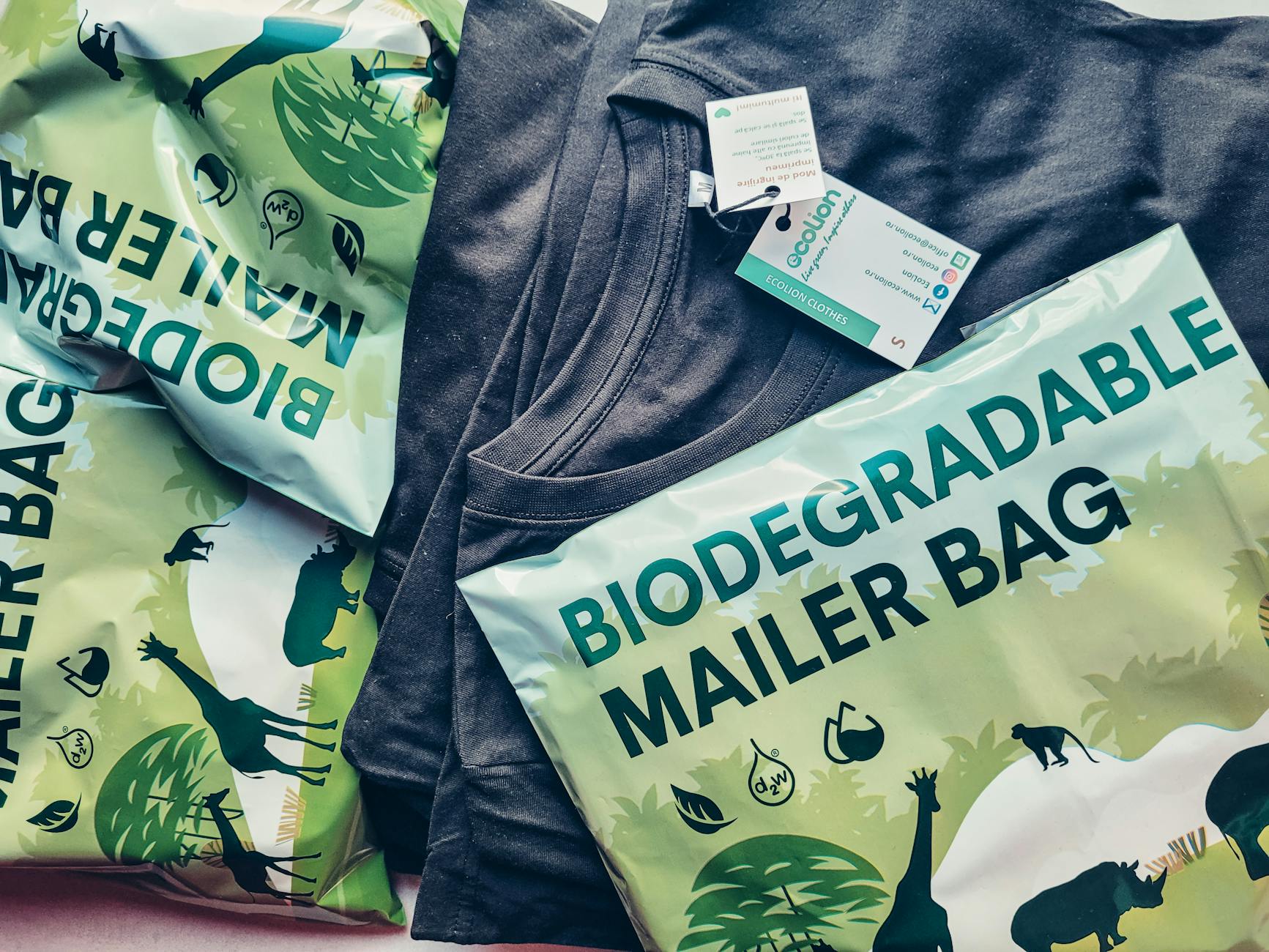
Biodegradable packaging is catalyzing a systemic reallocation of capital and talent, as regulatory pressure and carbon pricing make bio‑materials financially superior to traditional plastics.

Dek: The surge in plant‑based and bio‑derived packaging is forcing manufacturers, logistics firms, and retailers to redesign core processes. Quantitative shifts in material cost, regulatory exposure, and talent pipelines signal a systemic reallocation of career capital across the value chain.
Opening: Macro Context
The global packaging market, valued at $1.05 trillion in 2025, is projected to reach $1.28 trillion by 2030, with biodegradable solutions accounting for 12 % of that growth—a pace three times faster than conventional plastics [1]. The catalyst is a confluence of regulatory mandates (the European Union’s Single‑Use Plastics Directive now covering 100 % of single‑use packaging by 2027), corporate net‑zero pledges (over 80 % of Fortune 500 firms have set 2030 targets for packaging emissions), and consumer willingness to pay a premium of 5‑8 % for eco‑friendly containers [2].
These forces mark a structural transition from a linear “take‑make‑dispose” model to a circular supply‑chain architecture. In the post‑plastic era, packaging is no longer a peripheral cost line item; it is a strategic lever that determines access to capital, regulatory risk, and talent attraction. Companies that embed biodegradable materials into their core logistics are redefining the economic calculus of sustainability, shifting career capital toward expertise in bio‑material engineering, circular design, and green logistics.
Core Mechanism: Material Innovation and Economic Incentives
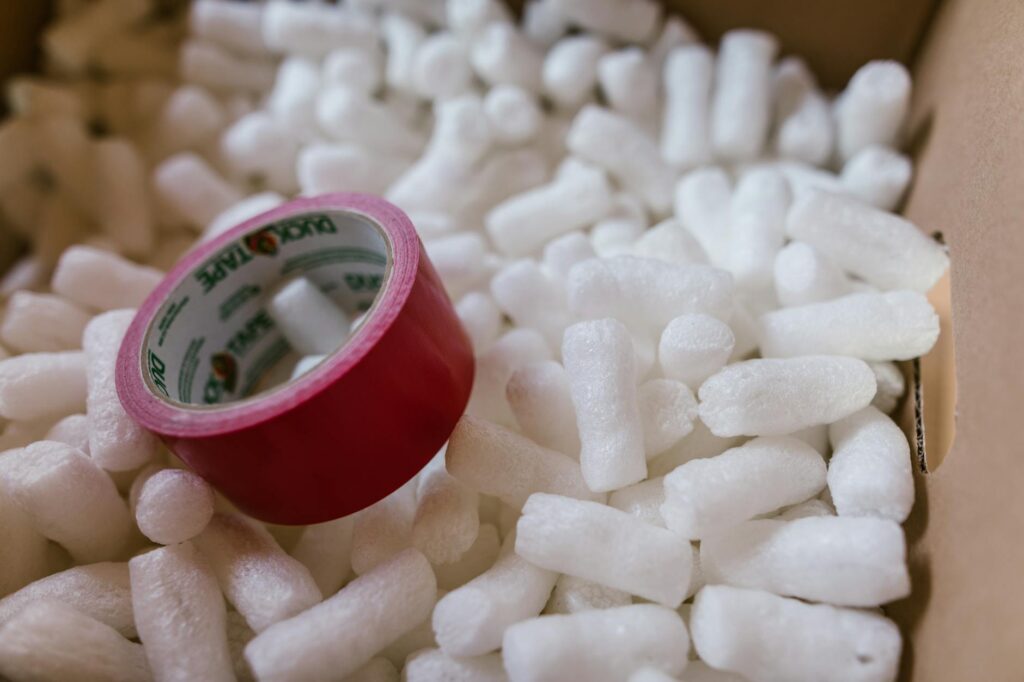
Quantifiable Environmental Gains
Life‑cycle assessments (LCAs) of polylactic acid (PLA) and polyhydroxyalkanoates (PHA) reveal average greenhouse‑gas reductions of 45 % and 60 % respectively compared with virgin polyethylene terephthalate (PET) [1]. When scaled to the food‑service sector—responsible for 30 % of global single‑use packaging—these reductions translate into an estimated annual CO₂e avoidance of 28 million metric tons, equivalent to removing 6 million passenger‑vehicles from the road.
Cost Trajectories
The price premium for biodegradable films has narrowed from 30 % above petro‑based equivalents in 2018 to 8 % in 2025, driven by economies of scale in corn‑starch fermentation and the entry of low‑cost seaweed‑derived polymers from companies such as Notpla [2]. Moreover, the internal rate of return (IRR) for retrofitting a mid‑size bottling line to handle PLA has risen to 14 % under current carbon‑pricing regimes (USD $75 / tCO₂e in the EU ETS), surpassing the hurdle rate for many capital‑intensive projects.
You may also like
 Artificial Intelligence
Tel Aviv University and Google Israel Launch $1 Million AI Research Program
Tel Aviv University and Google Israel have launched a $1 million AI research program aimed at advancing foundational AI research and supporting educational initiatives.
Read More →Institutional Drivers Regulatory frameworks now embed material compliance into supply‑chain contracts.
Institutional Drivers
Regulatory frameworks now embed material compliance into supply‑chain contracts. The U.S. Federal Trade Commission’s “Green Claims” rule, slated for enforcement in 2027, will require verifiable biodegradability certifications for any packaging labeled “compostable,” compelling firms to adopt third‑party standards such as ASTM D6400. Simultaneously, institutional investors—exemplified by the Climate Action 100+ coalition—have increased ESG‑linked loan covenants that tie borrowing costs to the proportion of biodegradable packaging in a firm’s product mix.
These mechanisms create a feedback loop: lower material costs improve financial metrics, which in turn unlock capital for further R&D, reinforcing the shift toward bio‑derived packaging.
Systemic Ripple Effects: Redesigning the Value Chain
Manufacturing Reconfiguration
Adoption of biodegradable polymers necessitates new extrusion and injection‑molding equipment capable of processing lower melt‑flow indices. Between 2022 and 2025, capital expenditures on bio‑compatible machinery rose 22 % across the top 50 packaging OEMs, with a notable concentration in the Asia‑Pacific region where feedstock availability is highest. Firms such as Amcor have announced a $1.2 billion “Circular Packaging” program that includes a 150‑site conversion to PLA‑compatible lines, illustrating a systemic reallocation of engineering talent toward polymer science and process optimization.
Logistics and Distribution
Biodegradable films exhibit higher moisture permeability, prompting revisions to cold‑chain packaging specifications. Major retailers—including Walmart and Carrefour—have piloted “dry‑zone” logistics hubs that integrate humidity‑controlled pallets to preserve product integrity while using compostable trays. These hubs have reduced spoilage rates by 3.2 % and lowered reverse‑logistics costs by $12 million annually, evidencing a structural shift in distribution network design.
Waste‑Management Integration
You may also like
 Business Insights
Next-Generation Nuclear Power: Key Questions Answered
Explore the vital questions surrounding next-generation nuclear power and its implications for energy safety, costs, and sustainability.
Read More →Municipal composting capacity has expanded by 18 % annually in the EU since 2020, yet a mismatch persists between biodegradable packaging flow and collection infrastructure. To close this gap, several multinational CPG firms have entered joint ventures with waste‑service providers, establishing “closed‑loop” facilities that convert used bio‑packaging into industrial compost for agricultural use. This partnership model redistributes labor from landfill management to bio‑resource recovery, altering the career trajectory for waste‑management professionals toward agronomy and circular economy analytics.
Human Capital Realignment
The demand for expertise in polymer chemistry, supply‑chain carbon accounting, and circular product design has surged. LinkedIn’s 2025 “Emerging Jobs Report” lists “Biodegradable Materials Engineer” and “Circular Logistics Analyst” among the top 10 fastest‑growing roles, with average salary growth of 12 % year‑over‑year. Universities are responding with new curricula: MIT’s “Sustainable Materials Engineering” program saw enrollment increase 45 % between 2022 and 2025, channeling a new pipeline of talent directly into firms transitioning to bio‑packaging.
This partnership model redistributes labor from landfill management to bio‑resource recovery, altering the career trajectory for waste‑management professionals toward agronomy and circular economy analytics.
Human Capital Impact: Winners, Losers, and Transitional Zones
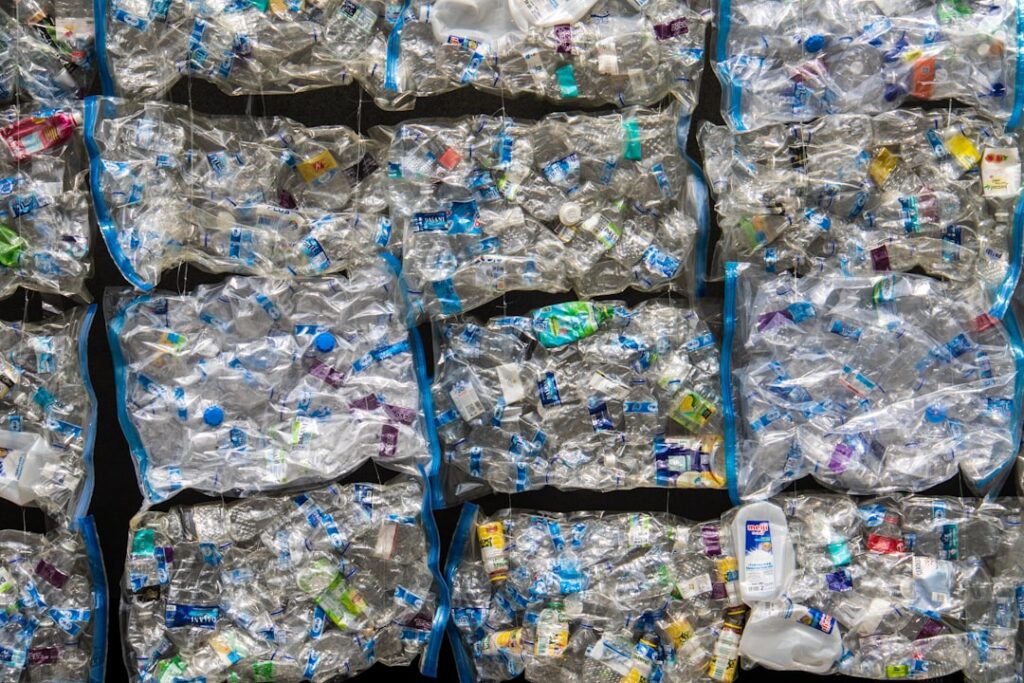
Winners
- Material Scientists and Process Engineers: Companies that have internalized bio‑material R&D—e.g., Danone’s “Ecovative” unit—offer accelerated career ladders, with cross‑functional exposure to sourcing, production, and ESG reporting.
- Supply‑Chain Strategists: Professionals who can model carbon‑footprint implications of packaging alternatives are commanding premium compensation, reflecting the strategic weight of sustainability metrics in capital allocation decisions.
Losers
- Traditional Plastics Production Workforce: Workers in petro‑chemical complexes face declining demand, with the International Labour Organization estimating a net loss of 180,000 jobs in the sector by 2030 unless reskilling programs are deployed.
- Legacy Logistics Operators: Firms that rely on standard, non‑temperature‑controlled distribution networks risk obsolescence as biodegradable packaging imposes stricter environmental controls.
Transitional Zones
- Mid‑Tier Suppliers: Companies that act as intermediaries—providing secondary packaging or pallet solutions—must either invest in biodegradable‑compatible designs or risk exclusion from major retailer contracts. The “green tier” certification introduced by the Global Logistics Association in 2024 creates a measurable pathway for these firms to retain market share.
Five‑Year Outlook: Institutional Trajectories and Career Capital
By 2031, biodegradable packaging is projected to capture 25 % of total packaging volume in the consumer goods sector, driven by three reinforcing dynamics:
- Policy Convergence: A coordinated regulatory front—EU, Canada, and several U.S. states—will impose uniform biodegradability standards, reducing compliance uncertainty and encouraging multinational adoption.
- Carbon‑Pricing Amplification: Expected escalation of carbon prices to $120 / tCO₂e in the EU and $80 / tCO₂e in California will render fossil‑based plastics financially untenable for large‑scale producers, accelerating capital reallocation toward bio‑material lines.
- Talent Migration: The “sustainability talent premium” will cement biodegradable engineering as a core competency, with 38 % of Fortune 500 supply‑chain leadership positions requiring demonstrable experience in circular packaging by 2029.
These trends will rewire the institutional power structure of the packaging ecosystem. Companies that successfully integrate biodegradable materials into their end‑to‑end value chain will command superior ESG ratings, lower cost of capital, and enhanced brand equity—translating into a durable competitive advantage. Conversely, firms that lag will confront higher financing costs, regulatory penalties, and talent attrition, reinforcing a systemic bifurcation of career capital across the industry.
Key Structural Insights
- The convergence of carbon pricing and unified biodegradability standards creates a financial asymmetry that reallocates capital toward bio‑packaging, reshaping corporate investment hierarchies.
- Manufacturing and logistics networks are undergoing a systemic redesign to accommodate material permeability and composting timelines, prompting a migration of engineering talent toward circular process expertise.
- Over the next five years, career capital will increasingly concentrate in roles that blend polymer science with supply‑chain carbon analytics, establishing a new talent epicenter at the intersection of sustainability and operations.