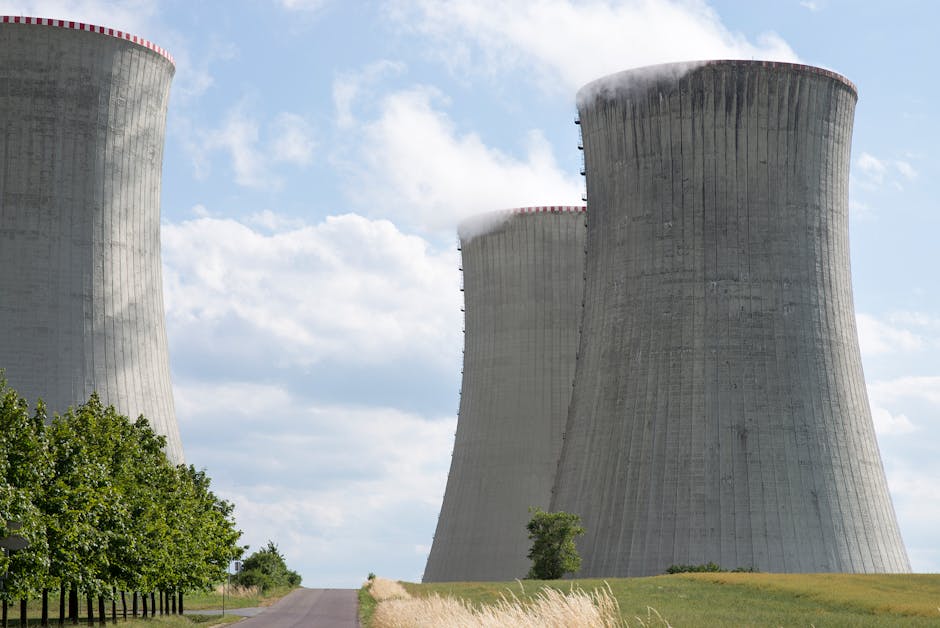
Boston, USA — nuclear power is back in the spotlight as next-generation technologies promise to reshape the energy landscape. With the growing urgency to address climate change, advanced nuclear power could play a crucial role in providing reliable and clean energy. Recent discussions have highlighted key questions around the safety, cost, and fuel supply of these new reactors, making it essential for professionals in the energy sector to understand their implications.
The conversations around next-generation nuclear power are not just theoretical; they are grounded in pressing realities. For instance, many next-generation reactors are designed to use high-assay low-enriched uranium (HALEU), a significant shift from traditional low-enriched uranium. This change raises questions about the geopolitical landscape surrounding nuclear fuel production, particularly given that Russia currently dominates HALEU production. With the U.S. banning Russian nuclear fuel imports through 2040, companies are now scrambling to establish independent supply chains to secure the necessary materials for these advanced reactors.
Moreover, the safety of these new technologies is a hot topic. Next-generation reactors often incorporate passive safety mechanisms, which could potentially reduce the risk of meltdowns. However, concerns persist regarding regulatory oversight. A recent investigation revealed that previous administrations had loosened nuclear safety regulations, prompting experts to call for stricter governance to maintain the safety record of nuclear energy.
Why Next-Gen Nuclear Power Matters Now
As the world grapples with climate change, the urgency for sustainable energy solutions has never been greater. Next-generation nuclear power offers a reliable alternative to fossil fuels and can provide stable electricity for decades. For instance, the latest additions to the U.S. nuclear fleet, such as Units 3 and 4 at Plant Vogtle in Georgia, highlight the potential of these technologies. However, the capital costs associated with building new nuclear plants remain a concern, with estimates ranging from $6,000 to $10,000 per kilowatt for advanced reactors, compared to significantly lower costs for natural gas plants.
Understanding the economic implications of nuclear power is essential for professionals in the energy sector.
Understanding the economic implications of nuclear power is essential for professionals in the energy sector. While nuclear plants may have high initial costs, their operational efficiency can lead to lower long-term expenses. The U.S. Department of Energy reports that running a nuclear plant is relatively inexpensive, which is why there is a renewed interest in extending the lifetimes of existing facilities and reopening those that have been closed.
In terms of job creation, the shift towards advanced nuclear technology could spur new opportunities. As companies invest in developing independent HALEU supply chains and building next-generation reactors, there will be a demand for skilled workers in various fields, including engineering, safety management, and regulatory compliance.

Preparing for a New Era in Energy Production
For professionals looking to position themselves in the evolving energy landscape, there are several actionable steps to consider:
- Enhance Your Skills: Focus on acquiring skills relevant to nuclear technology, such as safety protocols, regulatory knowledge, and engineering principles. Online courses and certifications can help you gain a competitive edge.
- Stay Informed: Follow developments in nuclear energy and related policies. Subscribe to industry newsletters and attend conferences to network with experts and stay updated on trends.
- Engage with Advocacy Groups: Join organizations that promote nuclear energy and its benefits. Engaging with these groups can provide insights and opportunities to influence policy discussions.
However, experts warn that the current enthusiasm for next-generation nuclear power may not be sustainable without robust regulatory frameworks. A recent report from the Nuclear Regulatory Commission highlighted the need for a balanced approach that ensures safety without stifling innovation. As Koroush Shirvan, an MIT professor of nuclear engineering, pointed out, the success of nuclear power relies on stringent oversight to maintain its low injury and death rates.
As companies invest in developing independent HALEU supply chains and building next-generation reactors, there will be a demand for skilled workers in various fields, including engineering, safety management, and regulatory compliance.
The Future of Nuclear Energy in a Changing Landscape
The trajectory of next-generation nuclear power will largely depend on how effectively the industry addresses safety, cost, and regulatory challenges. As countries worldwide seek to reduce carbon emissions, nuclear energy’s role could expand significantly. With advancements in technology, the potential for nuclear power to contribute to a sustainable energy future is promising.

As we look ahead, the question remains: Will the nuclear industry successfully navigate these challenges and emerge as a cornerstone of the global energy transition?
Written by Career Ahead AI. AI can make mistakes, so verify key facts. Report errors to support@careeraheadonline.com.