No products in the cart.

Congress Examines China’s Influence in U.S. Universities

The Senate scrutinizes foreign influence in American universities, focusing on China's role in espionage and funding, amid calls for stricter transparency measures.

“`html
The Senate’s Alarm: Examining Foreign Influence
On March 13, the Senate Health, education, Labor, and Pensions Committee held a critical hearing focused on foreign influence in U.S. universities, particularly from China. Lawmakers expressed concerns about how academic openness could also allow for espionage.
From Open Campus to Vulnerability
Committee chairman Sen. Bill Cassidy emphasized that American universities are vital strategic assets. He highlighted breakthroughs in cancer research, AI, and military technology but warned that these same environments could be exploited by foreign actors seeking sensitive information. This concern is based on documented instances where Chinese entities have used joint projects and student exchanges to access proprietary data and advanced equipment.
Testimony on “Malign Influence”
Experts from intelligence, university administrations, and think tanks shared Cassidy’s concerns. Craig Singleton, a senior fellow at the Foundation for Defense of Democracies, noted a troubling trend where Chinese research institutes infiltrate U.S. labs under the guise of collaboration. He warned that without proper safeguards, the exchange of ideas could lead to intellectual property theft that benefits Beijing. The hearing’s use of the term “malign” indicated a shift from passive concern to active scrutiny.
The Financial Impact: Billions in Foreign Funding
Beyond influence, there is a significant financial aspect. Cassidy mentioned that U.S. universities reported $9.7 billion in foreign gifts and contracts last year. He stressed that this figure only reflects what institutions have disclosed voluntarily, highlighting a lack of accountability and transparency.
Understanding the $9.7 Billion
This $9.7 billion includes research grants, equipment donations, and contracts from foreign governments and corporations. A large grant from a Chinese agency can support multiple labs and equipment purchases. However, the paperwork often lacks detail, making it hard to track how the funds are used. Policymakers fear some of this money may fund dual-use projects that could have military applications.
However, the paperwork often lacks detail, making it hard to track how the funds are used.
Addressing Transparency Gaps
You may also like
 Career Development
Microcredentials vs. Degrees: Navigating the New Education Landscape
As the job market evolves, microcredentials are gaining traction. But do they hold more value than traditional degrees? Dive in to discover the facts.
Read More →In response, Cassidy called for stricter reporting requirements. He proposed a “follow the money” approach that would require universities to disclose the sources of foreign gifts and the specific research they support. Critics worry this could hinder legitimate collaboration, while supporters argue that national security justifies such measures.
Intellectual Property and National Security
The Senate’s main concern centers on intellectual property (IP) and its importance for national security. In a world where breakthroughs in quantum computing or gene editing can shift global power, protecting IP is crucial. The hearing revealed how mechanisms that promote scientific progress, like open data sharing and joint publications, can also weaken U.S. control over sensitive discoveries.
Technology Transfer and Patents
Singleton highlighted a trend of “soft” technology transfer, where Chinese researchers co-author papers that inform patent filings in China. While co-authorship is common in collaborative science, the subsequent patent filings raise concerns. The Senate noted an increase in patents citing U.S. university research by Chinese collaborators, suggesting a flow of American innovation into Chinese markets.
Balancing Academic Freedom and Security
This issue is not just procedural; it challenges the principles of higher education. Universities have long supported the free exchange of ideas, yet the hearing showed that unrestricted openness can be exploited. Lawmakers suggested a tiered review system: low-risk projects would proceed with standard disclosures, while high-risk ones would require security assessments before accepting foreign funding.
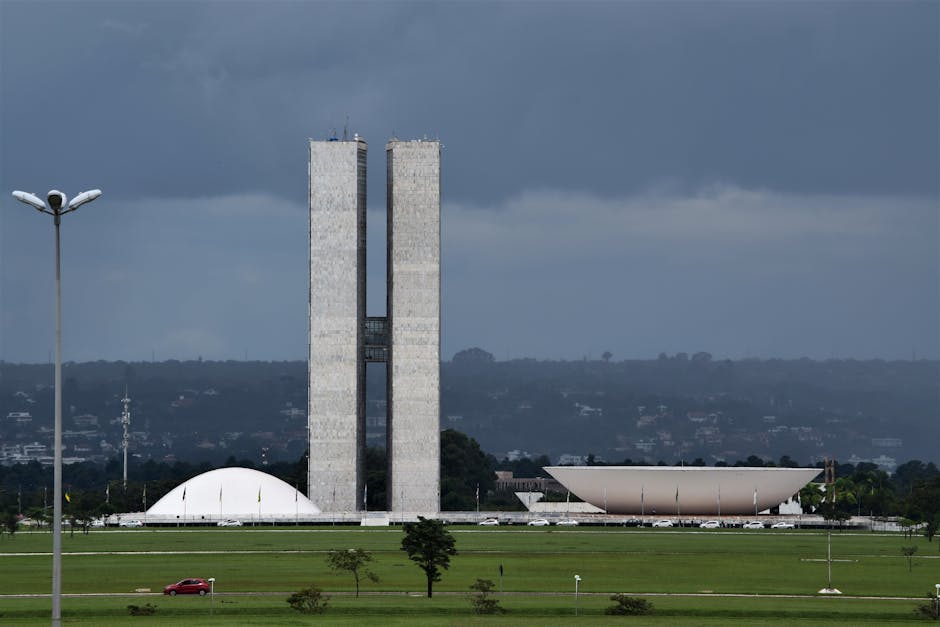
Balancing Academic Freedom and Security This issue is not just procedural; it challenges the principles of higher education.
Critics warn that such a system could hinder international collaboration and allow other nations to take the lead in science. Proponents argue that a careful approach based on risk assessment can maintain collaboration while ensuring security.
The Ripple Effects: Congressional Scrutiny and Academic Freedom
The Senate hearing has prompted universities to reassess their foreign-gift policies, with some increasing scrutiny of Chinese partnerships. Faculty groups caution against a “Cold War” mentality that views all Chinese scholars as threats, emphasizing the benefits of joint research, such as the rapid development of COVID-19 vaccines, which could be jeopardized by suspicion.
You may also like
 Global Careers
Visa Reforms Reshape the Global Talent Pipeline
Digitized visa systems are converting sovereign gate‑keeping into a data‑driven network, compressing processing times and amplifying the strategic advantage of employers that embed these flows…
Read More →This hearing also reflects broader geopolitical tensions between the U.S. and China over trade, technology, and conflicts in the Middle East and Ukraine. These tensions heighten the urgency of the Senate’s inquiry, framing university interactions as part of a larger strategic competition.
Strategic Perspective: The Long-Term View
The hearing signals Congress’s intent to reshape foreign engagement in American research. Upcoming legislation may tighten reporting, expand the authority of the Committee on Foreign Investment in the United States (CFIUS) to include academic collaborations, and create an oversight office within the Department of Education.

For universities, the challenge will be to navigate stricter regulations while maintaining collaborative networks that drive innovation. They must create transparent, risk-based frameworks that address security concerns without hindering talent and investment.
They must create transparent, risk-based frameworks that address security concerns without hindering talent and investment.
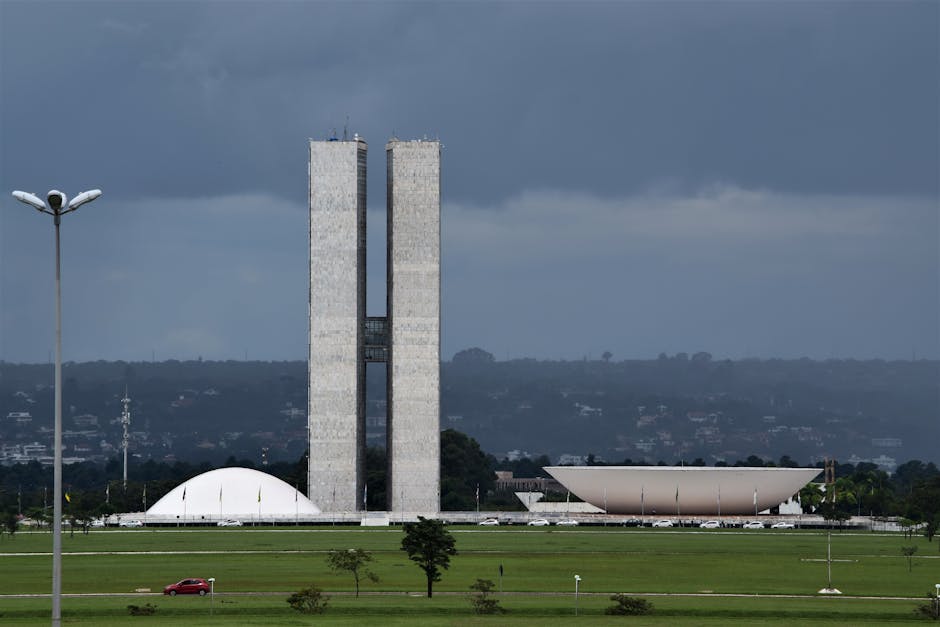
Ultimately, the Senate’s alarm is not about closing doors but ensuring they open with transparency. As the U.S. seeks to maintain its leadership in science and technology, tracking funding and protecting intellectual property will be as crucial to national security as military assets.
You may also like
 Business
Energy‑Efficiency Retrofits Redefine Office‑Building Valuations
Energy‑efficiency retrofits are reshaping office‑building valuations by converting operating‑cost savings into measurable resale premiums, a shift that aligns capital markets, tenant demand, and policy incentives…
Read More →“`