No products in the cart.

Dark Stores Redefine Retail Footprints and Urban Form
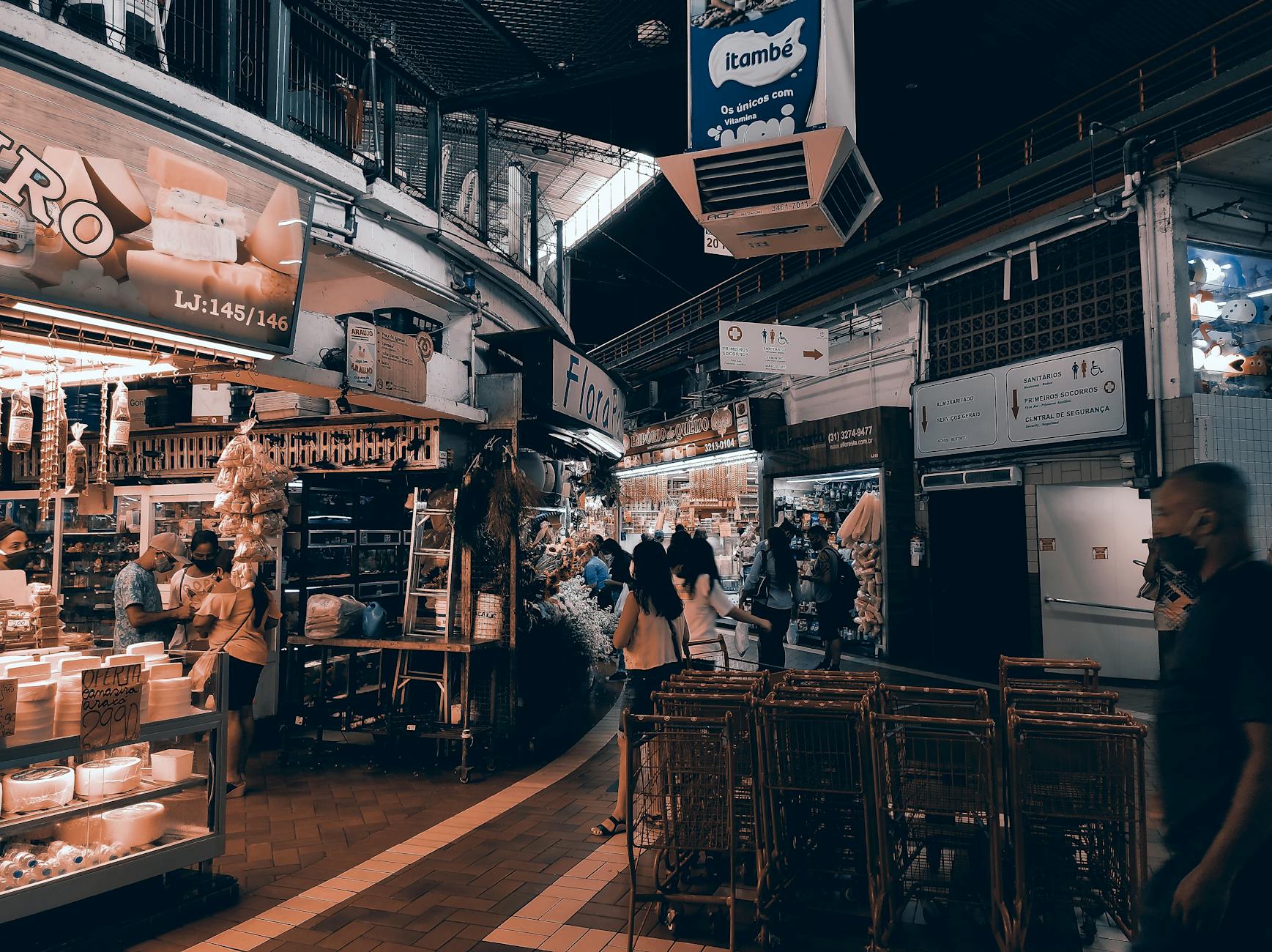
Dark stores are converting city centre real estate into data‑driven fulfillment hubs, reshaping labor markets, zoning policies, and the balance of power among retailers, investors, and municipalities.

The surge in quick‑commerce (q‑commerce) is prompting retailers to replace street‑level shelves with algorithm‑driven fulfillment hubs, reshaping career pathways, municipal zoning, and the balance of institutional power across the supply‑chain ecosystem.
The Macro Shift Toward Dark Stores
E‑commerce growth has plateaued in many mature markets, but the velocity of delivery has not. Global q‑commerce revenue is projected to rise from $124 billion in 2023 to $284 billion by 2028, a compound annual growth rate (CAGR) of 19 % [1]. The primary lever behind this trajectory is the dark store: a purpose‑built, consumer‑invisible warehouse that can dispatch a typical grocery order within 15–30 minutes.
In India, where the model first achieved scale, dark‑store counts grew from fewer than 200 in 2019 to an estimated 3,800 by the end of 2025, representing a 1,800 % increase in five years [2]. In the United States, the number of “micro‑fulfillment centers” (the domestic term for dark stores) surpassed 1,200 in 2024, up from 350 in 2020, according to a CBRE logistics survey.
The macro significance extends beyond retail profit margins. Municipal budgets now depend on the tax base generated by these facilities, while labor markets see a reallocation of career capital from traditional sales roles to data‑centric logistics functions. The institutional power that once rested with mall owners and department‑store CEOs is shifting toward technology‑enabled supply‑chain executives and city planners who control zoning approvals.
Mechanics of Dark‑Store Networks
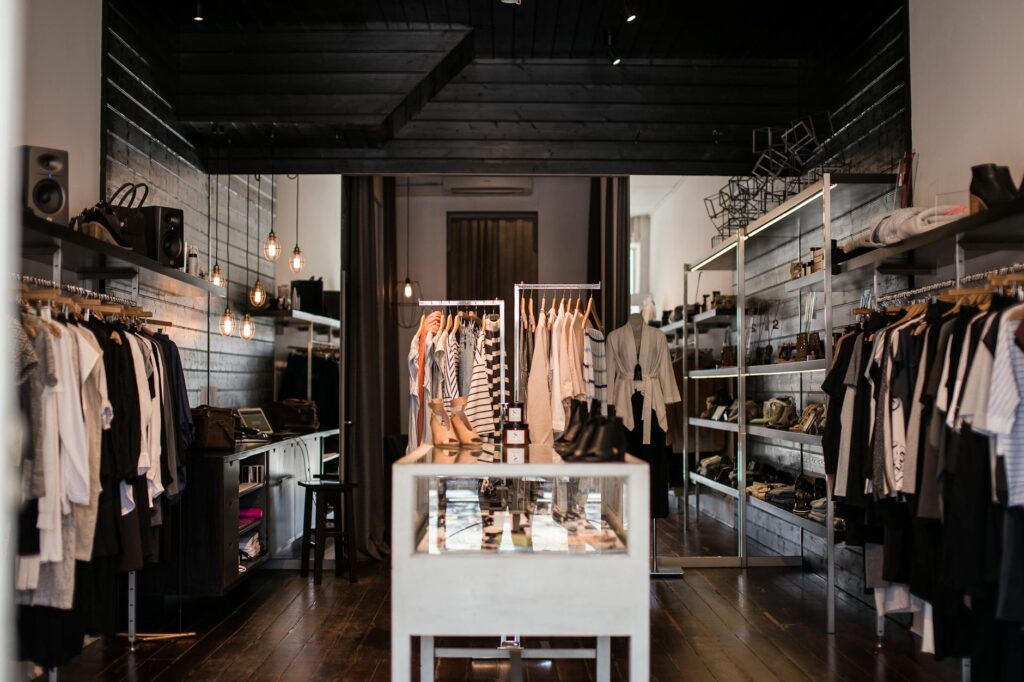
At the core, a dark store operates as a node in a data‑driven network. Real‑time demand signals—derived from app clicks, weather forecasts, and localized traffic patterns—feed an AI‑optimised inventory model. The model prescribes a “SKU mix” that maximises the probability of fulfilling a same‑day order while minimising deadstock. In practice, this translates to an average inventory turnover of 12 times per month, compared with 4 times for conventional supermarkets [3].
Technology investment is asymmetric: a typical 2,500 sq ft dark store requires a $3.5 million capital outlay, of which 45 % is allocated to robotics, automated picking systems, and edge‑computing servers. The remaining budget covers lease premiums in high‑density urban zones—often 30 % higher than comparable industrial space in peripheral districts.
When scaled across a network of 100 stores, this yields a labor cost reduction of roughly $12 million annually for a mid‑size retailer.
You may also like
 Artificial Intelligence
Biotech Startup Coefficient Bio Joins Anthropic for $400 Million
Anthropic's acquisition of Coefficient Bio for $400 million signifies a strategic entry into the biotech sector, highlighting the integration of AI in healthcare.
Read More →Operational efficiencies emerge from the “pick‑to‑light” system, which reduces order‑picking error rates from 2.5 % to 0.3 % and cuts average labor hours per order from 6 minutes to 2 minutes. When scaled across a network of 100 stores, this yields a labor cost reduction of roughly $12 million annually for a mid‑size retailer.
The model also creates a feedback loop: faster fulfillment improves customer lifetime value (CLV) by 18 % on average, justifying higher acquisition spend. Consequently, firms that integrate dark stores into their omnichannel strategy report a 7‑point uplift in net promoter score (NPS) versus peers relying solely on traditional distribution centers [4].
Systemic Ripple Effects on Urban Fabric and Retail Institutions
Real Estate Reallocation
The spatial footprint of dark stores forces a reclassification of urban land use. In European cities such as Berlin and Milan, municipalities have introduced “logistics‑first” zoning overlays that permit up to 70 % of a block’s floor‑area ratio (FAR) for micro‑fulfillment, provided the facility meets a minimum 30 % green‑roof threshold. This policy shift has driven a 22 % increase in industrial lease rates within 5 km of city centers between 2022 and 2025 [5].
Developers, recognizing the asymmetric demand, are repurposing under‑performing retail strip malls into “last‑mile hubs.” The conversion rate in the United Kingdom rose from 5 % in 2021 to 27 % in 2024, a structural pivot that reduces vacant storefront inventory and reshapes the retail‑real‑estate value chain.
institutional power Dynamics
Traditional retail landlords—once the gatekeepers of consumer traffic—now find their leverage contingent on the ability to provide “last‑mile ready” infrastructure. In response, large property firms such as Prologis and Blackstone have launched dedicated dark‑store platforms, effectively internalising the logistics function that previously belonged to third‑party carriers. This vertical integration consolidates bargaining power, compresses margins for independent grocers, and redefines the competitive hierarchy of the sector.
City governments, meanwhile, are grappling with externalities. Increased delivery traffic contributes to a 3.2 % rise in urban congestion indices in districts with a density of more than 15 dark stores per square kilometre [6]. In response, several Asian megacities have instituted “delivery‑time windows” and incentivised electric‑vehicle fleets, embedding the dark‑store model within broader sustainability agendas.
However, the occupational shift also displaces a comparable number of sales associates in brick‑and‑mortar outlets, intensifying the need for reskilling programs.
Labor Market Reconfiguration
The dark‑store ecosystem generates approximately 1.2 million jobs globally, with a pronounced skew toward logistics, data analytics, and software engineering. In India, the sector is projected to create 400,000 “gig‑economy” delivery positions by 2027, representing a 15 % increase in formal employment for urban youth aged 18‑29 [2]. However, the occupational shift also displaces a comparable number of sales associates in brick‑and‑mortar outlets, intensifying the need for reskilling programs.
You may also like
 Business Innovation
Youth Culture as a Catalyst for Market Innovation
Discover how Gen Z's values are transforming brands worldwide, driving innovation and sustainability in today's market.
Read More →Retail chains that have instituted internal “career‑capital pipelines”—structured pathways from entry‑level pickers to supply‑chain analysts—report a 28 % higher employee retention rate than firms that rely on external staffing agencies. This suggests that institutional leadership in human‑resource design can mitigate the asymmetric labor displacement inherent in the dark‑store rollout.
Human Capital Reallocation and Career Trajectories

The rise of dark stores is redefining the skill set that underpins retail leadership. Decision‑makers now require fluency in algorithmic inventory management, predictive analytics, and urban logistics planning. Consequently, MBA curricula at institutions such as INSEAD and the University of Chicago Booth have introduced “Last‑Mile Strategy” modules, reflecting a systemic re‑orientation of career capital toward data‑centric operational expertise.
From a mobility perspective, the proliferation of micro‑fulfillment hubs in low‑income neighbourhoods creates a conduit for upward economic movement. Workers who begin as order pickers can, through employer‑sponsored certification, transition into roles such as “Fulfillment Optimization Analyst,” a position commanding salaries 45 % above entry‑level logistics wages in 2025.
Conversely, the consolidation of dark‑store networks under a handful of technology‑driven conglomerates raises concerns about monopsony power. In the United States, the top three dark‑store operators control 62 % of urban micro‑fulfillment capacity, granting them leverage to set wage floors and contract terms that could suppress broader sectoral wage growth. Labor unions are therefore lobbying for “fair‑work” provisions that decouple compensation from algorithmic performance metrics.
Investors have responded to the career‑capital narrative by allocating capital to “skill‑up” platforms. Venture capital funding for logistics‑training startups reached $210 million in 2024, a 3.5‑fold increase from 2020, underscoring the perceived asymmetry between talent supply and demand in the dark‑store economy.
Investors have responded to the career‑capital narrative by allocating capital to “skill‑up” platforms.
Outlook: Structural Trajectory Through 2030
If current adoption rates persist, the global dark‑store footprint will exceed 12 million sq ft by 2030, representing roughly 9 % of total urban commercial floor space. This expansion will cement dark stores as a permanent structural layer of city logistics, comparable to the post‑World‑War II rise of suburban distribution centres.
You may also like
 Career Advice
Navigating the AI Frontier: Is the Entry-Level Job Market Transforming, Not Disappearing?
The rapid ascent of Artificial Intelligence (AI) has ignited a global conversation about the future of work. For those embarking on their professional journeys, understanding…
Read More →Three forces will shape the next five years:
- Regulatory Calibration – Municipalities will refine zoning and congestion‑mitigation policies, potentially capping dark‑store density in high‑traffic corridors while rewarding green‑energy delivery solutions.
- Technological Convergence – The integration of autonomous mobile robots (AMRs) and edge‑AI will reduce the human labor component of order picking by up to 40 % in high‑volume hubs, intensifying the need for advanced analytics talent.
- Capital Realignment – Institutional investors are expected to channel $85 billion into “logistics‑as‑a‑service” platforms that bundle dark‑store leasing, technology stacks, and workforce development, creating a new asset class that blends real‑estate, SaaS, and human‑capital underwriting.
Retail leaders who embed these systemic variables into strategic planning will capture the asymmetric upside of faster delivery, higher CLV, and a resilient urban supply chain. Those who cling to legacy storefront models risk marginalisation as institutional power consolidates around data‑driven fulfillment networks.
Key Structural Insights
- The rapid scaling of dark stores reflects a structural shift in urban commercial land use, reallocating high‑density zones from public‑facing retail to algorithm‑optimized fulfillment.
- Career capital is increasingly tied to data‑analytics and logistics expertise, creating asymmetric mobility opportunities for workers who can navigate the technology stack.
- Over the next five years, regulatory, technological, and capital dynamics will crystallise dark stores as a permanent layer of the urban supply‑chain architecture, reshaping institutional power across retail, real estate, and municipal governance.