No products in the cart.

Amazon and Walmart’s “Hybrid Stores” Aim to Rewrite the Brick-and-Mortar Playbook
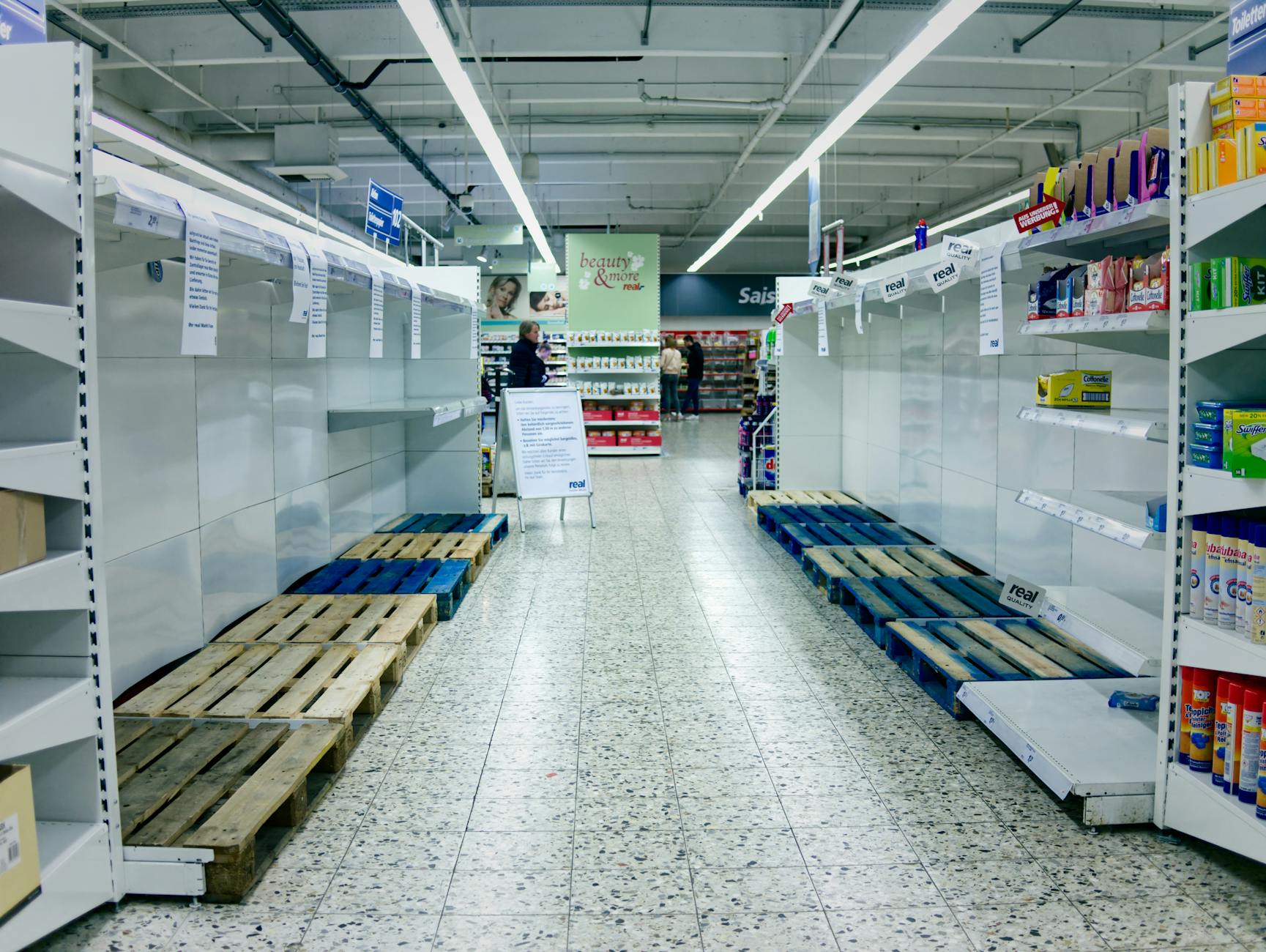
Amazon’s planned 225,000-sq-ft superstore in Orland Park and Walmart’s expanding pickup hubs illustrate a shift toward hybrid stores that blend in-store shopping with fulfillment, reshaping competition, supply chains, and retail jobs.

Big-box retailers are turning their floors into fulfillment hubs, hoping the mix of shelf-shopping and instant delivery will win the next wave of consumers.
redefining the Retail landscape
When city officials in Orland Park, Illinois, opened a planning packet for Amazon’s new 225,000-sq-ft building, they saw more than a new storefront. The layout featured a separate dock for delivery trucks, a self-service kiosk zone, and a traditional aisle area. Amazon and Walmart are betting that such “hybrid stores” will merge the tactile pull of a supermarket with the speed of e-commerce fulfillment.
The concept promises two key benefits. First, shoppers can grab fresh produce while a robot arm pulls an online order from a backroom shelf. Second, the same space can serve as a micro-fulfillment center for nearby neighborhoods, shaving hours off delivery times. Both moves answer a shift that began after the pandemic: consumers expect instant access, whether they walk in or click a button.
Critics warn that the model may strain labor. Combining cashier duties with order-picking could force employees into faster, more repetitive work cycles, raising safety and wage concerns.
Combining cashier duties with order-picking could force employees into faster, more repetitive work cycles, raising safety and wage concerns.
The Rise of Hybrid Stores
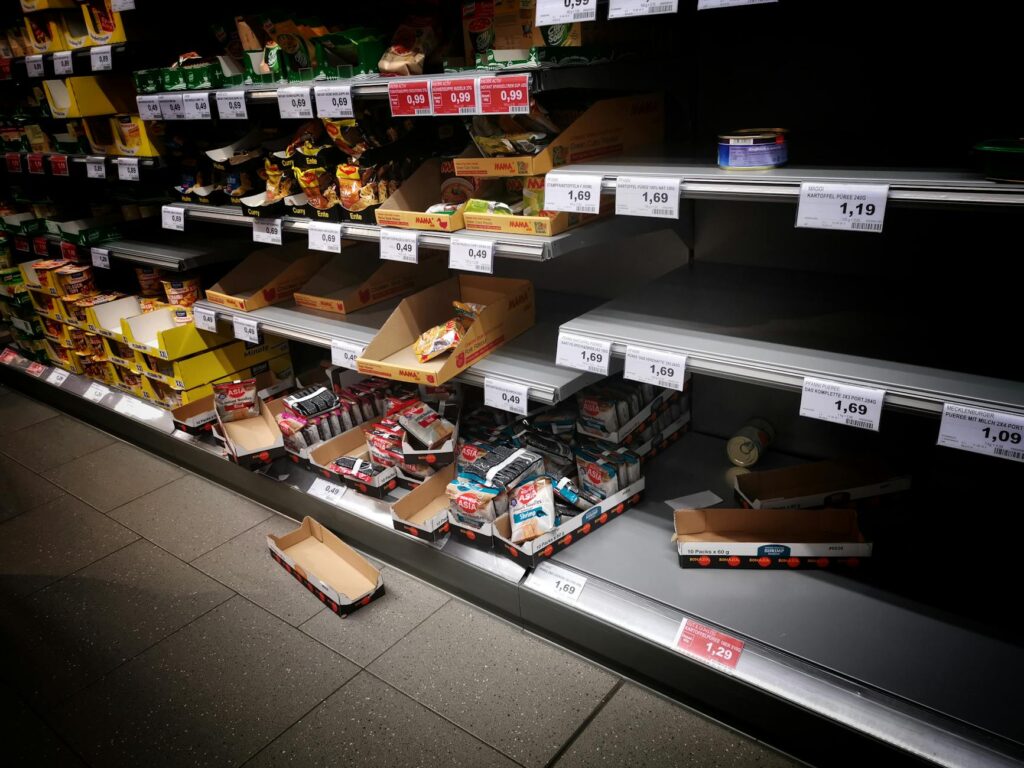
Amazon’s Orland Park proposal is its largest physical footprint to date, matching the square footage of a typical Walmart Supercenter. The design mirrors Walmart’s “one-stop” layout but adds a dedicated fulfillment lane that bypasses the sales floor. Walmart has quietly piloted “Pickup & Delivery Hubs” inside existing stores, letting shoppers collect online orders from a curbside locker while still browsing groceries.
Both giants are leveraging data. Amazon’s AI predicts which SKUs will sell fastest in each zip code, positioning them near the front of the fulfillment aisle. Walmart uses its massive point-of-sale database to allocate shelf space dynamically, shifting inventory in real time based on local demand spikes.
You may also like
 Entrepreneurship
Sustainable Impacting Investing: Investing in Tomorrow, Today
Career Ahead “Committing to growth and sustainability is our impact, and impact requires investment” As young professionals embark on the career phase of their lives…
Read More →Competition and Market Share
The hybrid model is a direct challenge to each other’s core advantage. Walmart has long ruled the brick-and-mortar arena with over 5,000 supercenters, while Amazon dominates online sales. If Amazon can turn its megastore into a fulfillment engine, it could shave delivery costs and lure price-sensitive shoppers away from Walmart’s aisles.
Analysts at Morgan Stanley estimate that a successful hybrid rollout could add $8 billion in incremental revenue for Amazon by 2029, eroding roughly 2% of Walmart’s market share in the U.S. grocery segment.
Strategies and Challenges
Amazon has earmarked $1.2 billion for the Orland Park build, funneling cash into robotics, AI routing software, and a new “Fulfillment-First” employee training program. The company also plans to partner with local farms for fresh produce, promising same-day delivery from the same roof.
Walmart’s answer appears two-pronged. First, it is expanding its “Express Delivery” fleet, adding 4,000 electric vans to cover the 100-mile radius around each supercenter. Second, it is rolling out an internal “Hybrid Store” blueprint that repurposes underused floor space for micro-fulfillment pods.
Analysts at Morgan Stanley estimate that a successful hybrid rollout could add $8 billion in incremental revenue for Amazon by 2029, eroding roughly 2% of Walmart’s market share in the U.S.
The Future of Retail
If hybrid stores prove profitable, the industry could see a cascade of similar formats. Smaller chains may adopt “store-as-hub” models, turning regional outlets into rapid-delivery nodes. The ripple effect would be a tighter, data-driven supply chain where AI forecasts, inventory placement, and last-mile logistics happen on a single floor.
You may also like
 Career Development
The Digital Language Boom: Transforming Careers Through AI Translation
AI translation technology is revolutionizing communication, impacting your career opportunities in significant ways.
Read More →However, the model hinges on technology staying affordable. Current robot arms cost $45,000 each; a 200-unit deployment could add $9 million to a store’s CAPEX. Should hardware prices rise or supply chain disruptions hit component manufacturers, retailers might delay rollouts.
For job seekers, the hybrid wave opens roles that blend retail empathy with tech fluency. Positions like “Customer-Fulfillment Associate” or “In-Store Data Analyst” will likely appear in hiring portals within months.