No products in the cart.

Fuel prices are soaring. Plastic could be next.
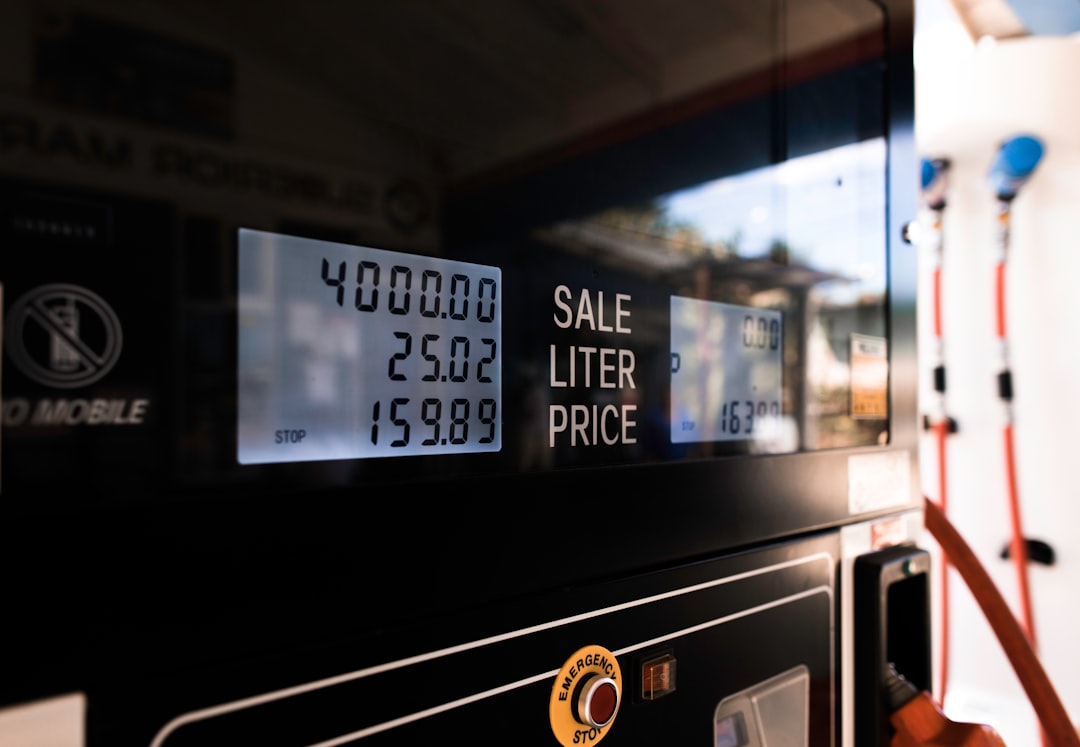
Fuel prices are soaring, and the ripple effects are reaching far beyond the gas pump. With crude oil prices recently surpassing $100 a barrel, industries that rely on petroleum products are bracing for impact. Among these, the plastic industry is particularly vulnerable.

Fuel prices are soaring, and the ripple effects are reaching far beyond the gas pump. With crude oil prices recently surpassing $100 a barrel, industries that rely on petroleum products are bracing for impact. Among these, the plastic industry is particularly vulnerable. As plastics are derived from petrochemicals, the rising cost of fuel could lead to increased prices for plastic goods. This situation not only affects manufacturers but also consumers who rely on plastic products in their daily lives.
The ongoing conflict in Iran has exacerbated the situation, causing disruptions in supply chains and pushing fuel prices to new heights. With the Strait of Hormuz, a critical passage for oil transport, remaining closed, the global economy is feeling the strain. As gasoline prices in the U.S. hit their highest levels since 2022, the potential for increased costs in plastic production looms large. This scenario raises critical questions about the future of the plastic industry and its reliance on fossil fuels.
The Rising Cost of Raw Materials
The plastic industry is heavily reliant on petroleum products. Naphtha, a byproduct of crude oil, is crucial in the production of various plastics, including polypropylene, which is used in everyday items like containers and automotive parts. With prices for naphtha climbing by 50% in Asia recently, manufacturers are already feeling the pressure. According to reports, the largest supplier of water bottles in India announced an 11% price increase due to a 70% rise in packaging costs. This trend is echoed globally, as the war in Iran continues to disrupt oil supplies, leading to increased costs for raw materials essential for plastic production.
Fuel prices directly affect production costs across the supply chain. As fuel becomes more expensive, the costs of transporting raw materials and finished products also rise. This increase can lead to higher prices for consumers. A report from the Organization for Economic Cooperation and Development (OECD) highlighted that the average U.S. resident used over 250 kilograms of new plastics in 2019, indicating a significant reliance on these materials. If prices continue to rise, consumers may face tough choices about their spending.
A report from the Organization for Economic Cooperation and Development (OECD) highlighted that the average U.S.
Environmental Concerns and Industry Responses
The implications of rising fuel prices extend beyond immediate cost increases. The plastic industry is facing a potential crisis, as the reliance on fossil fuels becomes increasingly scrutinized. As environmental concerns grow, the pressure to transition to sustainable practices intensifies. The current energy crisis could serve as a catalyst for change, pushing industries to explore renewable energy sources and more sustainable materials. According to MIT Technology Review, plastic production accounts for roughly 5% of global carbon dioxide emissions today, highlighting the urgent need for a shift away from fossil-derived plastics.
You may also like
 Child Development
Dalton’s Mobile Book Van: A New Chapter for Literacy
Dalton's new mobile book van is set to enhance literacy among students and families, making reading more accessible than ever.
Read More →However, the transition is fraught with challenges. Recycling, while a potential solution, has its limitations. Mechanical recycling degrades materials over time, making infinite reuse impossible. Chemical recycling, though promising, poses environmental risks and is not yet widely adopted. As companies navigate these complexities, they must balance cost, sustainability, and consumer demand. In the face of rising costs, some companies may attempt to absorb the increases to maintain market share, while others may pass costs onto consumers. This dynamic could lead to a fragmented market, where some brands thrive by embracing sustainability, while others struggle under the weight of rising production costs.
As the market grapples with rising costs, companies may need to innovate or risk losing market share. The shift towards sustainability is not just a trend; it is becoming a necessity in a world where fossil fuel reliance is increasingly questioned. Companies that invest in research and development for bio-based plastics and recycling technologies may find themselves at a competitive advantage. The future of the plastic industry may hinge on its ability to adapt and innovate in response to these pressures.

Future Prospects for the Plastic Industry
The future of the plastic industry is uncertain, particularly as fuel prices remain volatile. As the world grapples with the consequences of geopolitical conflicts and climate change, the reliance on fossil fuels is becoming increasingly untenable. Industries must begin to rethink their strategies and consider the long-term implications of their supply chains. As consumers become more environmentally conscious, there is a growing demand for sustainable alternatives. The current economic landscape, marked by rising fuel prices and environmental concerns, presents both challenges and opportunities for the plastic industry.
Companies that invest in research and development for bio-based plastics and recycling technologies may find themselves at a competitive advantage.
In summary, soaring fuel prices present significant challenges for the plastic industry, impacting production costs and consumer prices. As costs rise and supply chains are disrupted, companies must navigate a complex landscape. The ability to innovate and adapt will be crucial for survival. The plastic industry stands at a crossroads, and its response to the current crisis will shape its future for years to come.

You may also like
 Global Affairs
Goa Hits 1 Crore Tourists, Foreign Arrivals Still Lag
Goa has reached a record of 1 crore tourists in 2025, primarily due to a surge in domestic travel, while international arrivals still lag behind.…
Read More →Sources: MIT Technology Review, BBC, Bloomberg.