No products in the cart.

Rising Yields and Higher Education Costs: A Global Perspective
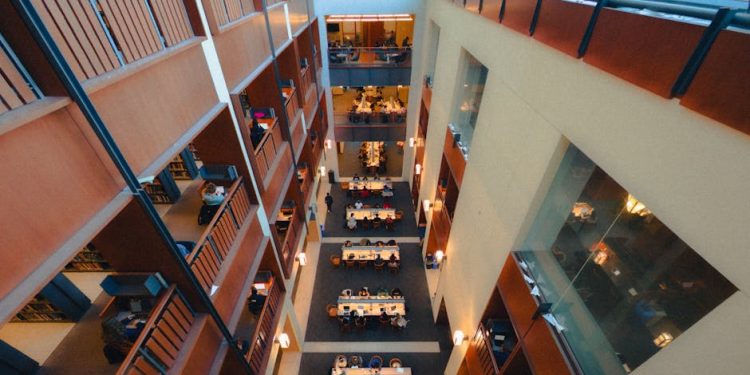
This analysis examines the relationship between rising global yields and the increasing costs of higher education, focusing on implications for students and institutions.


London, United Kingdom — As governments grapple with soaring debt levels, global yields are on the rise, directly impacting the cost of higher education. The interplay between these economic factors is reshaping the financial landscape for students and institutions alike. Recent data indicates that the average student debt in the UK has reached an all-time high, with graduates facing an average of £45,000 in loans upon completion of their degrees.
This trend is not merely a local issue; it reflects a broader global phenomenon. Rising yields typically signal higher borrowing costs, which can lead to increased tuition fees as universities seek to cover their own expenses. The implications are profound, affecting not just current students but future generations who may consider higher education a less viable option due to escalating costs.
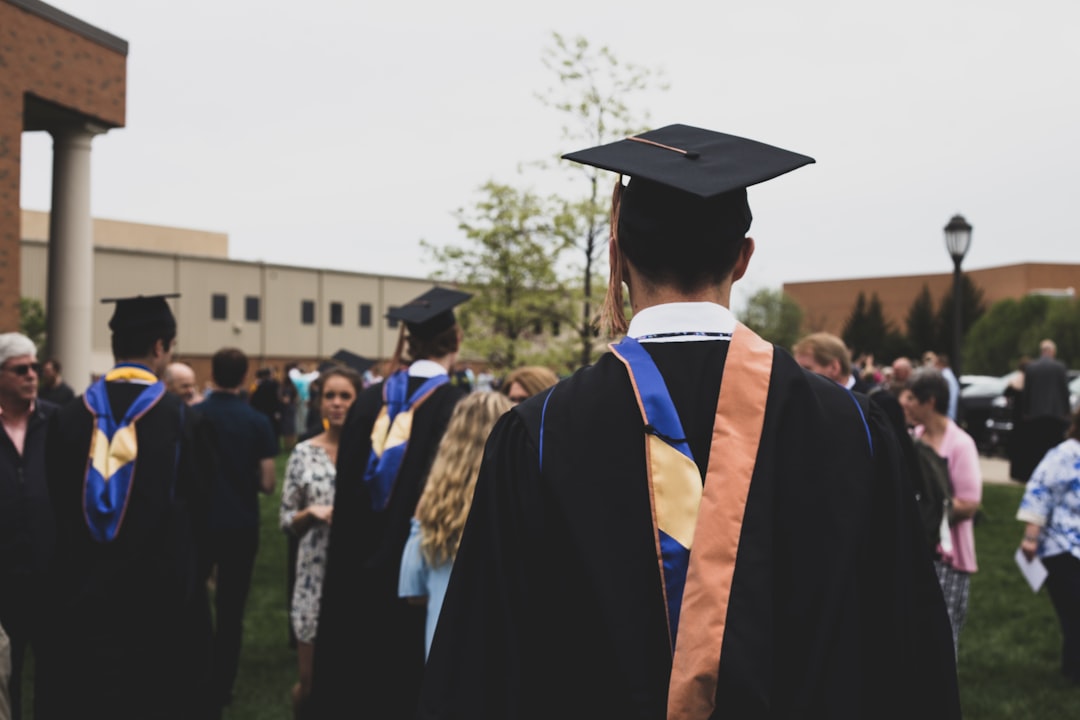
Since 2020, the Bank of England has gradually increased interest rates to combat inflation, which has seen yields on government bonds rise significantly. According to the Office for National Statistics, UK student debt has grown by over 10% since 2021, outpacing wage growth and raising concerns about the long-term financial viability for graduates. The rise in yields is expected to continue, creating a challenging environment for students seeking financial support.
The situation is further complicated by the global economic landscape. The International Monetary Fund (IMF) has noted that many countries are facing similar challenges, with deteriorating fiscal conditions leading governments to tighten their budgets. This tightening often translates into reduced funding for public universities, pushing institutions to increase tuition fees to maintain operations.
According to the Office for National Statistics, UK student debt has grown by over 10% since 2021, outpacing wage growth and raising concerns about the long-term financial viability for graduates.
In the United States, the Federal Reserve’s recent interest rate hikes have mirrored those in the UK. The average student debt in the US now exceeds $30,000, with many graduates struggling to manage their payments amid rising living costs. For many, the prospect of attending college is becoming increasingly daunting, and experts warn that this could lead to a decline in enrollment rates, particularly among low-income students.
You may also like
 Government & Policy
8th Pay Commission Stakeholder Meetings Begin
The 8th Pay Commission is conducting stakeholder meetings to discuss salary and pension revisions for over 1 crore central government employees and pensioners, with key…
Read More →While some institutions have begun to diversify their funding models—exploring partnerships with private companies and increasing alumni donations—the reliance on tuition fees remains high. A study by the National Center for Education Statistics found that tuition and fees at public four-year institutions increased by 20% from 2010 to 2020, outpacing inflation by a significant margin. As yields continue to rise, many anticipate that this trend will only worsen, making it imperative for universities to find sustainable financial solutions.
Additionally, the global shift towards online education has presented both challenges and opportunities. Online programs can potentially lower costs for students, but they also require significant investment in technology and infrastructure from educational institutions. As universities navigate this transition, the pressure to keep tuition affordable while maintaining quality education will persist.
Experts suggest that the rise in yields could also spark a reevaluation of the value of higher education itself. With increasing numbers of students questioning the return on investment of a degree, colleges and universities may need to adapt their offerings to better align with job market demands. This could mean an emphasis on vocational training and alternative education pathways that offer more direct routes to employment.
As we look ahead, the need for innovative solutions in financing higher education is critical. Policymakers, educators, and financial institutions must collaborate to create sustainable funding models that prioritize accessibility and affordability. The stakes are high: if the cost of education continues to rise unchecked, the dream of higher education could slip away for many, exacerbating existing inequalities.
As we look ahead, the need for innovative solutions in financing higher education is critical.
Ultimately, the rising yields and increasing education costs underscore a pivotal moment for stakeholders in the education sector. The decisions made now will shape the future of higher education, impacting not just individual students, but the economy at large.
How will institutions adapt to these economic pressures, and what new models will emerge to ensure that education remains a viable path for future generations? The answers to these questions will define the landscape of higher learning in the years to come.
You may also like
 Government & Policy
Sebi Reviews Position Limits to Enhance Non-Agri Liquidity
As part of this initiative, Sebi is also emphasizing the importance of phased physical settlement for agricultural commodities.
Read More →