No products in the cart.

Tesla’s Workforce Cuts Reflect Broader Industry Trends
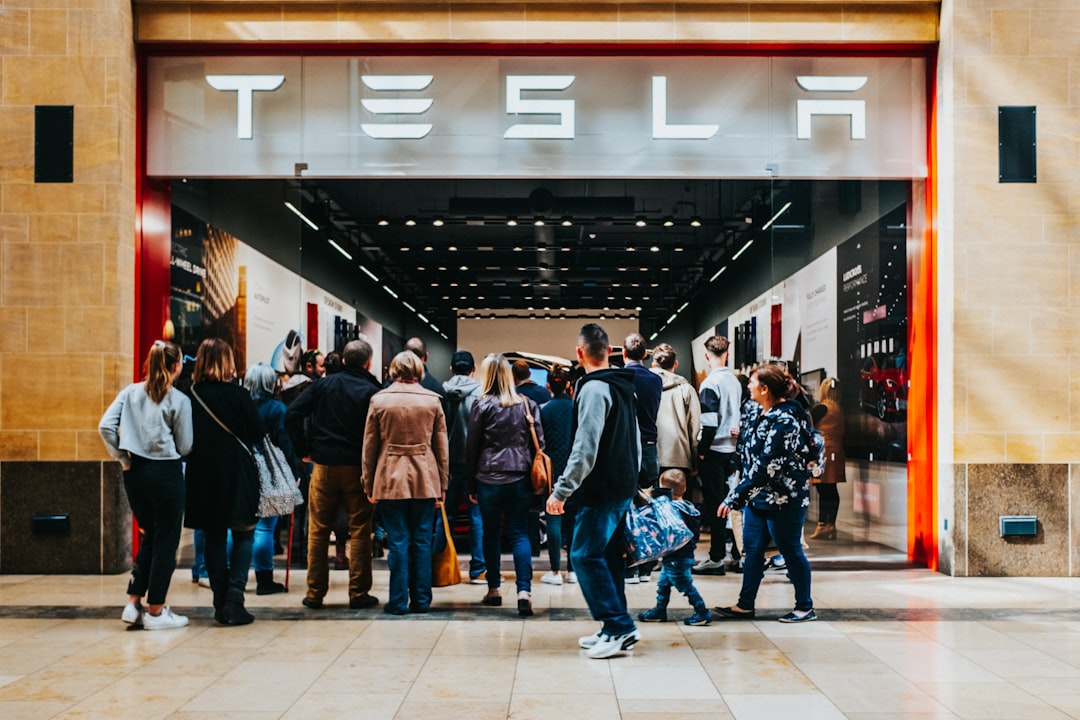
Tesla's recent 22% workforce reduction at its Texas factory highlights significant shifts in the electric vehicle industry. This article delves into the causes and broader implications of these changes.

Austin, Texas — Tesla’s decision to cut its workforce by 22% at its Texas factory has raised eyebrows and sparked discussions about the future of the electric vehicle (EV) industry. The company reduced its workforce from 21,191 employees in 2024 to 16,506 in 2025. This significant decline comes amid declining sales and increasing automation within the manufacturing sector.
The workforce reduction reflects not only Tesla’s internal challenges but also broader trends affecting the automotive industry. As companies adapt to changing market conditions, the implications of these workforce cuts extend beyond Tesla, impacting employees, local economies, and the future of electric vehicle production.
Tesla’s Workforce Dynamics
Tesla’s Texas factory, which opened in 2022, has become a crucial hub for the company’s production of the Model Y and Cybertruck. Despite its importance, the recent layoffs indicate deeper issues within the company. According to a report from TechCrunch, the reduction in workforce is attributed to a second consecutive year of declining sales, forcing the company to reevaluate its operational strategies.
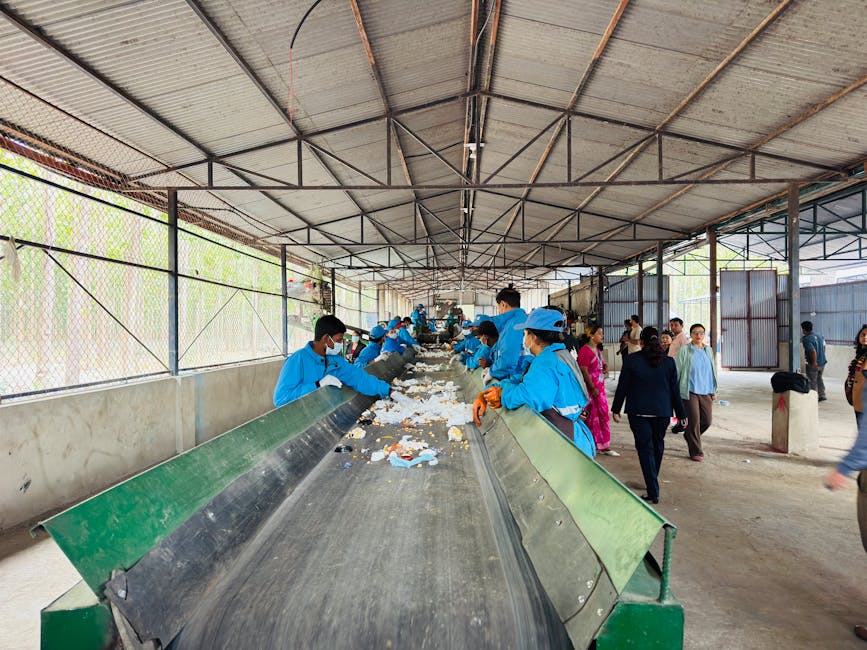
In addition to sales declines, Tesla’s workforce changes are influenced by automation advancements. As noted by Reuters, the factory has implemented new technologies that enhance production efficiency, meaning fewer workers are needed to achieve the same output. This trend toward automation is not unique to Tesla; many manufacturers are adopting similar strategies to reduce costs and increase efficiency.
Moreover, while the Texas factory faced cuts, Tesla’s global workforce grew from 125,665 employees in 2024 to 134,785 in 2025, highlighting the complexity of workforce dynamics within a rapidly evolving company.
As noted by Reuters, the factory has implemented new technologies that enhance production efficiency, meaning fewer workers are needed to achieve the same output.
Broader Implications for the EV Industry
The implications of Tesla’s workforce reduction extend beyond the company itself. As one of the largest employers in the Austin area, Tesla’s layoffs could have a ripple effect on the local economy. The loss of jobs can lead to decreased consumer spending, impacting local businesses and services that rely on a steady flow of income from Tesla employees.
You may also like
 Featured
India’s Ascent: Charting Your Career Course in a 7% Growth Economy
Global credit rating agency Moody’s forecasts India's economy to grow by a robust 7% in 2025, signaling immense opportunities for young professionals and aspiring talents…
Read More →Furthermore, the reduction raises questions about the future of the electric vehicle industry. As companies like Tesla increasingly turn to automation, there is concern about the long-term viability of jobs in manufacturing. This shift may lead to a workforce that is less skilled in traditional manufacturing roles, as companies prioritize technology and efficiency over human labor.
Additionally, Tesla’s workforce cuts may signal a broader trend within the automotive industry. As competition intensifies and margins tighten, other manufacturers may follow suit, leading to further job losses across the sector. This potential for widespread layoffs raises concerns about the sustainability of employment in the EV industry and the need for retraining programs to help displaced workers transition to new roles.
Contradictions in the Automation Narrative
Despite the challenges Tesla faces, there are contradictions in the narrative surrounding its workforce reduction. While layoffs are often viewed negatively, the company’s investments in automation and technology could lead to a more efficient production process in the long run. As noted by Forbes, advancements in automation can enhance productivity and reduce production costs, potentially benefiting the company and its shareholders.
However, this optimistic view must be tempered by the reality of job losses and the impact on workers. The debate continues on whether the benefits of automation outweigh the costs associated with workforce reductions. As Tesla navigates these challenges, it must balance the need for efficiency with the responsibility to its employees and the communities it operates in.
This potential for widespread layoffs raises concerns about the sustainability of employment in the EV industry and the need for retraining programs to help displaced workers transition to new roles.
Future Considerations for the Automotive Sector
The future of Tesla’s workforce and the broader electric vehicle industry remains uncertain. As the market evolves, companies will need to adapt their strategies to remain competitive. This may involve further automation, shifts in production strategies, and a reevaluation of workforce needs. The demand for skilled workers in technology and automation will likely grow, while traditional manufacturing roles may decline.
You may also like
 Business Insights
Artisanal Renaissance Reshapes Luxury Jewelry’s Economic Trajectory
Artisanal craftsmanship is reshaping luxury jewelry’s value chain, converting cultural authenticity into a premium that fuels both brand equity and regional economic development.
Read More →In summary, Tesla’s 22% workforce reduction at its Texas factory reflects broader trends in the electric vehicle industry. As companies increasingly adopt automation and face market pressures, the implications for workers and local economies are significant. The future of work in the automotive sector will require a careful balance between technological advancement and workforce sustainability.
For young professionals entering the workforce, these changes underscore the importance of adaptability and continuous learning. As the industry shifts, those who can embrace new technologies and develop relevant skills will be better positioned for success in a rapidly changing landscape.