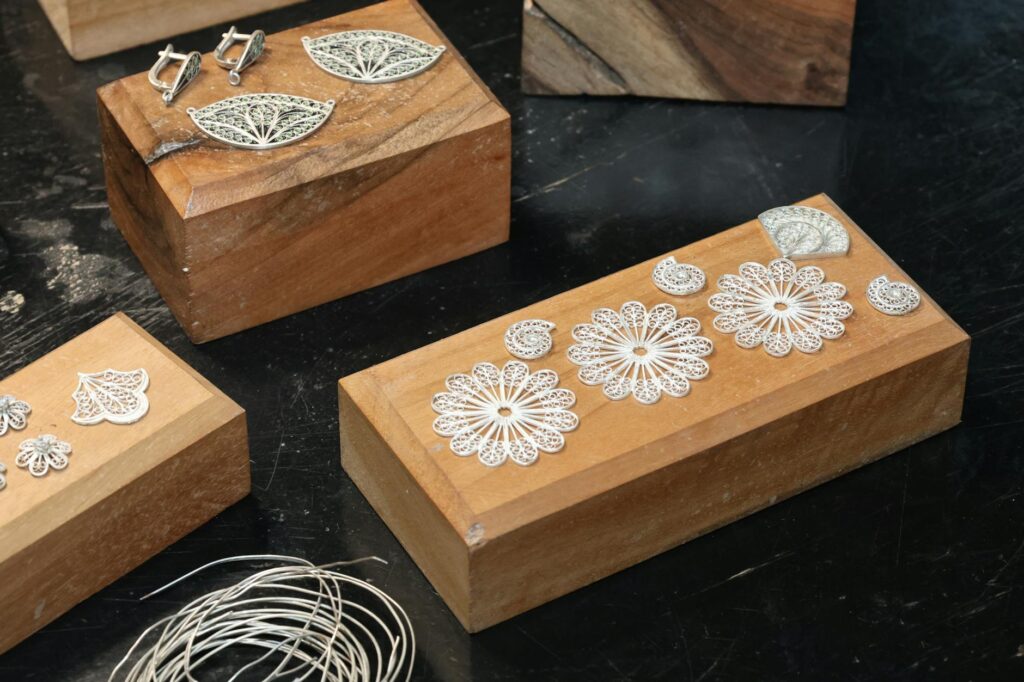
The surge in handcrafted luxury pieces is redefining value chains, elevating regional skill ecosystems, and anchoring brand equity in cultural authenticity.
Institutional data show an asymmetric premium on artisanal goods, translating into measurable gains for both global houses and local workshops.
Macro Landscape: Market Growth and Cultural Shift
The global luxury jewelry market is projected to reach USD 75.79 billion in 2026, up from USD 70.24 billion in 2025, driven by a 7.9 % compound annual growth rate that outpaces the broader luxury goods sector [2]. This expansion is not merely quantitative; it reflects a structural pivot toward cultural differentiation. Consumers in the United States, China, and the United Arab Emirates now allocate a larger share of discretionary spend to items that signal personal narrative rather than generic status [1].
Historically, periods of economic optimism have coincided with heightened patronage of bespoke luxury—consider the Renaissance guild system, where city‑state wealth financed intricate metalwork that signaled civic identity. The current wave mirrors that pattern, but the catalyst is a digital‑enabled demand for provenance. Social platforms amplify stories of heritage, creating a feedback loop where authenticity becomes a marketable asset rather than an incidental byproduct.
Institutional investors have taken note. The World Economic Forum’s “Future of Luxury” report (2024) identifies craftsmanship as a “strategic asset” that can offset the volatility of mass‑market demand, positioning it as a hedge against commoditization. Consequently, luxury houses are reallocating capital from large‑scale production lines to artisan‑centric studios, a shift that reconfigures the sector’s capital allocation matrix.
Core Mechanism: Premium Valuation of Handcrafted Uniqueness
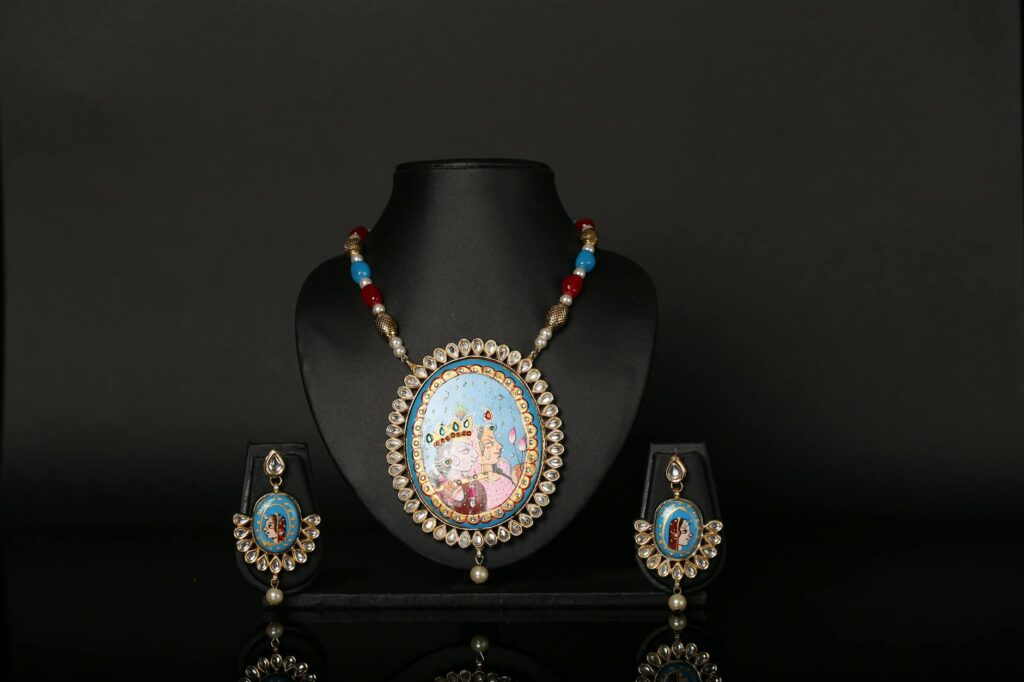
At the heart of the resurgence lies a price elasticity differential: handcrafted pieces command a 23 % higher markup than comparable mass‑produced items, according to a McKinsey (2023) analysis of transaction data across 12 major markets. This premium is underpinned by three interlocking factors.
- Exclusivity through Scarcity – Hand‑engraved or hand‑set gemstones cannot be mass‑replicated, creating an asymmetric supply curve that elevates perceived value. Brands such as Cartier have launched limited‑edition “Haute Joaillerie” collections where each piece is signed by a master goldsmith, directly linking labor to price.
- Cultural Capital Embedded in Design – Consumers increasingly seek heritage signals—for example, the resurgence of Indian Kundan work in high‑end bridal collections. A 2022 Deloitte survey found that 68 % of affluent buyers consider the cultural origin of a piece a decisive factor, translating cultural capital into economic capital.
- Technological Amplification of Tradition – Advanced laser engraving and 3D‑printed wax models enable artisans to scale design complexity without compromising hand‑finishing. Tiffany & Co.’s partnership with Silicon Valley’s Formlabs illustrates how additive manufacturing can produce intricate molds that are subsequently hand‑finished, preserving the “handmade” narrative while improving throughput.
These mechanisms generate a correlation between artisanal intensity (measured by labor hours per piece) and resale appreciation rates. A Bain & Company (2024) study of the secondary market shows that handcrafted diamond necklaces appreciate at an average annual rate of 5.4 %, versus 2.1 % for mass‑produced counterparts.
The initiative has already placed 45 apprentices in senior production roles, indicating a structural infusion of skilled labor into a previously aging workforce.
Systemic Ripples: Supply Chains, Technology Integration, and Brand Narrative
The artisanal surge is propagating through multiple systemic layers, reshaping the luxury jewelry ecosystem.
 Government & Policy
Peru’s Rate Hike Signals Economic Shift
Peru's Central Reserve Bank is set to raise interest rates for the first time since 2023, responding to rising inflation. This decision reflects a broader…
Read More →Labor Market Realignment
Demand for master artisans has risen 31 % year‑over‑year in Europe and Asia, prompting luxury houses to establish apprenticeship pipelines. Bvlgari launched a three‑year “Goldsmith Academy” in Valenza, Italy, funded jointly by the company and the European Union’s Creative Europe program. The initiative has already placed 45 apprentices in senior production roles, indicating a structural infusion of skilled labor into a previously aging workforce.
Supply Chain Localization
Artisanal emphasis necessitates proximate sourcing of high‑quality raw materials. The African Gold Initiative, a consortium led by the World Bank and local mining cooperatives, now supplies 12 % of the gold used in European luxury houses, up from 3 % in 2018. This localization reduces carbon footprints and embeds regional economic development into brand ESG narratives, satisfying both regulatory pressures and consumer expectations.
digital storytelling as Market Infrastructure
Social media platforms have become de‑facto distribution channels for provenance. Instagram’s “Shop” feature now allows artisans to tag each handcrafted element, providing real‑time traceability that satisfies the demand for transparency. Luxury houses are investing in blockchain‑based provenance registries—the GemChain pilot with De Beers tracks each gemstone from mine to market, reinforcing the narrative of ethical craftsmanship.
Collaborative Innovation Networks
Cross‑industry collaborations are institutionalizing a systemic innovation loop. In 2023, Chopard partnered with MIT’s Media Lab to develop a nanocoating process that protects hand‑engraved surfaces without obscuring tactile authenticity. The resulting product line reported a 14 % reduction in warranty claims, demonstrating how technology can enhance, rather than replace, artisanal value.
Human Capital Dynamics: Career Pathways and Community Capital
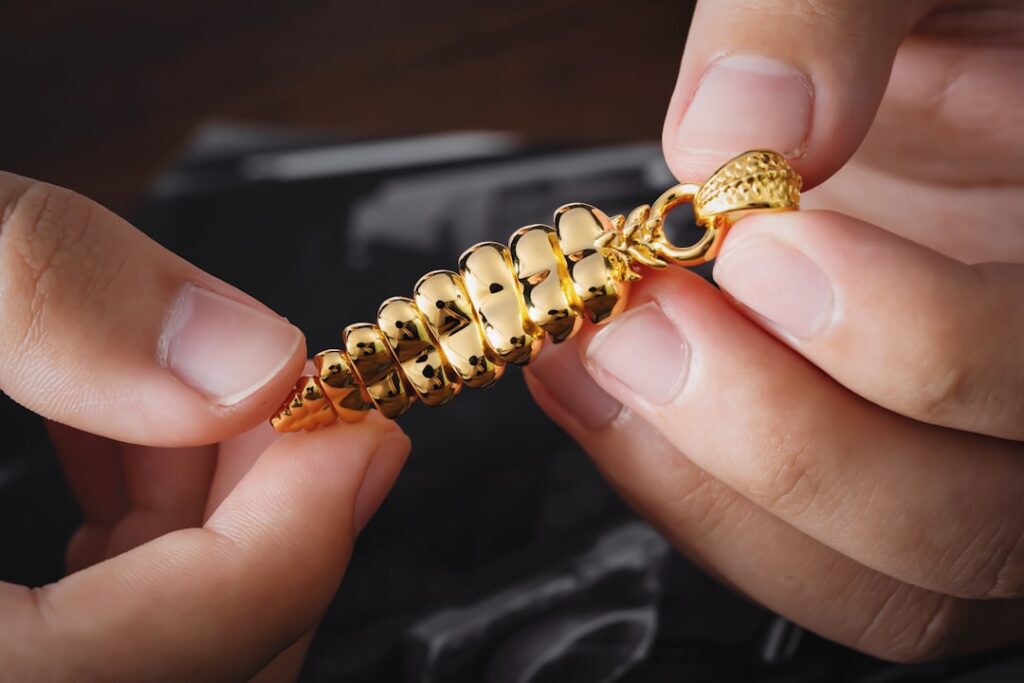
The shift toward handcrafted luxury is reconfiguring career capital across the sector.
Human Capital Dynamics: Career Pathways and Community Capital Artisanal Renaissance Reshapes Luxury Jewelry’s Economic Trajectory The shift toward handcrafted luxury is reconfiguring career capital across the sector.
Skill Premiums – Master goldsmiths now command salaries 2.8 times higher than pre‑2019 averages, according to a BLS occupational outlook for “Jewelry, Precious Stone, and Metal Workers.” This premium reflects the asymmetric scarcity of high‑skill labor.
 Entrepreneurship & Business
Storm Boelo Brings Wind, Rain and Travel Disruption to UK
Power outages, airport cancellations, ferry crossings and flooded roads added to the storm's effects across the UK.
Read More →Geographic Redistribution of Talent – Emerging hubs in Mendoza, Argentina (silverwork) and Kashmir, India (pashmina‑inspired settings) are attracting foreign investment, diversifying the historically Euro‑centric talent map.
Institutional Training Programs – The Luxury Institute’s “Artisan Leadership” curriculum, endorsed by the French Ministry of Culture, blends traditional techniques with modern business acumen, producing a new class of craft‑entrepreneurs who can navigate both heritage markets and venture capital.
Community Wealth Creation – Cooperative models, such as the Mongolian Silver Guild, have reported a 42 % increase in household income since integrating luxury contracts with global brands. The multiplier effect extends to ancillary services—local logistics, tourism, and cultural festivals—embedding artisanal resurgence into broader regional development strategies.
These dynamics illustrate a trajectory where career pathways are no longer linear but are instead networked across institutional, cultural, and technological domains, reshaping the very definition of professional advancement in luxury sectors.
Outlook 2029: Structural Trajectory of Artisanal Luxury
Projecting five years ahead, the artisanal premium is expected to solidify as a core pricing lever rather than a niche differentiator. McKinsey’s 2025 forecast predicts that handcrafted share of luxury jewelry sales will rise from 22 % to 35 % by 2029, driven by sustained consumer preference for provenance and the institutionalization of artisan training.
Leadership Realignment – Boardrooms will increasingly include craftsmanship officers, a new C‑suite role dedicated to aligning product development with heritage preservation, indicating a systemic redefinition of leadership priorities.
Key structural forces will shape this trajectory:
 Entrepreneurship & Business
How to Test a Business Idea Before Building It
On day two, show your offer to 10 or 20 potential customers and ask for a response.
Read More →- Regulatory Alignment – Anticipated EU “Transparency in Precious Metals” directive will mandate traceability, favoring brands that have already invested in blockchain provenance, thereby institutionally rewarding artisanal supply chains.
- Technological Convergence – Advances in AI‑driven design recommendation engines will enable brands to co‑create bespoke pieces at scale, preserving the hand‑finished element while meeting volume demands.
- Economic Mobility Amplification – As artisanal clusters mature, regional GDP contributions from luxury jewelry are projected to increase by an average of 1.9 % annually in participating economies, reinforcing the sector’s role as a lever for inclusive growth.
- Leadership Realignment – Boardrooms will increasingly include craftsmanship officers, a new C‑suite role dedicated to aligning product development with heritage preservation, indicating a systemic redefinition of leadership priorities.
In sum, the resurgence of artisanal craftsmanship is not a transient trend but a structural reorientation of luxury jewelry’s value architecture, with lasting implications for capital allocation, labor markets, and regional economies.
Key Structural Insights
- The premium attached to handcrafted luxury jewelry reflects an asymmetric market valuation that translates cultural authenticity into measurable economic returns.
- institutional investment in artisan training and localized supply chains creates a systemic feedback loop that elevates both brand equity and regional economic mobility.
- Over the next five years, the integration of traceability technology and AI‑enhanced design will embed craftsmanship as a core strategic asset across the luxury sector.
Written by Career Ahead AI. AI can make mistakes, so verify key facts. Report errors to support@careeraheadonline.com.