No products in the cart.

Peter Thiel and the New Career Landscape
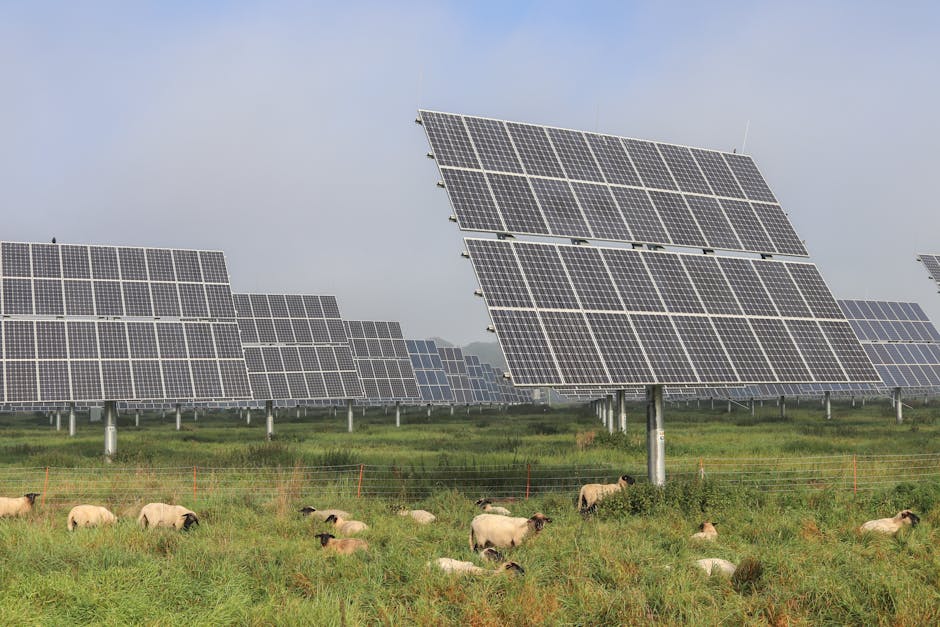
Peter Thiel's investment in Halter, a New Zealand startup, is set to transform cattle management with solar-powered collars that create virtual fences, enhancing productivity and animal welfare.


Peter Thiel has made headlines with his investment in Halter, a New Zealand startup that has developed solar-powered cow collars aimed at revolutionizing cattle management. The company recently raised $220 million in a Series E funding round led by Thiel’s Founders Fund. This investment underscores Thiel’s commitment to innovative agricultural solutions and highlights the growing intersection of technology and farming.
The collars are designed to manage cattle without traditional fencing methods, equipped with solar panels that allow them to operate independently in remote areas. Farmers can create virtual fences using a smartphone app, enabling them to monitor and control their herds with unprecedented precision. This innovation addresses significant challenges in cattle management, particularly in expansive and rugged terrains.
Craig Piggott, the 30-year-old founder and CEO of Halter, emphasized the importance of pasture management in discussions about the technology. He stated, “If you manage a pasture-based farm, the productivity of your land is crucial. Being able to control where animals graze virtually is a game changer.” This technology is set to increase land productivity by up to 20%, enabling farmers to maximize their outputs efficiently.
Transforming Livestock Management
The collars also monitor the health of the cattle, tracking vital signs and behaviors, which is crucial for ensuring animal welfare and can alert farmers to potential health issues early on.
The introduction of solar-powered collars marks a significant shift in livestock management. Unlike traditional methods that rely on physical barriers, Halter’s system allows for flexibility and adaptability in grazing patterns. This is particularly beneficial in regions where land is uneven or difficult to access. The collars also monitor the health of the cattle, tracking vital signs and behaviors, which is crucial for ensuring animal welfare and can alert farmers to potential health issues early on. Piggott noted that Halter has accumulated one of the largest datasets of cattle behavior, enhancing the system’s effectiveness over time.
You may also like
 Education
Multilingual Mastery: The Case for Bilingual and Trilingual Education
Multilingual education, combining cognitive and cultural benefits, is the future of learning in India and globally. Learn how embracing bilingual and trilingual education can prepare…
Read More →As Halter continues to innovate, its technology has already been deployed on over a million cattle across more than 2,000 farms in New Zealand, Australia, and the United States. This rapid adoption highlights the demand for smarter farming solutions that not only increase productivity but also improve animal welfare. According to a report from TechCrunch, the collars have been instrumental in addressing the challenges of managing cattle across remote terrains, providing farmers with a reliable tool to enhance their operational efficiency.
Financial Benefits and Market Trends
The financial implications of this technology are significant. By enhancing land productivity and reducing labor costs, farmers can achieve a higher return on investment. This is particularly important as the agricultural sector faces rising operational costs and the need for sustainable practices. Thiel’s backing of Halter aligns with a broader trend in the agri-tech sector, where innovative solutions are increasingly sought to tackle age-old farming challenges.
The investment in Halter by Thiel and Founders Fund is part of a broader trend in the agricultural technology sector, where startups are increasingly focusing on innovative solutions to age-old problems. As traditional farming practices face challenges from climate change and market fluctuations, technology like Halter’s solar collars provides a pathway to resilience. However, Halter is not the only player in this space. Competitors such as Merck with its Vence system and new entrants like Grazemate, which proposes using drones for cattle herding, are emerging. While Piggott acknowledges the potential of these technologies, he believes that the reliability and proven track record of Halter’s collars give it a competitive edge.
This is particularly important as the agricultural sector faces rising operational costs and the need for sustainable practices.

Challenges and Opportunities in Adoption
You may also like
 Business Innovation
Mobility‑as‑Service Redefines Pharmaceutical Access: A Structural Shift in Health‑Logistics Power
MaaS platforms are converting transport assets into health‑logistics infrastructure, redistributing institutional power and creating new career pathways that enhance economic mobility for underserved populations.
Read More →Despite the advancements, the biggest challenge remains the reluctance of some farmers to adopt new technologies. Piggott pointed out that the real competition is not just from other technologies but from the inertia of traditional practices. Overcoming this barrier is essential for widespread adoption and success. For young professionals and entrepreneurs in the agricultural sector, this shift presents opportunities for innovation and growth. As the demand for sustainable and efficient farming practices rises, there is a growing market for solutions that enhance productivity while addressing environmental concerns.
This investment and the technology it supports could redefine cattle management practices, presenting a significant opportunity for those involved in the agri-tech space. The implications extend beyond just cattle farming; they suggest a future where technology plays a central role in all aspects of agriculture. As the agricultural landscape evolves, the question remains: will innovations like Halter’s collars lead to a new standard in livestock management?