

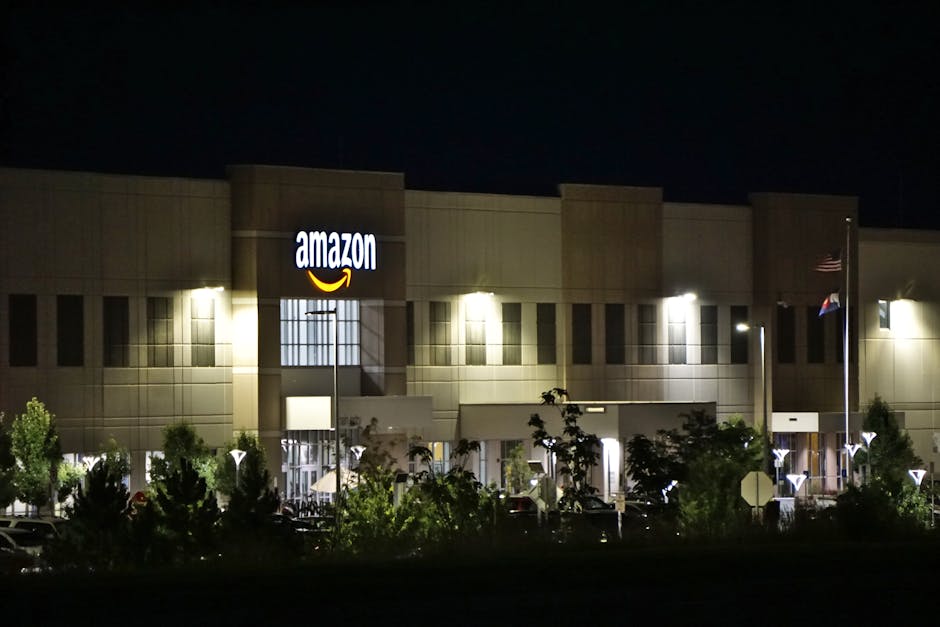
Amazon has made headlines with its recent acquisition of Globalstar for $10.8 billion. This strategic move aims to expand Amazon’s satellite internet service, positioning the company to compete more effectively with established players like SpaceX’s Starlink. The deal signals Amazon’s commitment to enhancing its technological capabilities and increasing its footprint in the satellite communications market.
The acquisition comes at a time when demand for high-speed internet access is surging, particularly in rural and underserved areas. Satellite internet offers a viable solution for bridging the digital divide, and Amazon’s investment in Globalstar could provide the infrastructure needed to deliver reliable service to millions. This shift not only reflects Amazon’s ambitions in the telecommunications sector but also highlights the growing importance of satellite technology in today’s connected world.
As the digital landscape evolves, the competition between major players in the satellite internet sector is intensifying. Amazon’s move to acquire Globalstar positions it as a formidable competitor against SpaceX, which has already established a strong presence with its Starlink service. This rivalry could lead to innovations in technology and pricing strategies, benefiting consumers and businesses alike.
Strategic Advantages of the Acquisition
The acquisition of Globalstar by Amazon is poised to have significant implications for the telecommunications industry. With this purchase, Amazon gains access to Globalstar’s existing satellite infrastructure and its spectrum licenses, which are crucial for providing satellite internet services. This strategic advantage could enable Amazon to roll out its services faster and more efficiently than competitors. According to a report from Bloomberg, this acquisition is part of a broader trend where tech companies are investing heavily in telecommunications infrastructure, driven by the need for reliable internet access in an increasingly digital world.
This rivalry could lead to innovations in technology and pricing strategies, benefiting consumers and businesses alike.
Moreover, the deal underscores the increasing convergence of technology and telecommunications. Companies like Amazon are recognizing the potential of satellite internet as a means to enhance their service offerings. As more tech giants enter the telecommunications space, traditional providers may need to innovate and adapt to stay relevant.
Challenges Ahead for Amazon and Globalstar
 Career Guidance
How to Switch Industries Mid-Career Without Starting Over
Bridge roles can reduce risk, while targeted skills and industry-specific applications help you make the case for a new field.
Read More →Despite the promising prospects of this acquisition, Amazon and Globalstar will face several challenges in the satellite internet market. One of the primary hurdles is the technical complexity of launching and maintaining satellite networks. Ensuring that satellites operate efficiently and provide consistent service requires significant investment and expertise. As noted in a recent article by The New York Times, Amazon’s entry into the satellite internet market is not without its risks, particularly as it seeks to compete against established players like SpaceX’s Starlink, which has already built a substantial user base.

Additionally, Amazon will need to navigate regulatory hurdles as it seeks to expand its satellite operations. The telecommunications industry is heavily regulated, and compliance with various laws and regulations can be daunting. As Amazon works to integrate Globalstar’s operations, it must also ensure adherence to all relevant guidelines. Furthermore, as the market evolves, consumer expectations will change, demanding faster speeds, lower latency, and more reliable connections.
Implications for Consumers and Businesses
The implications of Amazon’s acquisition of Globalstar extend beyond the corporate realm. This development could lead to improved internet access for millions, particularly in rural and underserved areas. As satellite internet becomes more accessible, it may enhance opportunities for education, remote work, and connectivity. For individuals and businesses alike, the expansion of satellite internet services could mean more options for reliable internet access. As competition increases, consumers may benefit from better pricing and service offerings.
As satellite internet becomes more accessible, it may enhance opportunities for education, remote work, and connectivity.
As Amazon continues to develop its satellite internet capabilities, the telecommunications landscape may undergo a significant transformation. The potential for improved connectivity could reshape how we interact, work, and communicate in an increasingly digital world. The next few years will be crucial in determining the impact of this acquisition on both consumers and the broader telecommunications landscape.
Sources: Bloomberg, BBC.
Written by Career Ahead AI. AI can make mistakes, so verify key facts. Report errors to support@careeraheadonline.com.





