No products in the cart.

A.I. Is on Its Way to Upending and the New Career Landscape

Cybersecurity is entering a new era as artificial intelligence (AI) advances rapidly. On April 6, 2026, a report highlighted how AI systems from companies like OpenAI and Anthropic are changing the landscape of cyber threats. Hackers are now using AI to launch attacks with unprecedented speed and sophistication, making it…

Cybersecurity is entering a new era as artificial intelligence (AI) advances rapidly. On April 6, 2026, a report highlighted how AI systems from companies like OpenAI and Anthropic are changing the landscape of cyber threats. Hackers are now using AI to launch attacks with unprecedented speed and sophistication, making it crucial for industries to adapt.
The integration of AI into cyberattacks allows malicious actors to automate their efforts. They can analyze vast amounts of data quickly, identifying vulnerabilities in systems that were once considered secure. This shift means organizations must rethink their cybersecurity strategies to counter these evolving threats.
AI’s impact is not just limited to the attackers. The defense side is also evolving, with cybersecurity firms developing AI-driven tools to detect and respond to threats in real-time. This creates a race between attackers and defenders, each leveraging AI to gain the upper hand.
AI-Powered Attacks: A New Threat Landscape
As AI technology becomes more accessible, the potential for its misuse grows. Cybercriminals can use AI to create sophisticated phishing schemes, deepfakes, and even automated malware. This evolution makes traditional security measures less effective, as attackers can now tailor their tactics based on real-time data.
According to a recent article from the New York Times, AI systems can generate convincing phishing emails that are difficult to distinguish from legitimate communications. This capability increases the likelihood of successful attacks, as users may not recognize the threat until it is too late. The need for enhanced user awareness and training is more critical than ever.
This capability increases the likelihood of successful attacks, as users may not recognize the threat until it is too late.
Moreover, the financial implications of these advanced attacks are significant. Companies face not only the direct costs of breaches but also the potential loss of customer trust. As reported, organizations that fall victim to AI-driven attacks may experience long-term damage to their reputation and market position.
In response, businesses must invest in AI technologies for their cybersecurity measures. Implementing AI tools can help organizations identify threats before they escalate, providing a proactive defense against potential breaches. However, this also raises questions about the ethical use of AI in cybersecurity.
Regulatory Challenges and Industry Response
You may also like
 Business
ESG Disclosure Heterogeneity Undermines the Legitimacy of Sustainable Capital
The article argues that without a mandatory global ESG reporting standard, the current patchwork of voluntary frameworks fuels rating arbitrage, inflates compliance costs, and concentrates…
Read More →The rise of AI in cybersecurity is prompting discussions about regulation and industry standards. Governments and regulatory bodies are beginning to recognize the need for frameworks that address the unique challenges posed by AI-driven threats. As Jamie Dimon, CEO of JPMorgan Chase, emphasized in a recent shareholder letter, the US must strengthen its capabilities to maintain its economic and military strength. This includes bolstering cybersecurity measures across industries.
Regulatory measures could include guidelines for the ethical use of AI and requirements for companies to implement robust cybersecurity practices. However, creating effective regulations is complex, as the technology evolves rapidly and often outpaces legislative efforts. The challenge lies in balancing innovation with security needs, ensuring that regulations do not stifle technological advancement.
Industry leaders are also advocating for collaboration between private companies and government agencies. Sharing threat intelligence and best practices can enhance collective security. This approach can help organizations stay ahead of potential threats and foster a more resilient cybersecurity ecosystem.
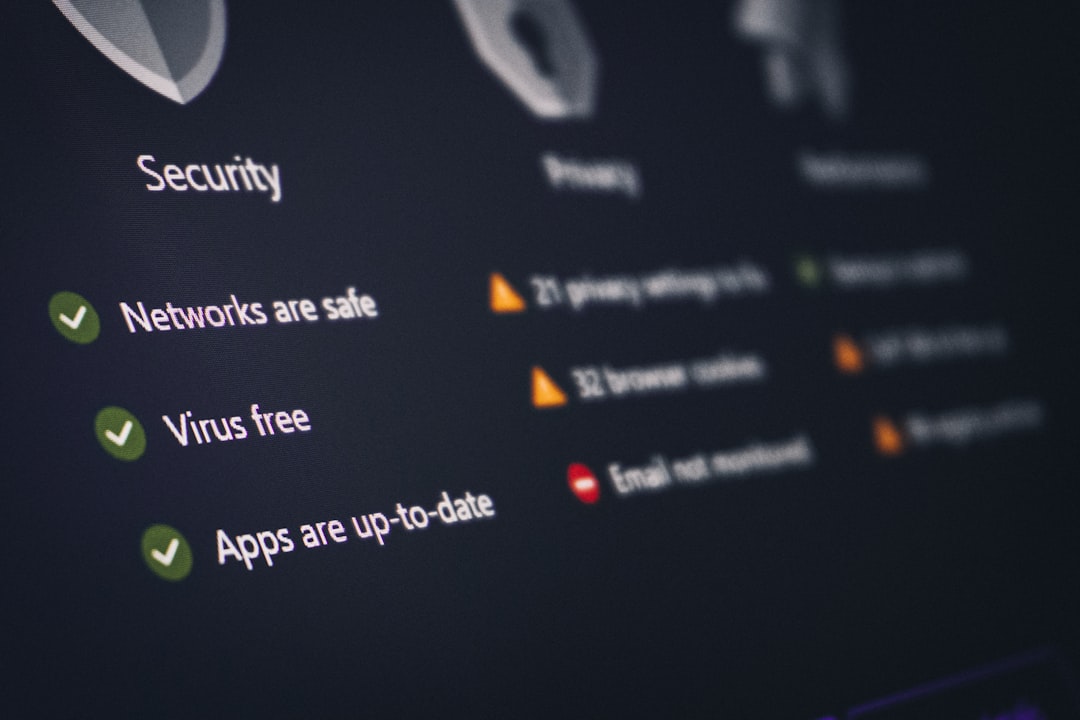
Cybersecurity professionals must adapt to new technologies and understand how to leverage AI effectively.
As the landscape shifts, companies must navigate these regulatory challenges while ensuring they remain competitive. The integration of AI into cybersecurity strategies will be essential for survival in an increasingly hostile digital environment.
The Future of Cybersecurity in an AI-Driven World
Looking ahead, the future of cybersecurity will be defined by the relationship between AI and human intelligence. While AI offers powerful tools for threat detection and response, human oversight remains crucial. Cybersecurity professionals must adapt to new technologies and understand how to leverage AI effectively.
Additionally, the ethical implications of AI use in cybersecurity will continue to be a topic of debate. Questions surrounding privacy, data security, and the potential for AI misuse must be addressed to build public trust. As AI becomes more ingrained in cybersecurity practices, transparency and accountability will be vital.

As organizations grapple with these challenges, they must also consider the implications for their workforce. Upskilling employees to work alongside AI systems will be essential. This shift may lead to new job roles focused on AI oversight and cybersecurity strategy.
The evolving landscape of cybersecurity presents both challenges and opportunities. As AI continues to shape the future of threat detection and response, organizations must remain vigilant and proactive in their efforts to secure their digital assets.
You may also like
HP Integrates Desktop Power into a Keyboard
HP has unveiled its Eliteboard G1a, a compact keyboard that houses a full desktop computer, changing how we think about workspaces.
Read More →As AI continues to shape the future of threat detection and response, organizations must remain vigilant and proactive in their efforts to secure their digital assets.
The question remains: how will businesses adapt to the rapidly changing cybersecurity landscape? The next few years will be critical in determining whether organizations can effectively leverage AI to enhance their defenses against increasingly sophisticated cyber threats.
Sources: Bloomberg, Bbc.