New York, USA — Nikhil Kamath, co-founder of Zerodha, has stirred controversy once again with his remarks about MBA education. Speaking at the Columbia India Business Conference, Kamath reiterated his 2025 statement that pursuing an MBA at 25 years old is foolish. This comment has reignited the debate on the…
New York, USA — Nikhil Kamath, co-founder of Zerodha, has stirred controversy once again with his remarks about MBA education. Speaking at the Columbia India Business Conference, Kamath reiterated his 2025 statement that pursuing an MBA at 25 years old is foolish. This comment has reignited the debate on the relevance of traditional degrees in today’s rapidly evolving job market.
The Evolving Job Market: Skills Over Degrees
Kamath’s assertion that an MBA is outdated highlights a growing sentiment among young professionals and entrepreneurs. He argues that real-world skills and experience are far more valuable than formal education. This perspective resonates with many, particularly in tech and startup circles, where practical skills often outweigh academic credentials.
According to a report by the Economic Times, companies are focusing on candidates who demonstrate practical abilities, particularly in fields like technology and data analytics. This trend is evident as organizations adapt to rapid technological advancements and changing consumer demands.
The Rise of Online Learning and Its Impact
The rise of online learning platforms has democratized access to knowledge. Individuals can now acquire skills through various courses without the need for a traditional degree. This change is particularly appealing to younger generations who seek flexible and cost-effective ways to enhance their employability.
As reported by News18, Nikhil Kamath’s statement that “if you are 25 & you’re doing an MBA, you’re an idiot” has sparked a significant debate. This viewpoint challenges the conventional wisdom that an MBA is essential for career advancement.
Individuals can now acquire skills through various courses without the need for a traditional degree.
Critics of Kamath’s stance argue that while skills are crucial, degrees still hold significant value, especially for those from middle-class backgrounds. An MBA can provide access to elite networks and opportunities that might otherwise be unavailable. This perspective highlights the divide between those who have the means to pursue higher education and those who do not.
Furthermore, a report from Bloomberg emphasizes the importance of credentials in certain industries. While tech startups may prioritize skills, traditional sectors like finance and consulting often still require formal degrees for entry-level positions. This discrepancy raises questions about the long-term implications of Kamath’s viewpoint.
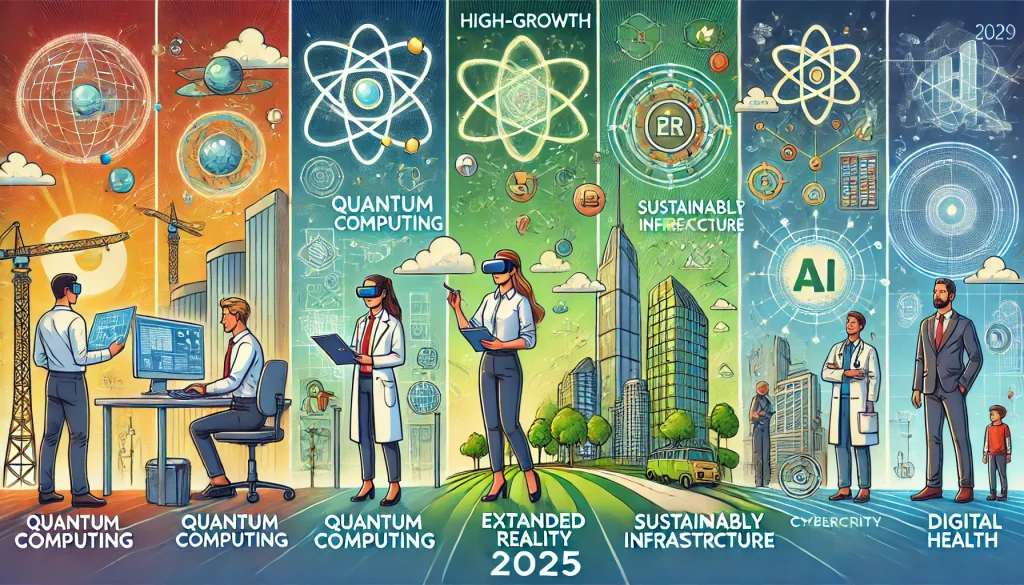
Explore five high-growth careers poised to redefine the job market in 2025. From quantum computing and extended reality to green technology and digital health, find…
As the debate continues, the future of education and employment remains uncertain. The World Economic Forum predicts that by 2025, 85 million jobs may be displaced due to automation, while 97 million new roles could emerge that require a different set of skills. This shift necessitates a reevaluation of how we approach education and training.
Many educational institutions are beginning to adapt. Programs that emphasize practical skills, internships, and real-world experience are becoming more common. For instance, universities are partnering with companies to provide students with hands-on training and networking opportunities, bridging the gap between education and employment.
However, the challenge lies in ensuring that these programs remain accessible to all students, regardless of their financial background. As Kamath pointed out, the cost of an MBA can be prohibitive, often exceeding ₹2.5 crore for international degrees. This raises concerns about equity in education and the potential for widening the gap between the privileged and underprivileged.
For instance, universities are partnering with companies to provide students with hands-on training and networking opportunities, bridging the gap between education and employment.
Moreover, as AI and automation continue to evolve, the demand for specialized skills is expected to grow. A report by the Economic Times highlights that sectors like artificial intelligence, machine learning, and data science are increasingly seeking candidates with specific skill sets rather than traditional degrees. This trend suggests a potential shift in hiring practices across various industries.
Implications for Young Professionals and Educational Institutions
The ongoing debate about the value of MBAs and degrees versus skills has significant implications for young professionals. As they navigate their career paths, understanding the evolving job market is crucial. The emphasis on skills may lead to a rethinking of the traditional education system, pushing students to seek practical experiences alongside their studies.
Furthermore, as companies continue to prioritize skills, young professionals may need to adapt quickly. Continuous learning and upskilling will be essential to remain competitive in the job market. This shift underscores the importance of being proactive in one’s career development, seeking opportunities for growth and learning outside of formal education.
Colleges are experiencing major shifts in racial demographics, particularly among Black and Hispanic students, due to recent admissions policy changes.
This shift underscores the importance of being proactive in one’s career development, seeking opportunities for growth and learning outside of formal education.
Ultimately, the question remains: will traditional degrees continue to hold value in the future, or will skills reign supreme? As the landscape of work changes, both individuals and educational institutions will need to adapt to ensure they meet the demands of the modern economy.




 Career Guidance
Higher Education