No products in the cart.

Robotaxi companies won and the New Career Landscape
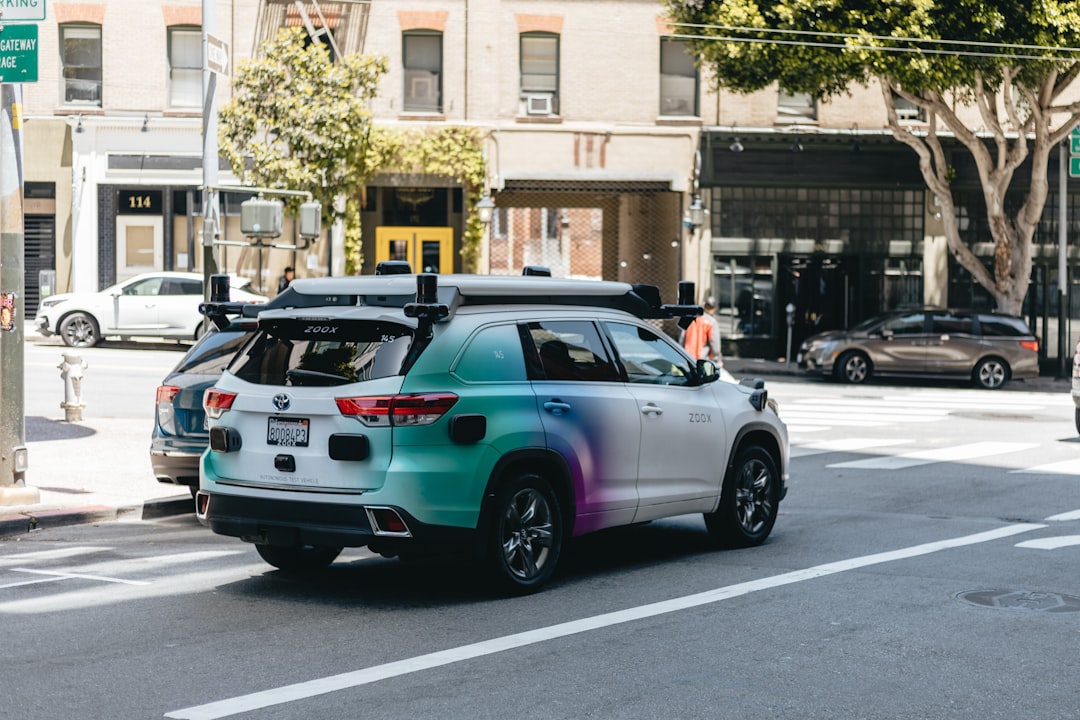
Robotaxi companies are under scrutiny for their reliance on remote operators who assist in the operation of autonomous vehicles. Senator Ed Markey is demanding transparency regarding the frequency of these interventions, following safety incidents that have raised concerns about self-driving technology.

City, Country — Robotaxi companies are facing increased scrutiny regarding their use of remote operators who intervene in the operation of autonomous vehicles. Senator Ed Markey (D-MA) has called for transparency from these companies, demanding to know how often remote assistance is required. This investigation follows a series of safety incidents that have raised concerns about the reliability of self-driving technology.
The investigation began after a February hearing where Markey questioned representatives from major companies like Waymo and Tesla. During this session, it was revealed that Waymo employs remote agents based overseas, including in the Philippines. The senator’s inquiries have highlighted the need for clear regulations governing the use of remote assistance in autonomous vehicles.
As the technology behind robotaxis continues to evolve, the role of remote operators is becoming increasingly critical. These operators step in to assist vehicles that encounter problems, but the lack of transparency regarding their interventions raises significant safety concerns.
Remote Assistance: Qualifications and Concerns
According to recent reports, Waymo has a substantial number of remote agents who do not hold U.S. driver’s licenses. This raises questions about the qualifications of those monitoring American roads. The company claims that these remote operators are essential for the safe operation of its vehicles, acting as a safety net when the technology encounters issues. However, Waymo has not disclosed how often these operators intervene, leading to public skepticism about the safety of their autonomous systems.
As the technology behind robotaxis continues to evolve, the role of remote operators is becoming increasingly critical.
In contrast, Tesla has also admitted to utilizing remote operators but maintains that most of its vehicles still have safety drivers present. Tesla’s director of public policy, Karen Steakley, stated that remote assistance is a last resort, only used in critical situations. This approach aims to mitigate risks and enhance safety for passengers and pedestrians alike. However, the disparity in how these companies utilize remote assistance has sparked debate among industry experts. Some argue that relying on remote operators can undermine public trust in autonomous technology, raising questions about the readiness of the technology for widespread deployment.
You may also like
 Career Advice
The Art of Inquiry: Smart Questions for Interns to Ask Executives
Asking thoughtful questions can elevate an intern's career. Discover key questions to ask executives for deeper learning and connection.
Read More →The safety incidents associated with remote operators further complicate this narrative. For instance, a Waymo vehicle in Austin, Texas, was involved in an incident where it drove past a stopped school bus, reportedly due to incorrect information from a remote assistant. Such events highlight the potential dangers of remote oversight and the need for stringent regulations.
Regulatory Landscape and Industry Responses
Senator Markey has expressed concern over what he describes as a “stunning lack of transparency” from robotaxi companies. He argues that clear regulations are necessary to ensure the safety of these vehicles and the public. The current lack of disclosure regarding the frequency of remote interventions complicates efforts to assess the safety and reliability of autonomous vehicles. Markey emphasized that without transparency, it is difficult to build public trust in these technologies.
In response to Markey’s inquiries, companies like Waymo and Tesla have defended their use of remote operators. They argue that these workers provide an essential layer of safety, helping to manage situations that the technology cannot handle independently. However, the reluctance to disclose how often these interventions occur raises questions about accountability. As the industry grapples with these challenges, it is clear that public perception of autonomous vehicles is at stake. Trust in this technology hinges on transparency and accountability. If consumers feel that robotaxis are not as safe as advertised, it could hinder the adoption of autonomous vehicles in the broader market.
Moreover, the regulatory landscape is evolving. As lawmakers push for more stringent rules, companies will need to adapt their practices to comply with new standards. This shift could lead to significant changes in how remote assistance is implemented in the future.
They argue that these workers provide an essential layer of safety, helping to manage situations that the technology cannot handle independently.
Future Implications for Robotaxi Operations
The ongoing scrutiny of robotaxi companies underscores the growing pains of the autonomous vehicle industry. As technology advances, the role of remote operators will likely continue to evolve. Companies may need to invest in more robust training programs and ensure that their remote workers meet stringent qualifications. The demand for transparency will likely shape the future of autonomous vehicles. Companies that prioritize clear communication about their practices may gain a competitive edge in a market increasingly focused on safety and reliability.
You may also like
 Education
Andhra Pradesh Aims to Become India’s Frontier Tech Hub by 2030
Andhra Pradesh aims to establish itself as India’s center for frontier technologies like AI, blockchain, and quantum computing by 2030, leveraging higher education reforms and…
Read More →Furthermore, as public awareness of these issues grows, consumers may demand more information about how robotaxis operate. This could lead to greater pressure on companies to disclose their operational data, including the frequency of remote interventions. In this rapidly changing landscape, the balance between innovation and safety will be crucial. The need for comprehensive regulations governing remote assistance in autonomous vehicles is becoming increasingly urgent as the technology continues to develop.