In a food tech landscape often described as a “startup graveyard,” Chef Robotics has emerged as a notable success story. Founded by Rajat Bhageria, the company has successfully navigated the pitfalls that have claimed many of its competitors, such as Chowbotics and Zume. While these companies faltered under the weight of their ambitions, Chef Robotics has not only survived but thrived, marking a significant milestone in its journey.
Chef Robotics has shifted its focus from fast-casual dining to large-scale food manufacturing, a strategic pivot that has allowed it to serve enterprise clients like Amy’s Kitchen and one of the largest school lunch providers in the United States. Recently, the company announced it has surpassed 100 million servings—a remarkable achievement that underscores its innovative approach to food production.
At the core of Chef Robotics’ success is its use of AI-powered robotic arms, designed to streamline food production and enhance efficiency. By automating labor-intensive tasks, the company addresses the labor shortages that have plagued the food industry, especially during the pandemic. This technology is not merely about replacing human labor; it aims to enhance productivity and ensure consistency in food quality.
Innovative Solutions for a Complex Problem
Chef Robotics’ technology is equipped with sophisticated AI algorithms that enable its robotic arms to handle various food types, a crucial capability in a market where precision and adaptability are essential. Initially targeting fast-casual restaurants, the company quickly recognized that the real opportunity lay in food manufacturing. This strategic pivot has positioned Chef Robotics as a leader in integrating artificial intelligence with culinary processes, allowing it to cater to a broader range of customers.
At the core of Chef Robotics’ success is its use of AI-powered robotic arms, designed to streamline food production and enhance efficiency.
The milestone of 100 million servings is significant not only for Chef Robotics but also for the food industry at large. It highlights the potential of automation in addressing ongoing challenges in food production, particularly in large-scale settings. The data generated from these servings is being fed back into the company’s AI models, further improving their efficiency and capability. As noted by Aetos, this feedback loop is essential for refining technology to meet the evolving demands of the food industry.
Challenges and Contradictions in the Industry
 Entrepreneurship & Business
Give BrewDog ‘second chance’ says new owner as it invests £50m
Tilray's CEO, Irwin Simon, emphasized the need for a second chance for BrewDog, urging customers and stakeholders to support the brand's revival.
Read More →Despite its success, Chef Robotics operates in an industry fraught with challenges. The food tech sector has witnessed numerous startups fail, raising questions about the viability of automation in food production. Critics argue that while automation can enhance efficiency, it may also lead to job losses and a decline in food service quality. Bhageria himself acknowledges the difficulties faced by the industry, citing examples like Chowbotics, which was acquired and later shut down by DoorDash, and Zume, a $400 million attempt to disrupt pizza delivery that collapsed in 2023.
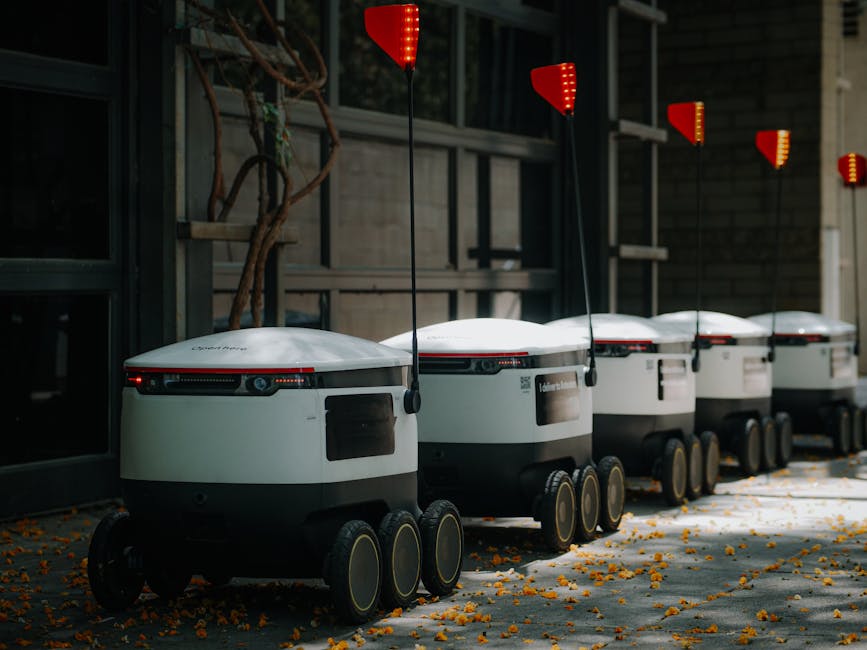
Moreover, the inherent nature of food—being slippery and malleable—poses unique challenges for robotic handling. Chef Robotics must continuously refine its technology to overcome these hurdles. The company’s commitment to innovation is evident in its plans to expand into smaller kitchens and ghost kitchens, which could further diversify its client base. As reported by Hashe, these expansions are part of a strategic move to adapt to changing consumer preferences and operational needs.
As Chef Robotics looks to the future, it faces the dual challenge of scaling its operations while maintaining quality and efficiency. The potential for growth is immense, but the company must navigate the complexities of the food industry, including regulatory hurdles and shifting consumer preferences. Insights from Prnewswire emphasize the importance of staying ahead of these challenges to ensure long-term success.
The potential for growth is immense, but the company must navigate the complexities of the food industry, including regulatory hurdles and shifting consumer preferences.
Skills, Hiring, and Opportunity Outlook
The future of Chef Robotics appears promising as it continues to innovate and adapt to the changing landscape of food production. With plans to expand into new markets, including airline catering and ghost kitchens, the company is poised to capture a larger share of the food automation market. As demand for automated solutions in food production grows, Chef Robotics is well-positioned to lead the charge. Its focus on AI and robotics not only addresses current labor shortages but also sets the stage for a new era of food production that prioritizes efficiency and sustainability.
In conclusion, Chef Robotics exemplifies how a company can thrive in a challenging industry by embracing innovation and adapting to market needs. As it continues to refine its technology and expand its offerings, Chef Robotics is not just surviving; it is thriving, paving the way for the future of food automation. The journey of Chef Robotics serves as a case study for other startups in the food tech space, illustrating the importance of strategic pivots and the integration of advanced technology in overcoming industry challenges.

Written by Career Ahead AI. AI can make mistakes, so verify key facts. Report errors to support@careeraheadonline.com.