No products in the cart.

Texas Considers Required Reading List for Schools, and the New Career Landscape

Texas is making headlines with its proposal to include the Bible in a new required reading list for schools. This initiative, led by state education officials, aims to overhaul the English and social studies curriculum across the state. The plan has sparked significant debate about the role of religious texts…

Texas is making headlines with its proposal to include the Bible in a new required reading list for schools. This initiative, led by state education officials, aims to overhaul the English and social studies curriculum across the state. The plan has sparked significant debate about the role of religious texts in public education and the implications for students and teachers alike.
The Texas State Board of Education is considering this change as part of a broader effort to revise educational standards. The proposal suggests that the Bible be included alongside classic literary works in an effort to promote understanding of cultural and historical influences. As the largest Republican-led state in the U.S., Texas often sets trends that other states may follow.
Supporters argue that including the Bible in the curriculum will provide students with a deeper understanding of Western literature and ethics. They believe that many historical documents and literary references are rooted in biblical texts, making it essential for students to engage with these works. However, critics raise concerns about the separation of church and state, fearing that this could lead to the promotion of specific religious beliefs in public schools.
Mixed Reactions from Educators and Parents
The push for a required reading list has been met with mixed reactions from educators and parents. Some teachers welcome the idea, seeing it as an opportunity to enrich the curriculum with diverse texts. Others, however, worry about the potential backlash and the challenges of teaching a religious text in a secular environment. According to a recent report by the New York Times, nearly 60% of Texas residents support the inclusion of the Bible in school curriculums, reflecting a significant segment of the population that values religious education. This support could influence how school boards approach curriculum changes in the future. However, the debate also highlights the divisions within the state regarding education and religious values.
They believe that many historical documents and literary references are rooted in biblical texts, making it essential for students to engage with these works.
Critics of the proposal, including some educators and advocacy groups, argue that the Bible’s inclusion could alienate students from diverse religious backgrounds. They emphasize the importance of maintaining a secular educational environment that respects all beliefs. The Texas Freedom Network, a watchdog organization, has expressed concerns that this move could set a precedent for further religious encroachments in public schools, potentially undermining the principle of separation of church and state.
You may also like
 Education
JNU Leadership Rustication: Implications for Student Governance
JNU's rustication of its student union leadership over alleged vandalism has significant implications for student governance and activism.
Read More →Broader Implications for Society and Education
The potential integration of the Bible into school curricula could have far-reaching effects on the educational landscape. It raises critical questions about the balance between educational content and the promotion of religious beliefs. As states grapple with these issues, the role of public education in fostering inclusivity and diversity will come under scrutiny.
Moreover, the discussion surrounding this initiative reflects wider societal trends regarding the intersection of religion and education. As communities become more diverse, the challenge lies in creating an educational system that respects various beliefs while providing a comprehensive education. The Texas proposal, if implemented, could inspire similar initiatives in other states, potentially leading to a wave of educational reforms across the country. This could reshape how literature and history are taught in American schools, raising questions about the future of public education.

In addition to educational implications, this proposal could influence political dynamics in Texas. As the state continues to evolve, the decisions made by the State Board of Education may impact future elections and policy-making. Candidates may leverage this issue to galvanize support or opposition, further entrenching the divide between different political and social groups.
As the debate unfolds, it will be essential to monitor how this proposal develops and how it is received by various stakeholders, including educators, parents, and students. The outcomes could set a precedent for how religious texts are treated in public education across the nation.
This could reshape how literature and history are taught in American schools, raising questions about the future of public education.
The inclusion of the Bible in school curricula could affect future generations’ understanding of literature and ethics. It may shape the values imparted to students and influence their perspectives on religion and culture. The Texas proposal raises significant questions about educational content and the role of religion in public schools. As debates continue, the decisions made today may have lasting impacts on the educational framework and societal values in the years to come.
You may also like
 Business Innovation
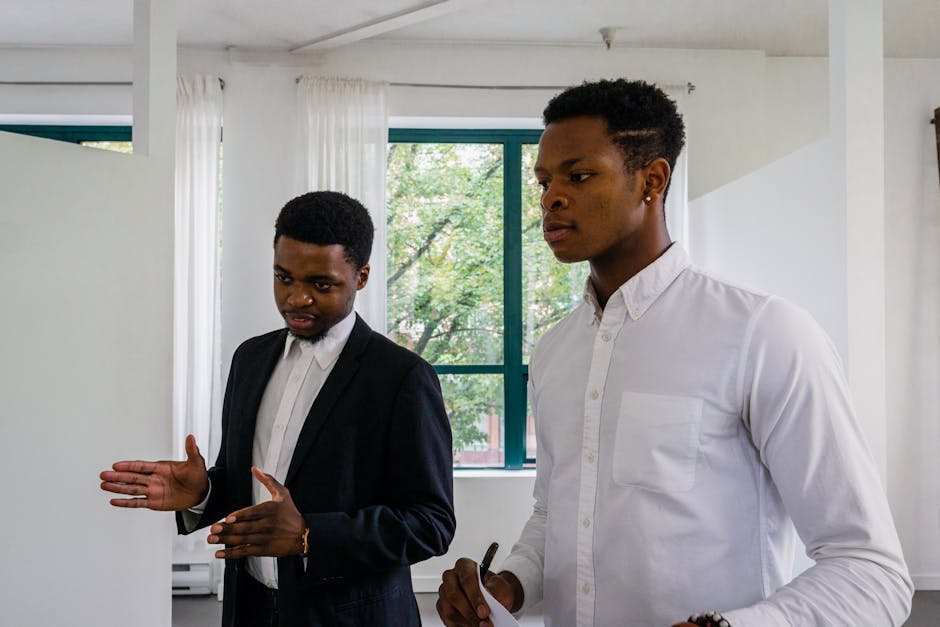
Khosla, Ribbit Back College Dropouts’ Startup Slash at $1.4 Billion Valuation
Slash Financial Inc., founded by two 24-year-old college dropouts, has achieved a $1.4 billion valuation, aiming to disrupt the financial services sector and compete with…
Read More →As Texas moves forward with this initiative, the eyes of the nation will be watching. Will other states follow suit, or will this proposal face significant pushback? The outcome of this debate could redefine the relationship between education and religion in America, making it a pivotal moment in public discourse.