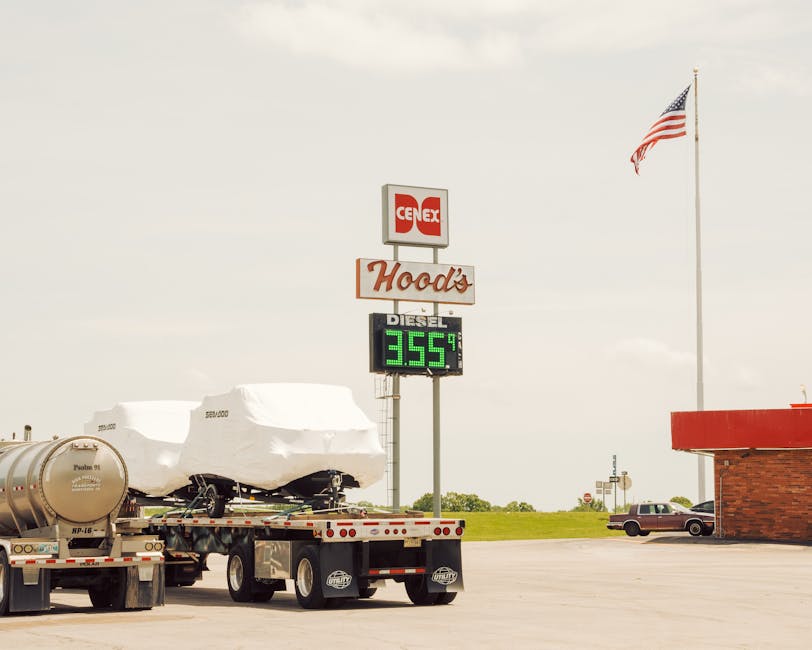
Washington, US — Supply chains in the United States are once again under significant pressure, mirroring the challenges faced in 2022. The current spike in diesel prices, driven by geopolitical tensions and rising transport costs, is exacerbating existing supply chain woes. According to a recent report, diesel prices have surged over the past five weeks, causing concern among logistics providers and manufacturers alike.
As of early April 2026, the average price of diesel fuel has climbed to levels not seen since the previous supply chain crisis. This increase directly impacts transportation costs, forcing many companies to reconsider their logistics strategies. The implications of these rising costs are profound, affecting everything from consumer goods to industrial supplies.
The current situation is reminiscent of the supply chain disruptions experienced during the pandemic. At that time, businesses struggled to maintain inventory levels, leading to delays and shortages across various sectors. Now, as diesel prices rise, companies may face similar challenges, prompting fears of renewed inflationary pressures.
Economic Consequences of Rising Diesel Prices
The surge in diesel prices is not just a logistical issue; it has broader economic implications. Rising transport costs can lead to higher prices for goods, contributing to inflation. This inflationary trend can reduce consumer spending, which is critical for economic growth. If consumers are faced with higher prices at the pump and for everyday goods, they may cut back on discretionary spending.
Moreover, the trucking industry, which heavily relies on diesel fuel, is feeling the pinch. Companies are reporting tighter margins as fuel costs climb. Many are forced to pass these costs onto consumers, leading to a potential slowdown in demand. This cycle can create a ripple effect throughout the economy, impacting everything from manufacturing to retail.
Some businesses might consider shifting to electric vehicles or optimizing their logistics networks to mitigate fuel costs.
Discover how electric aviation and urban micro-mobility innovations are transforming transportation and what it means for the future of work and travel.
Additionally, the rising costs may prompt companies to explore alternative transportation methods or supply chain strategies. Some businesses might consider shifting to electric vehicles or optimizing their logistics networks to mitigate fuel costs. However, such transitions require time and investment, which may not be feasible for all companies.
The Federal Reserve is closely monitoring these developments. If inflation continues to rise due to increased transportation costs, it may lead to tighter monetary policy, which could further strain economic growth. The delicate balance between controlling inflation and supporting economic recovery is becoming increasingly challenging.
Geopolitical Tensions and Supply Chain Risks
The recent spike in diesel prices can be largely attributed to geopolitical tensions, particularly in the Middle East. Ongoing conflicts have disrupted oil supplies, leading to higher crude oil prices and, consequently, increased diesel costs. This situation highlights the vulnerabilities in the US supply chain, which relies heavily on stable energy prices.
Companies that depend on diesel for transportation are now reassessing their supply chain strategies in light of these geopolitical uncertainties. Diversifying energy sources and exploring alternative routes may become necessary to mitigate risks. Furthermore, businesses may need to invest in technology to improve supply chain visibility and resilience.
According to a report by Bloomberg, the current geopolitical landscape is reminiscent of previous supply chain crises where external factors significantly impacted domestic logistics. The reliance on a global supply chain makes the US economy susceptible to international disruptions. As such, companies are urged to develop contingency plans to prepare for potential future shocks.
Furthermore, businesses may need to invest in technology to improve supply chain visibility and resilience.
GitHub’s recent algorithm tweak has cut visibility for many open‑source projects, sparking a demand for transparency that could reshape the platform’s dominance.
Moreover, the government may also play a role in addressing these vulnerabilities. Increased investment in domestic energy production and infrastructure may help stabilize supply chains in the long term. However, such initiatives take time and require bipartisan support, which can be challenging in the current political climate.
Workforce Challenges Amid Supply Chain Strain
The rising costs associated with strained supply chains are also likely to impact the workforce. As companies face tighter margins, they may resort to cost-cutting measures, including layoffs or reduced hours. This situation can lead to job insecurity for workers in the logistics and transportation sectors, which have already been under pressure.
Additionally, as companies explore new technologies and alternative transportation methods, there may be a growing demand for skilled workers in these areas. The shift towards electric vehicles and advanced logistics solutions could create new job opportunities, but it also requires a workforce equipped with the necessary skills. Education and training programs will need to adapt to prepare workers for these emerging roles.
The future of US supply chains remains uncertain. While some companies may successfully adapt to the current challenges, others may struggle to keep pace. The potential for renewed inflation and economic slowdown looms large, raising questions about the overall health of the economy.
The ability of businesses to adapt to changing circumstances will determine their success in this complex environment.
As the situation evolves, stakeholders must remain vigilant. The interplay between rising diesel prices, geopolitical tensions, and economic growth will shape the landscape of US supply chains in the coming months. Will companies find innovative solutions to navigate these challenges, or will they succumb to the pressures of rising costs?
As we move forward, the resilience of the US supply chain will be tested once more. The ability of businesses to adapt to changing circumstances will determine their success in this complex environment.



Innovation

 Business
 News
News