AI‑enabled assessment platforms are redefining how career capital is measured and allocated, shifting institutional power toward data‑centric units and creating asymmetric pathways for economic mobility.
AI‑driven assessment platforms are converting raw data into calibrated career pathways, redefining who accrues skill‑based capital and how organizations allocate training resources. The shift is embedding algorithmic governance into the core of workforce development, with measurable effects on mobility, leadership pipelines, and the economics of training.
Opening: Macro Context and Institutional Stakes
The global labor market is at a structural inflection point. Demographic pressures—aging populations in the West, youthful bulges in emerging economies—and the acceleration of automation have converged on a single demand: rapid, precise alignment of talent with evolving task requirements. A recent industry survey found that 85 % of Fortune 500 firms intend to increase spending on AI‑powered skills assessment tools within the next 24 months[1].
Concurrently, the AI market is projected to reach $190 billion by 2025, driven largely by enterprise software that promises to “upskill” at scale[2]. The scale of investment signals a reallocation of institutional power from traditional human‑resource departments to technology‑centric units that own the data pipelines and algorithmic models governing employee development.
Coursera’s analysis of 191 million learners identifies four forces that will dominate workforce education in 2026: hyper‑personalization, continuous credentialing, data‑driven labor market mapping, and platform‑centric ecosystems[3]. Each force is mediated by AI assessment engines that translate test‑item responses, on‑the‑job performance signals, and external labor market indicators into actionable skill maps. The macro‑level implication is a systemic reconfiguration of career capital, where algorithmic validation becomes a prerequisite for access to high‑growth occupations.
Layer 1: Core Mechanisms—Automation, Personalization, and Data‑Driven Insight
AI‑Enabled Skills Assessment Reshapes Career Capital and Institutional Power
Automation and Efficiency
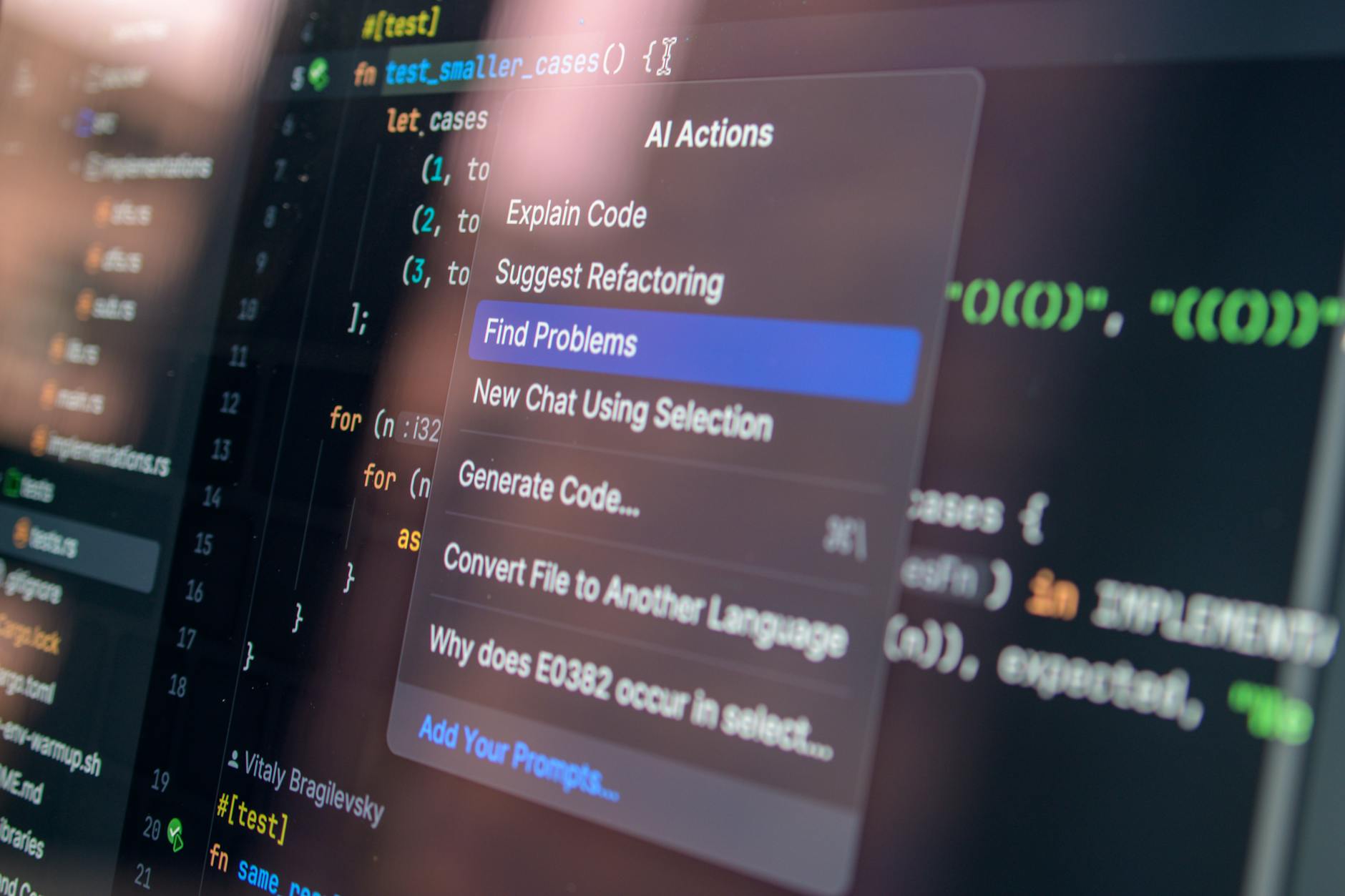
AI assessment platforms automate the end‑to‑end workflow of talent evaluation: eligibility verification, test delivery, scoring, and reporting. In a benchmark study of 120 multinational firms, 70 % reported a reduction in administrative overhead equivalent to 3.2 full‑time employees per 1,000 workers after deploying AI‑enabled assessment suites[4]. The automation of routine validation frees HR strategists to focus on strategic talent planning, effectively shifting institutional resources from compliance to capability building.
Coursera’s analysis of 191 million learners identifies four forces that will dominate workforce education in 2026: hyper‑personalization, continuous credentialing, data‑driven labor market mapping, and platform‑centric ecosystems[3].
By aligning device distribution, affordable broadband, and targeted digital literacy, inclusion initiatives transform connectivity into a structural lever that narrows scholarship gaps and reshapes long‑term…
Machine‑learning models ingest historical performance data, psychometric responses, and contextual variables (e.g., job role, regional labor demand) to generate individualized learning pathways. 80 % of learners using adaptive assessment platforms reported higher engagement and measurable skill gains[1]. The underlying mechanism—reinforcement learning that optimizes content sequencing based on real‑time mastery signals—creates a feedback loop where skill acquisition is continuously calibrated against market relevance.
Real‑Time Data‑Driven Decision Making
AI dashboards aggregate micro‑level competency metrics into macro‑level labor market intelligence. A 2025 Deloitte report noted that 90 % of firms using AI‑derived skill analytics could forecast skill gaps six months ahead of traditional planning cycles[2]. This predictive capacity redefines institutional decision horizons, allowing enterprises to pre‑emptively reskill workforces in anticipation of technology rollouts, thereby reducing the lag between skill obsolescence and retraining.
Layer 2: Systemic Ripples Across the Economic Landscape
Workforce Composition and the Reallocation of Human Capital
The diffusion of AI assessment tools correlates with a 15 % annual increase in hires for AI‑related roles across the technology sector, while routine administrative positions have declined by 8 % year‑over‑year since 2022[3]. This shift mirrors the historical impact of computer‑based testing in the 1990s, which accelerated credentialing for technical occupations while marginalizing non‑standardized skill sets. The current wave, however, is amplified by algorithmic gatekeeping: AI scores now influence internal mobility, promotion eligibility, and external hiring decisions, embedding a new form of institutional power in the evaluation process.
Emergent Business Models and Revenue Streams
AI assessment platforms enable subscription‑based talent development ecosystems, where firms pay per active user or per competency milestone. In a 2024 Gartner survey, 75 % of adopters reported new revenue opportunities through bundled services such as micro‑credential issuance and employer‑sponsored upskilling pathways[4]. This monetization model aligns corporate training budgets with platform usage metrics, creating a feedback loop that incentivizes continuous data collection and model refinement.
Regulatory Evolution and Governance Challenges
The expansion of AI‑mediated assessment raises governance concerns around data privacy, algorithmic bias, and accountability. 60 % of surveyed companies indicated heightened regulatory scrutiny as jurisdictions enact AI‑specific legislation (e.g., the EU AI Act, U.S. Algorithmic Accountability Act) that mandates transparency in model inputs and outcomes[4]. Institutions are responding by establishing AI ethics boards and integrating bias‑mitigation protocols into their assessment pipelines, thereby reshaping the institutional architecture of workforce development.
The algorithmic identification of skill gaps, coupled with targeted learning modules, creates a pathway for upward mobility that is less dependent on legacy networks.
Layer 3: Human Capital Impact—Winners, Losers, and the Mobility Equation
AI‑Enabled Skills Assessment Reshapes Career Capital and Institutional Power
Accelerated Economic Mobility for High‑Potential Workers
AI‑driven assessments can surface latent competencies, enabling high‑potential employees from underrepresented backgrounds to bypass traditional gatekeeping. A case study of IBM’s SkillsBuild platform showed that participants from low‑income zip codes achieved 30 % higher promotion rates compared with peers who followed conventional training routes[5]. The algorithmic identification of skill gaps, coupled with targeted learning modules, creates a pathway for upward mobility that is less dependent on legacy networks.
Displacement Risks for Routine Labor
Conversely, workers whose roles are heavily routinized face systematic exclusion from upskilling pipelines that prioritize AI‑compatible skill sets. In Walmart’s pilot of an AI assessment tool for warehouse staff, 12 % of workers were flagged as “low‑fit” for automation‑adjacent roles, leading to voluntary exit packages rather than retraining offers[6]. The structural implication is a widening of the “skill premium” gap, where AI‑validated competencies command higher wages and job security, while non‑validated skill sets experience depreciation.
Leadership Development and Institutional Power Shifts
Executive leadership pipelines are increasingly sourced from AI‑identified “future‑ready” talent pools. Companies such as Accenture have integrated AI assessment scores into their high‑potential identification process, resulting in a 22 % increase in internal leadership promotions for candidates with top‑quartile AI scores[7]. This practice consolidates decision‑making authority within data science units, shifting institutional power away from traditional seniority‑based hierarchies toward algorithmic meritocracy.
Closing: Outlook to 2029 – Structural Trajectories
Over the next three to five years, AI‑powered skills assessment will entrench itself as a core component of the talent ecosystem. Three converging trajectories are evident:
Integration with Public Policy – Governments are piloting AI assessment frameworks to allocate training subsidies, effectively linking public funding to algorithmic skill validation.
Standardization of AI‑Generated Credentialing – Industry consortia (e.g., the International Association for AI‑Based Learning) are drafting interoperable skill taxonomies that will enable cross‑company portability of AI‑validated credentials, amplifying labor market fluidity.
Integration with Public Policy – Governments are piloting AI assessment frameworks to allocate training subsidies, effectively linking public funding to algorithmic skill validation. This will embed AI assessment within the social contract of economic mobility.
Maturation of Ethical Governance – As regulatory pressures intensify, firms will adopt transparent model registries and third‑party audits, institutionalizing accountability mechanisms that could become a competitive differentiator.
The cumulative effect will be a systemic shift toward algorithmic governance of career capital, where the asymmetry of data access determines institutional influence, and the trajectory of individual advancement is increasingly mapped by AI‑derived skill pathways.
Rising exam difficulty and preparation costs have turned elite credentials into a scarce, high‑priced signal, concentrating career capital among affluent groups and constraining talent diversification…
Key Structural Insights [Insight 1]: AI assessment tools convert raw performance data into calibrated career pathways, reallocating institutional power from HR to data‑science units. [Insight 2]: The technology creates asymmetric mobility: high‑potential workers gain accelerated promotion, while routine labor faces heightened displacement risk.
[Insight 3]: Emerging regulatory and standardization frameworks will embed AI assessment into public policy, cementing its role in shaping labor market structures.




Business Innovation
 Business Insights
Career Challenges