No products in the cart.

Oil and gas crisis from Iran war and the New Career Landscape in 2022
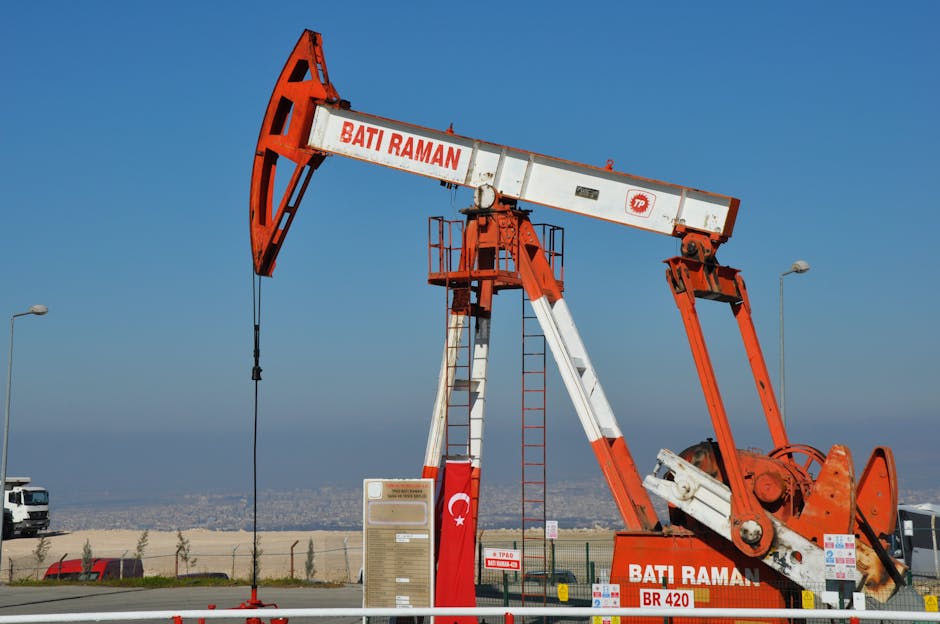
The ongoing conflict in the Middle East has led to a significant oil and gas crisis. The International Energy Agency (IEA) warns that the situation is more severe than the crises of 1973, 1979, and 2022 combined, as tensions escalate between the United States and Iran.

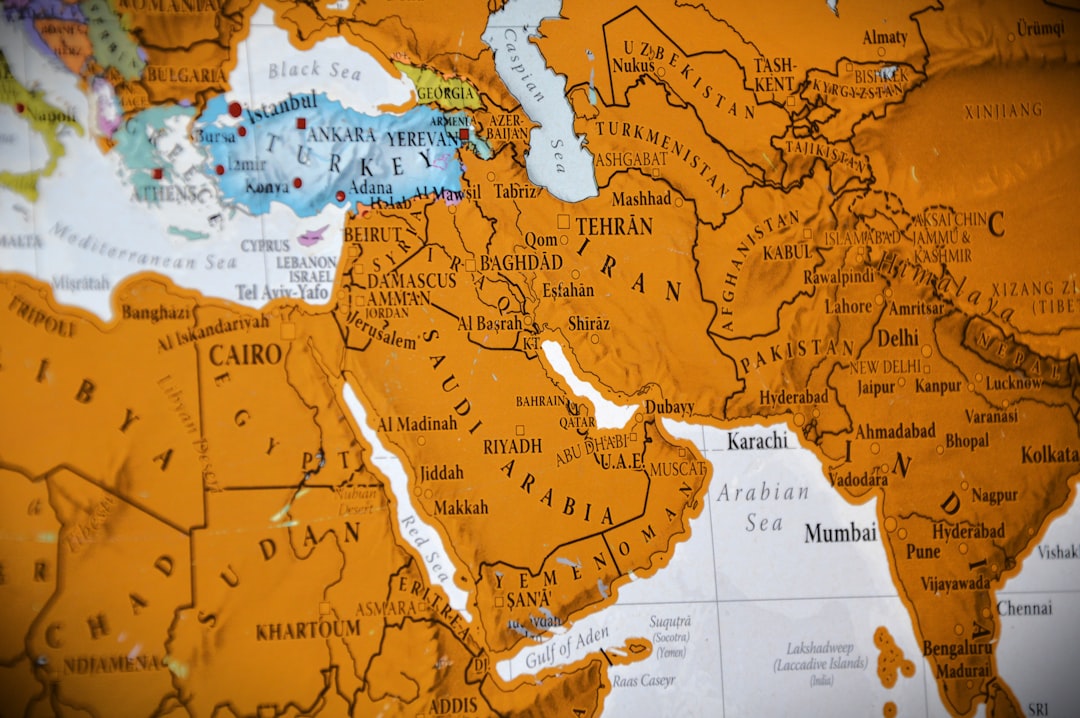
The ongoing conflict in the Middle East has led to a significant oil and gas crisis. According to the International Energy Agency (IEA), the situation is more severe than the crises of 1973, 1979, and 2022 combined. This alarming assessment comes as tensions escalate between the United States and Iran, particularly over the vital Strait of Hormuz.
On April 7, 2026, IEA Executive Director Fatih Birol stated that the blockade of the Strait of Hormuz has triggered a ripple effect across global markets. As oil prices hover around $110 per barrel, investors are increasingly anxious about potential escalations in the conflict. The IEA warns that developing nations will be hit hardest, facing soaring oil and gas prices alongside rising food costs and inflation.
Market Reactions and Economic Consequences
Markets reacted swiftly to the news of rising oil prices and the ongoing conflict. European markets fell sharply, with the FTSE 100 down by 0.84% and Germany’s DAX dropping 1.1%. Wall Street also opened lower, reflecting investor concerns about the potential for further escalation in the region. Analysts are closely monitoring the impact on global inflation and economic growth.
Kristalina Georgieva, head of the International Monetary Fund (IMF), indicated that the war could lead to higher inflation and slower global growth. Before the conflict, the IMF had projected a slight increase in global growth expectations. Now, however, the outlook appears bleak, with rising prices and economic stagnation becoming more likely. The IMF’s recent reports highlight that the ripple effects of the crisis could push inflation rates to levels not seen since the oil shocks of the 1970s, affecting economies worldwide.
Economists warn that the UK is heading towards stagflation, characterized by stagnant economic growth and rising inflation, as business and consumer spending declines.
You may also like
 Social Media
The Evolution of Human Connection: Understanding Trust and Empathy
Delve into the neuroscience of trust and empathy, revealing how our biological makeup shapes human connections in the modern world.
Read More →In the UK, rising fuel prices have already impacted consumers. The RAC reported significant increases in petrol and diesel prices over the Easter weekend, further straining household budgets. Economists warn that the UK is heading towards stagflation, characterized by stagnant economic growth and rising inflation, as business and consumer spending declines. The situation is compounded by the fact that many households are already grappling with the cost-of-living crisis, making the current spike in oil prices particularly painful.
Global Implications of the Crisis
The implications of this crisis extend beyond individual nations. The IEA’s warning highlights the interconnectedness of global energy markets and the potential for widespread economic fallout. Countries reliant on oil imports will face significant challenges, leading to increased costs for consumers and businesses alike. The situation could exacerbate existing economic disparities, particularly in developing nations. According to a report from Bloomberg, emerging markets are already feeling the strain, with investors pulling back amid fears of prolonged instability in the region.
As the conflict continues, the potential for further disruptions remains high. Investors are grappling with uncertainty as they navigate a volatile market landscape. Daniela Hathorn, a senior market analyst at Capital.com, emphasized that the market is currently in a precarious position, with a binary outcome looming: either escalation through direct military action or a last-minute de-escalation that could stabilize prices.
Future Prospects and Diplomatic Efforts
The resolution of this crisis will depend on diplomatic efforts and the willingness of involved parties to negotiate. The looming deadline set by President Trump for Iran to reopen the Strait of Hormuz adds pressure to the situation, raising the stakes for all involved. How this conflict unfolds will be crucial in determining the trajectory of global oil prices and economic stability. The potential for a ceasefire, as indicated by recent discussions, could provide a temporary reprieve, but the underlying tensions are likely to persist.
Countries reliant on oil imports will face significant challenges, leading to increased costs for consumers and businesses alike.
Risks, Trade-Offs, and What Comes Next
The unfolding crisis in Iran and its implications for global oil markets is a critical issue that demands attention. The potential for rising prices and economic instability looms large, with far-reaching effects on consumers and businesses worldwide. Understanding the dynamics of this conflict and its impact on the global economy is essential for navigating the current landscape.
You may also like
 Business
Unpacking the MBA: Myths vs. Reality
Before diving into an MBA program, it's crucial to debunk common myths. What can you really expect from this advanced degree?
Read More →