No products in the cart.

Geopolitical Tensions and AI’s Impact on Financial Markets

This article explores the intricate relationship between AI advancements and geopolitical tensions, analyzing their impact on financial markets.

In the complex landscape of modern finance, geopolitical tensions and advancements in artificial intelligence (AI) are reshaping the dynamics of financial markets. The intersection of these two powerful forces presents both challenges and opportunities for investors and policymakers alike. As nations grapple with conflicts and economic shifts, understanding the implications of AI on market behavior becomes crucial.
Recent events, particularly the ongoing conflict in Iran and its ripple effects on global oil prices, highlight the fragility of market stability. According to the Wharton School’s analysis, geopolitical conflicts can lead to significant fluctuations in financial markets, driven by investor sentiment and economic forecasts. As AI technology evolves, it plays a pivotal role in analyzing these shifts, providing insights that were previously unattainable.
The current landscape illustrates a critical moment where AI not only enhances decision-making processes but also influences market outcomes. Investors must adapt to this new reality, where AI tools can predict market movements based on geopolitical developments. This article explores how these elements interact, shaping the future of finance in profound ways.
Geopolitical Tensions and Market Volatility
Geopolitical tensions have long been a significant factor in financial market volatility. Recent conflicts, particularly in the Middle East, have underscored this reality. The Iran conflict, for instance, has led to concerns about oil supply disruptions, causing prices to surge. The World Bank warns that such tensions can fan inflation and hinder economic growth, particularly in oil-importing countries like Kenya and Ethiopia.
Investors must adapt to this new reality, where AI tools can predict market movements based on geopolitical developments.
Moreover, the response of central banks, such as the Federal Reserve, to these geopolitical events further complicates the financial landscape. As they adjust monetary policy in response to inflationary pressures, markets react accordingly. The interplay between geopolitical events and monetary policy decisions creates a feedback loop that can lead to unexpected market reactions.
AI’s Transformative Role in Finance
You may also like
 Business Innovation
AI‑Powered Predictive Analytics Redefines Campus Mental‑Health Architecture
AI‑driven predictive analytics is transforming campus mental‑health systems from reactive counseling silos into proactive, data‑infused networks, reallocating institutional power and reshaping career capital for clinicians…
Read More →Artificial intelligence is transforming how financial markets operate. With its ability to process and analyze data at unprecedented speeds, AI provides investors with insights that were previously unattainable. This technological advancement allows for real-time analysis of market conditions, enabling quicker decision-making in response to geopolitical events.
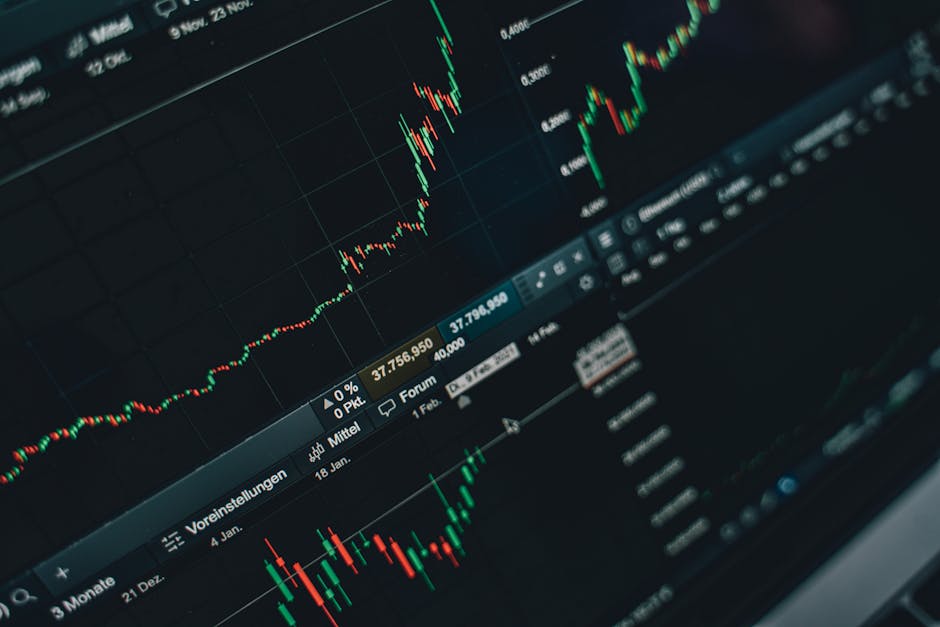
For instance, hedge funds and investment firms are increasingly using AI algorithms to assess risk and identify investment opportunities. According to Bloomberg, these firms leverage AI to analyze news articles, social media sentiment, and market data, providing a comprehensive view of market dynamics. This approach not only enhances investment strategies but also allows firms to react swiftly to geopolitical developments.
However, the integration of AI into financial decision-making is not without its challenges. The reliance on algorithms can lead to systemic risks, particularly if many investors use similar models. This phenomenon can create market distortions, exacerbating volatility during geopolitical crises. As such, a balanced approach that combines human intuition with AI capabilities is essential for effective risk management.
Ethical Considerations and Regulatory Challenges
Despite the advancements in AI and its potential benefits, there are significant contradictions in how these technologies are perceived and utilized. On one hand, AI offers unprecedented analytical capabilities, allowing for better-informed investment decisions. On the other hand, the potential for algorithmic trading to exacerbate market volatility raises concerns among regulators and investors alike.
As such, a balanced approach that combines human intuition with AI capabilities is essential for effective risk management.
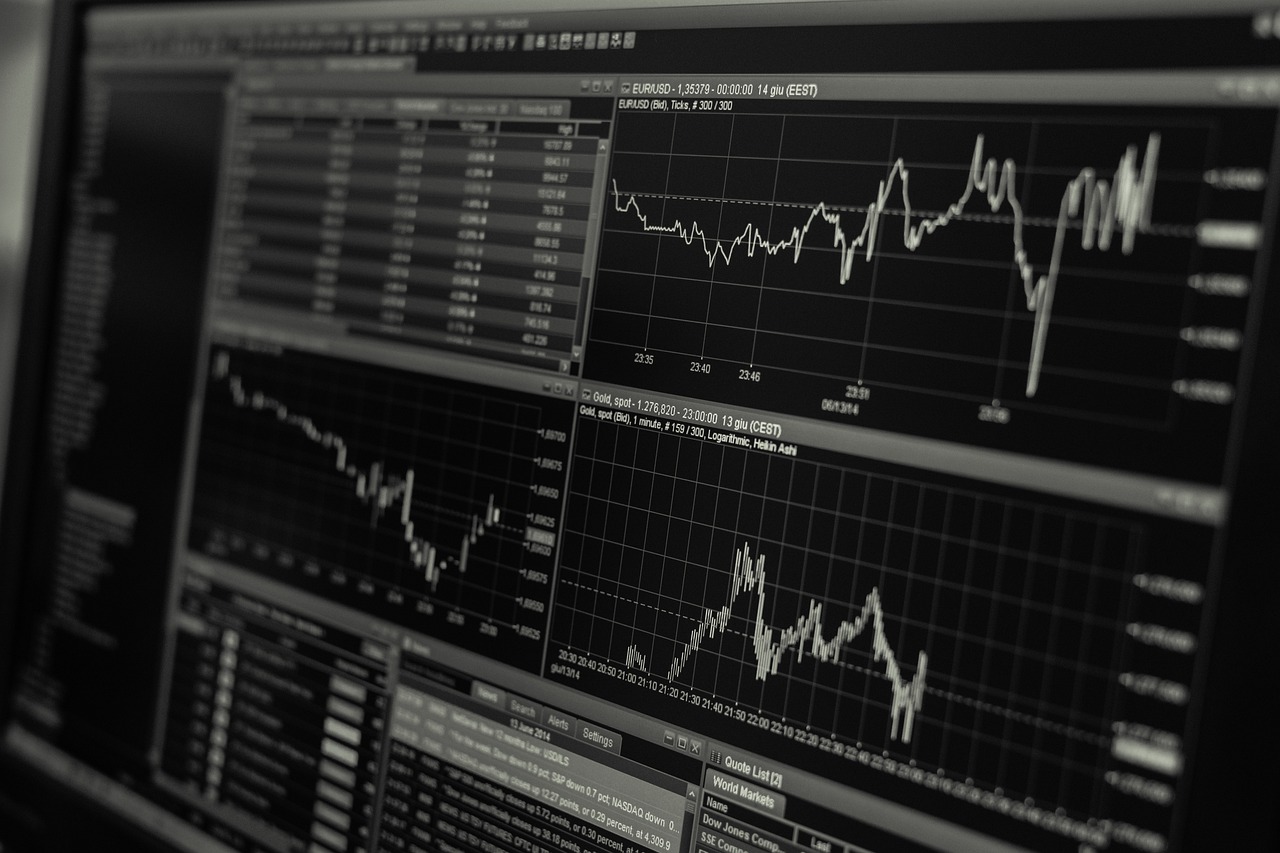
The debate surrounding the ethical implications of AI in finance also persists. As firms increasingly rely on AI for decision-making, questions arise about transparency and accountability. Who is responsible when an algorithm makes a poor investment decision? This ongoing discussion highlights the need for regulatory frameworks that address the unique challenges posed by AI in financial markets.
Preparing for an Evolving Financial Landscape
Looking ahead, the relationship between geopolitics, AI, and financial markets will continue to evolve. As geopolitical tensions remain a constant in global affairs, the role of AI in navigating these challenges will be crucial. Investors who embrace AI technologies while remaining vigilant about their limitations will likely thrive in this dynamic environment.
You may also like
 Business
Corporate Travel’s New Trajectory: How Post‑Pandemic Policies Reshape Career Capital and Institutional Power
Corporate travel policies have evolved from discretionary perks to strategic levers that dictate career trajectories, sustainability compliance, and institutional power balances.
Read More →The next generation of financial professionals will need to develop a keen understanding of both geopolitical trends and AI capabilities. As these forces shape the future of finance, adaptability and continuous learning will be key to success in an increasingly complex market landscape.