No products in the cart.

Google makes it easy to deepfake yourself and the New Career Landscape
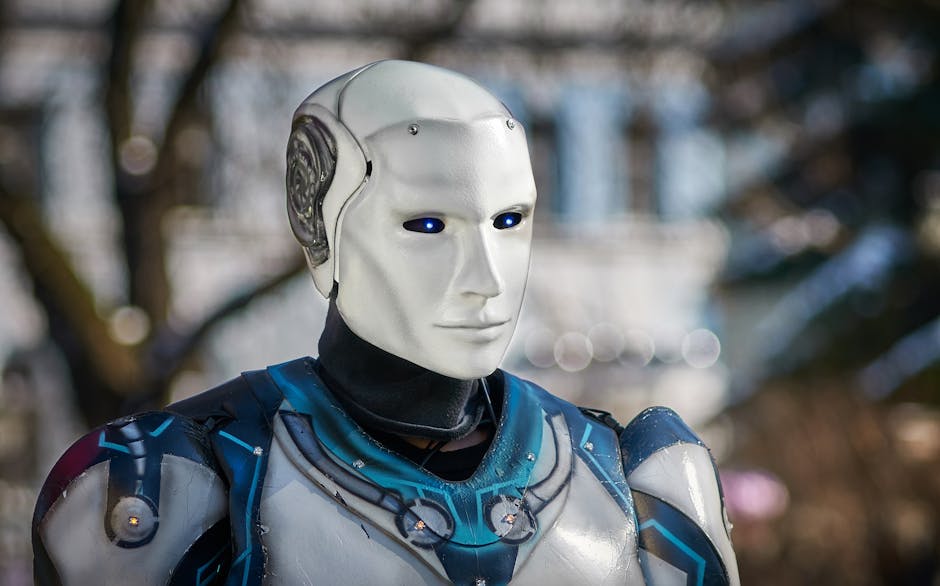
Google is stepping into the future of content creation with a new AI feature that allows users to create deepfake avatars for YouTube Shorts. This tool enables creators to clone themselves on camera, making it easier to produce engaging content. The launch highlights the ongoing evolution of AI in digital…

Google is stepping into the future of content creation with a new AI feature that allows users to create deepfake avatars for YouTube Shorts. This tool enables creators to clone themselves on camera, making it easier to produce engaging content. The launch highlights the ongoing evolution of AI in digital media and the potential for both creativity and misuse.
As of April 9, 2026, YouTube announced that this feature would let users generate realistic digital versions of themselves. These avatars can be inserted into existing videos or used to create entirely new content. With this innovation, Google aims to enhance user experience while also addressing the challenges of AI-generated content.
This move comes amid growing scrutiny of AI technologies and their implications. As creators embrace these tools, questions arise about the authenticity of digital content. The ease of creating deepfakes could lead to a surge in misinformation, posing risks for viewers and content creators alike.
Deepfake Technology: A Double-Edged Sword
The introduction of Google’s AI tool reflects a broader trend in media where technology blurs the lines between reality and fabrication. Deepfake technology has been around for a while, but its accessibility has often been limited to those with technical expertise. Now, with Google’s user-friendly approach, anyone can create realistic representations of themselves.
This democratization of deepfake technology raises significant ethical concerns. For instance, the potential for misuse in creating misleading content is high. As reported by Bloomberg, the rise of AI-generated media has already led to instances of impersonation and scams, which can have serious consequences for individuals and businesses. The implications of such misuse extend beyond personal content creation; they could disrupt industries like advertising and entertainment, where authenticity is paramount.
As reported by Bloomberg, the rise of AI-generated media has already led to instances of impersonation and scams, which can have serious consequences for individuals and businesses.
Moreover, the implications extend beyond personal content creation. Industries such as advertising, entertainment, and education could see transformative shifts. For example, brands might use AI avatars for marketing campaigns, allowing for personalized interactions with consumers. However, this also raises questions about consent and the accuracy of representation.
You may also like
 Career Trends
Swipe Fatigue Sparks a Slow-Dating Surge
Swipe fatigue is pushing young adults toward slow dating, a model that favors thoughtful interaction over endless matches, reshaping the future of online romance.
Read More →As Google rolls out this feature, it must also consider the potential backlash from users and regulators concerned about the ethical use of AI. The balance between innovation and responsibility will be crucial as the company navigates the evolving landscape of digital content.
Wider Implications for the Media Landscape
The launch of Google’s AI tool could reshape the media landscape significantly. As creators adopt this technology, the demand for authentic content might shift. Viewers may start to question the credibility of videos, knowing that deepfakes can easily be produced. According to a report from BBC, the rise of AI in media has already impacted how audiences perceive information. As deepfake technology becomes more mainstream, there is a risk that audiences will become skeptical of all digital content. This skepticism could lead to a decline in trust in media sources, complicating the already challenging environment of information verification.
Furthermore, the implications for policy and regulation are profound. Governments and organizations may need to establish guidelines for the ethical use of AI in content creation. As seen in other regions, such as the European Union, there is a push for stricter regulations on AI technologies to prevent misuse and protect individuals’ rights. The necessity for regulatory frameworks is underscored by the potential for deepfake technology to be weaponized in misinformation campaigns, as highlighted by the challenges faced by platforms like YouTube in managing AI-generated content.
While Google’s innovation offers exciting possibilities for creativity, it also underscores the urgent need for a framework that addresses the ethical implications of deepfake technology. As the landscape evolves, the role of policymakers will be critical in ensuring that advancements do not come at the cost of public trust.

While Google’s innovation offers exciting possibilities for creativity, it also underscores the urgent need for a framework that addresses the ethical implications of deepfake technology.
Why This Matters to You
As a consumer or creator, understanding the impact of deepfake technology is essential. The ability to create realistic digital avatars can enhance content creation but also raises concerns about authenticity. Being aware of these developments will help you navigate the changing media landscape.
You may also like
 Agriculture
Navigating Market Awareness for Career Advancement
Market awareness is a vital skill for career advancement. This article explores its impact on professional growth and strategic decision-making.
Read More →In the coming months, as more creators adopt this technology, the conversation around digital ethics will likely intensify. The balance between innovation and responsible use of AI will be a focal point for discussions among creators, consumers, and regulators.

Looking ahead, how will society adapt to the challenges posed by deepfake technology? Will we see a new standard for verifying digital content? The answers to these questions will shape the future of media and our interactions with technology.