No products in the cart.

Revamping Education: CBSE’s New Curriculum for 2026
The CBSE is set to implement significant curriculum reforms in 2026, focusing on AI, skill education, and mental health. These changes aim to enhance students' learning experiences and prepare them for future challenges.

New Delhi, India — The Central Board of Secondary Education (CBSE) has announced a comprehensive revamp of its curriculum for the 2026 academic year. This overhaul aims to align educational practices with modern requirements, emphasizing practical skills, mental health, and the integration of technology. The changes reflect a shift away from rote learning towards a more holistic approach to education, preparing students for a rapidly changing world.
Starting in the 2026-27 academic session, CBSE will implement reforms across classes 6 to 10. These changes are designed to reduce exam pressure and foster a deeper understanding of subjects. The introduction of Artificial Intelligence (AI) and Computational Thinking into the curriculum is a significant step towards preparing students for a tech-driven future.
Major Changes in Curriculum Structure
One of the most notable changes in the CBSE curriculum is the introduction of skill education as a compulsory subject from classes 6 to 8. In classes 9 and 10, skill education, art education, and physical education will also be mandatory. This shift aims to equip students with practical skills that are essential for future employment and vocational pathways. The focus on skill education is expected to enhance students’ employability by providing them with hands-on experience in various fields.
Moreover, the evaluation process will undergo significant changes. Students in class 10 will now have two opportunities to take board examinations, with the first exam scheduled between February and March and a second optional exam in May. This new system allows students who may not perform well in the first exam to have a second chance to improve their scores, ultimately reducing the pressure associated with a single examination.
This shift aims to equip students with practical skills that are essential for future employment and vocational pathways.
Emphasis on Mental Health and Well-Being
Recognizing the importance of mental health in education, CBSE will provide psycho-social counseling services to students starting in 2026. This initiative aims to help students cope with exam stress, anxiety, and other mental health challenges. By prioritizing mental well-being alongside academic performance, CBSE seeks to create a supportive environment that fosters holistic development.
You may also like
 Artificial Intelligence
Emerging Trends in the Health Sector: Insights from the NHS
Discover the latest trends and insights from the NHS that are shaping the future of healthcare delivery and policy.
Read More →The emphasis on mental health is particularly relevant in today’s educational landscape, where students face increasing pressures. Integrating mental health support into the education system can significantly improve students’ overall well-being and academic performance. This proactive approach reflects a growing recognition of the need for comprehensive support systems within schools.
Integration of Technology in Learning
CBSE plans to implement an on-screen marking system for assessments. This digital evaluation method aims to minimize human errors and expedite the grading process, ensuring that students receive timely results. The move towards digital solutions is part of a broader trend in education, where technology plays a crucial role in enhancing learning and administrative efficiency.
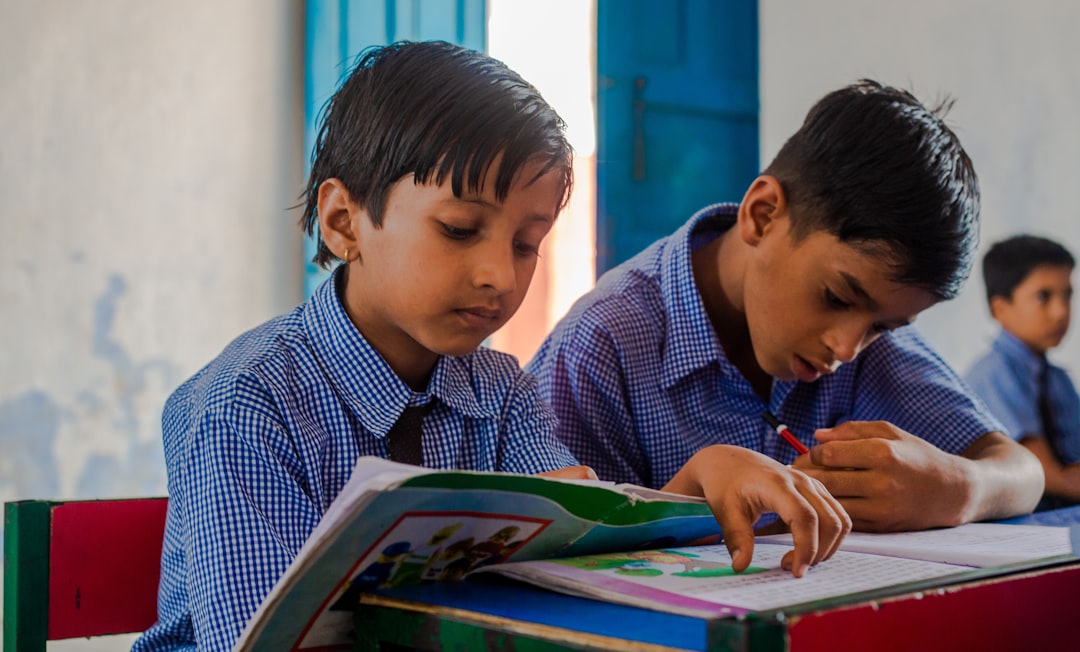
Additionally, the new curriculum aligns with the National Education Policy (NEP) 2020, which advocates for understanding-based learning and creativity. By incorporating innovative teaching methods and focusing on student engagement, CBSE aims to cultivate a generation of learners who are not only knowledgeable but also adaptable and resilient.
Implications for Students and Educators
The changes in the CBSE curriculum will have far-reaching implications for students and educators alike. For students, the emphasis on skill education and mental health support means a more balanced approach to learning. They will be better equipped to navigate the challenges of the future job market, which increasingly values practical skills and emotional intelligence.
For students, the emphasis on skill education and mental health support means a more balanced approach to learning.
Educators will also need to adapt to these changes, requiring professional development and training to effectively implement the new curriculum. Teachers will play a crucial role in facilitating this transition, and structured training programs will be essential to ensure that educators are prepared to deliver the revised curriculum effectively.
You may also like
 Business Insights
Why Founders Should Embrace Engineering Mindsets
Discover how founders can leverage engineering principles to enhance decision-making and drive business success.
Read More →As the 2026 academic year approaches, the question remains: will these changes effectively prepare students for the future? The success of CBSE’s curriculum revamp will depend on the commitment of educators, students, and policymakers to embrace this new educational paradigm.