No products in the cart.

Bureaucratic Hurdles Challenge Trump’s AI Chip Export Ambitions
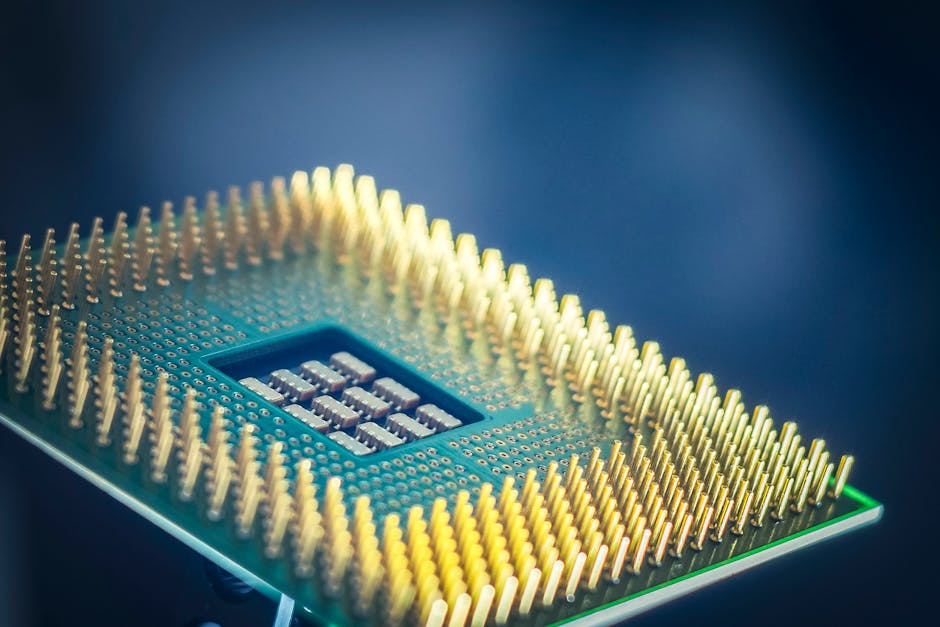
Trump's initiative to boost AI chip exports is hindered by licensing issues and bureaucratic delays, raising concerns about the future of tech sales.

Washington, D.C. — President Donald Trump’s initiative to significantly increase global sales of American AI chips is facing serious challenges. Bureaucratic hurdles, including licensing bottlenecks and staffing shortages at the federal agency responsible for overseeing tech exports, threaten to undermine this ambitious goal. This situation has raised concerns among industry leaders about the future of U.S. technology sales abroad.
According to a report from Bloomberg, the federal agency tasked with managing these exports is experiencing significant delays due to a lack of policy direction and staffing attrition. The agency has struggled to keep up with the rapid pace of technological advancements in AI, leading to increased frustration among manufacturers and exporters eager to capitalize on the growing global demand for AI technologies.
The implications of these bureaucratic delays are profound. Companies that rely on timely export approvals are now facing uncertainty, which could impact their bottom lines and market competitiveness. The AI chip market is estimated to be worth billions, and any slowdown in exports could hinder the U.S. from maintaining its leadership position in this critical sector.
Effects on the Tech Sector
The tech industry is particularly sensitive to delays in export approvals. Many companies have invested heavily in research and development, aiming to bring innovative AI solutions to market. However, the current bureaucratic bottlenecks could prevent these products from reaching international customers in a timely manner.
Many companies have invested heavily in research and development, aiming to bring innovative AI solutions to market.
You may also like
 Career Trends
The U.S. Job Market Transformation Post-Pandemic
The pandemic has fundamentally altered the U.S. job market, reshaping employment trends and the future of work.
Read More →Industry experts have noted that the delays are not just affecting large corporations; smaller tech firms are also feeling the pinch. Startups that rely on foreign markets to grow their businesses may find themselves at a disadvantage if they cannot secure the necessary export licenses. This could stifle innovation and limit the diversity of solutions available in the global market.
As reported by the Economic Times, the integration of AI in various sectors, including education and healthcare, is rapidly evolving. However, if U.S. firms cannot export their cutting-edge technologies, other countries may fill the void, potentially leading to a loss of market share for American companies. The competitive landscape is shifting, and U.S. firms must navigate these challenges to remain relevant.
Furthermore, ongoing geopolitical tensions, especially with countries like China, add another layer of complexity to the situation. The U.S. government has imposed restrictions on technology exports to certain nations, complicating the export process even further. This dynamic creates a challenging environment for companies seeking to expand their global footprint.
Economic Consequences of Delays
The ramifications of these bureaucratic delays extend beyond the tech industry. The U.S. economy relies heavily on technology exports, and any slowdown can have cascading effects on job creation and economic growth. According to Bloomberg, the AI chip market is a vital component of the broader tech ecosystem, contributing significantly to GDP.
This economic ripple effect could lead to a decrease in consumer spending, which is crucial for sustained economic growth.
Moreover, as companies face delays in exporting their products, they may be forced to scale back operations or delay hiring plans. This could lead to job losses in a sector that has been a major driver of employment growth in recent years. The uncertainty surrounding export approvals could also deter investment in new technologies, further stalling innovation.
You may also like
 Career Advice
Building Confidence: The Art of Self-Presentation
Building confidence is essential, but how do we avoid arrogance? This guide explores practical frameworks to enhance self-presentation and overcome imposter syndrome.
Read More →Additionally, the potential for increased inflation due to supply chain disruptions cannot be overlooked. As companies struggle to get their products to market, prices may rise, impacting consumers and businesses alike. This economic ripple effect could lead to a decrease in consumer spending, which is crucial for sustained economic growth.
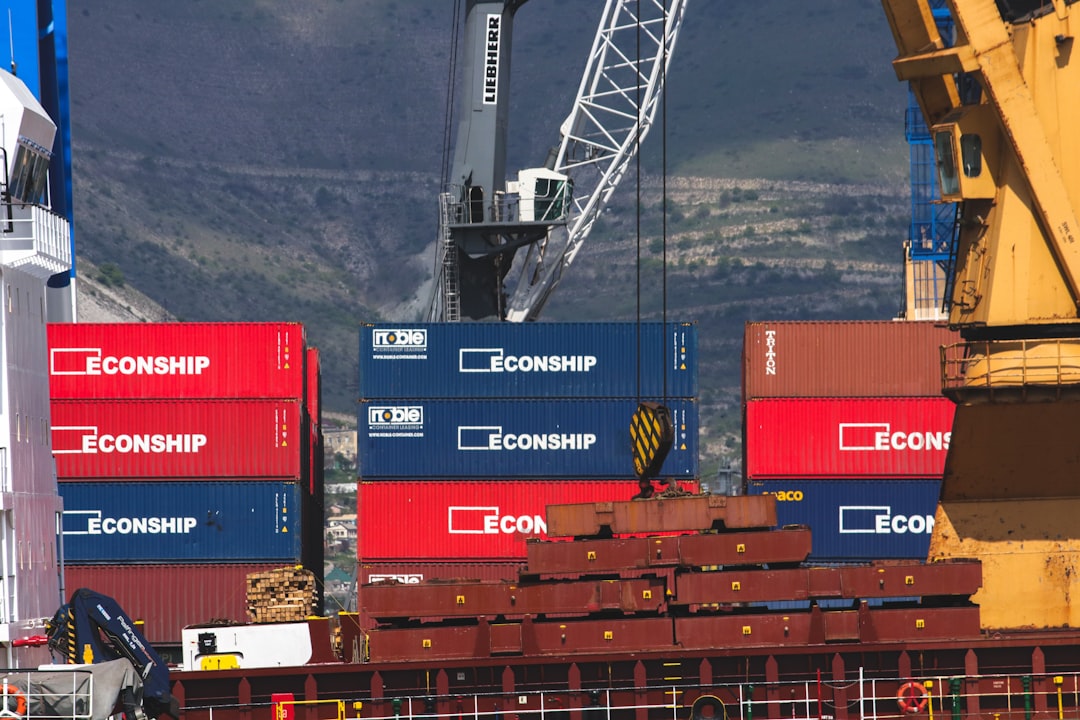
As the situation unfolds, policymakers will need to address these bureaucratic challenges to ensure that the U.S. remains competitive in the global tech landscape. The stakes are high, and a failure to act could have long-lasting repercussions for the economy.
Future of AI Technology Exports
This is crucial for maintaining the country’s leadership in AI technology.
The challenges facing Trump’s AI chip export initiative highlight the need for a more streamlined approach to technology exports. As the demand for AI solutions continues to grow, it is essential for the U.S. government to facilitate the export process rather than hinder it. This is crucial for maintaining the country’s leadership in AI technology.
Moreover, the rise of AI-powered threats in cybersecurity underscores the importance of timely access to advanced technologies. Companies must be able to innovate rapidly to address these emerging threats. Any delays in exporting AI technologies could leave businesses vulnerable to attacks, highlighting the urgent need for a proactive approach to technology governance.
You may also like
 Competitive Exams
JEE Main 2026 Session 2: Key Dates and Payment Details
Get ready for JEE Main 2026 Session 2 with essential dates and payment information. Don't miss out on your chance to excel!
Read More →
The resolution of these bureaucratic challenges will be critical for the future of the AI chip market. As companies await clearer guidelines and faster processing times for export licenses, the industry will be watching closely. The ability to navigate these hurdles will determine which companies emerge as leaders in the global AI landscape.
This situation is a pivotal moment for the U.S. tech industry, and its resolution could shape the future of AI technology on a global scale.