No products in the cart.

Boeing and the New Career Landscape
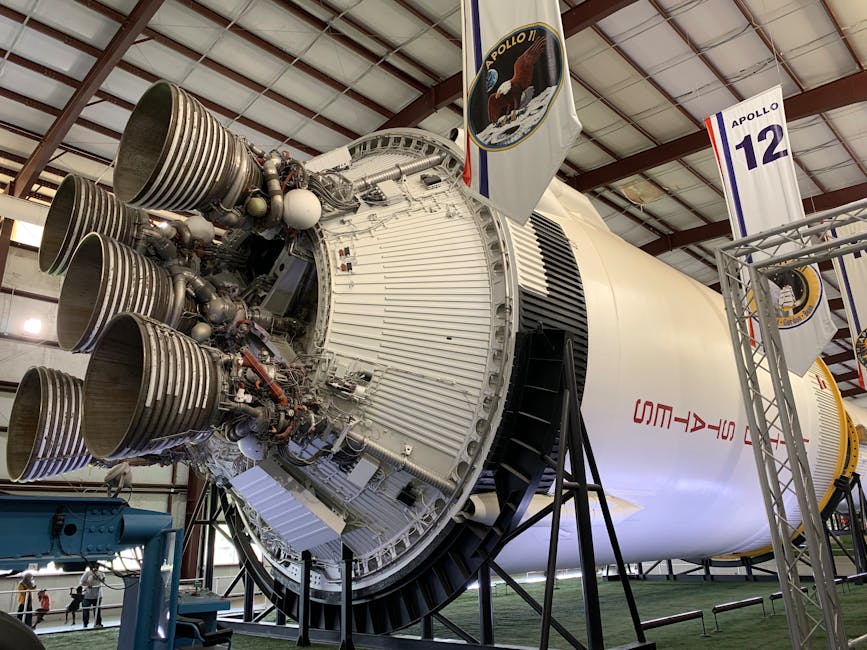
Washington, US — Boeing's ambitious moon rocket program is facing an uncertain future as NASA shifts its focus under the Trump administration. The Artemis program, which aims to return humans to the moon by 2028, has been a cornerstone of NASA's plans. However, recent developments suggest that Boeing's Space Launch…



Washington, US — Boeing’s ambitious moon rocket program is facing an uncertain future as NASA shifts its focus under the Trump administration. The Artemis program, which aims to return humans to the moon by 2028, has been a cornerstone of NASA’s plans. However, recent developments suggest that Boeing’s Space Launch System (SLS) may not be the only option for the agency.
NASA’s recent decision to explore alternatives has left many questioning the viability of Boeing’s SLS. The rocket successfully launched astronauts to new heights in space, but the Trump administration’s interest in seeking competitive bids raises concerns about the future of Boeing’s role in lunar exploration. As the agency looks to cut costs and improve efficiency, the SLS’s future hangs in the balance.
According to reports from Bloomberg, the Trump administration is considering partnerships with private companies to replace or enhance the capabilities of Boeing’s SLS. This shift reflects a broader trend in the aerospace industry, where competition is becoming increasingly fierce. With companies like SpaceX and Blue Origin making significant strides in rocket technology, Boeing faces mounting pressure to justify its position as a key player in the space race.
Political Implications of NASA’s Shift
The shift in NASA’s strategy has significant political implications as well. The Trump administration’s push for competition aligns with its broader goals of privatizing certain aspects of space exploration. By encouraging private companies to take a more prominent role, the administration aims to stimulate innovation and reduce costs.
The outcome of this debate will shape the future of NASA’s partnerships and funding strategies.
This political maneuvering has sparked debate among lawmakers and industry experts. Some argue that increased competition could lead to faster advancements in space technology, while others express concern that it may undermine established programs like Boeing’s SLS. The outcome of this debate will shape the future of NASA’s partnerships and funding strategies.
Furthermore, the administration’s focus on cost-effectiveness may lead to a reevaluation of existing contracts, including those with Boeing. As NASA seeks to allocate resources more efficiently, companies that can deliver results at a lower cost may find themselves in a more favorable position.
You may also like
 Business Insights
Becoming a School Counsellor in Australia: A Comprehensive Guide | Career Outlook
This guide details the essential steps to becoming a school counsellor in Australia, emphasizing educational pathways, key skills, and the increasing need for mental health…
Read More →As the administration navigates these changes, the implications for Boeing are profound. The company must adapt to a rapidly evolving landscape where its traditional dominance in aerospace is being challenged. Failure to innovate and respond to market demands could jeopardize its standing in the industry.
Public Sentiment and Future Prospects
Public sentiment surrounding space exploration plays a crucial role in shaping policy decisions. As NASA grapples with its future direction, public interest in space missions remains high. The Artemis program has garnered significant attention, with many Americans eager to see a return to the moon.
However, uncertainty about Boeing’s role could impact public support. If the administration pivots away from established players in favor of newer companies, it may lead to skepticism among those who have long supported Boeing’s endeavors. This shift could influence funding decisions and affect the overall perception of the space program.
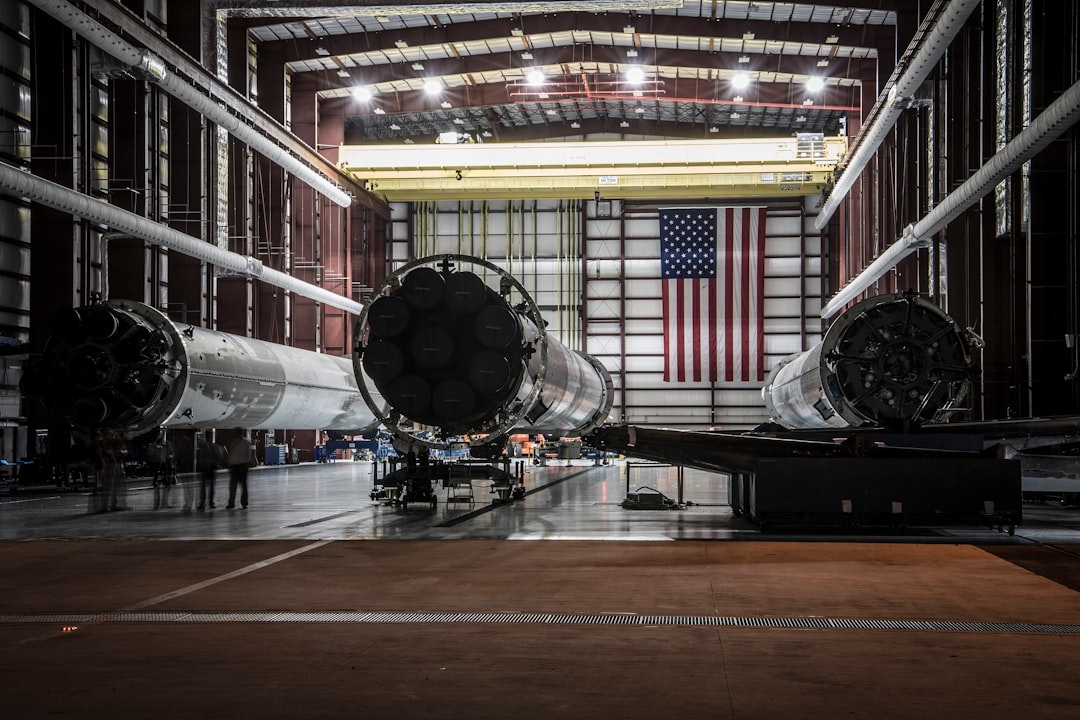
Moreover, the public’s enthusiasm for space exploration is often linked to national pride. As other nations make strides in space technology, the U.S. must demonstrate its commitment to remaining a leader in the field. The administration’s decisions regarding NASA’s partnerships will be closely watched, as they will ultimately shape the trajectory of American space exploration.
Public Sentiment and Future Prospects Public sentiment surrounding space exploration plays a crucial role in shaping policy decisions.
Looking ahead, the future of Boeing’s moon rocket program remains uncertain. As NASA explores new partnerships and considers alternatives, the company must navigate a complex landscape of competition, political pressures, and public expectations. The outcome of these developments will have lasting implications for the aerospace industry and the future of human spaceflight.
You may also like
 Education
Cambridge University Expands India Outreach with New Research Hub
Cambridge University has launched a new research hub in India, aimed at fostering innovation and collaboration between the UK and India's growing knowledge economy.
Read More →As the situation evolves, one question looms large: Can Boeing adapt quickly enough to maintain its position in an increasingly competitive space landscape?
In addition, the recent article from BBC highlights that soaring pump prices and inflation are affecting the broader economy, which could indirectly impact funding for NASA and its projects. As the economic landscape shifts, the agency’s budgetary constraints may force it to reconsider its commitments to existing contracts, including those with Boeing. This economic backdrop adds another layer of complexity to the already uncertain future of the SLS program.