No products in the cart.

Uttarakhand High Court Demands Action on Unpaid Teacher Salaries
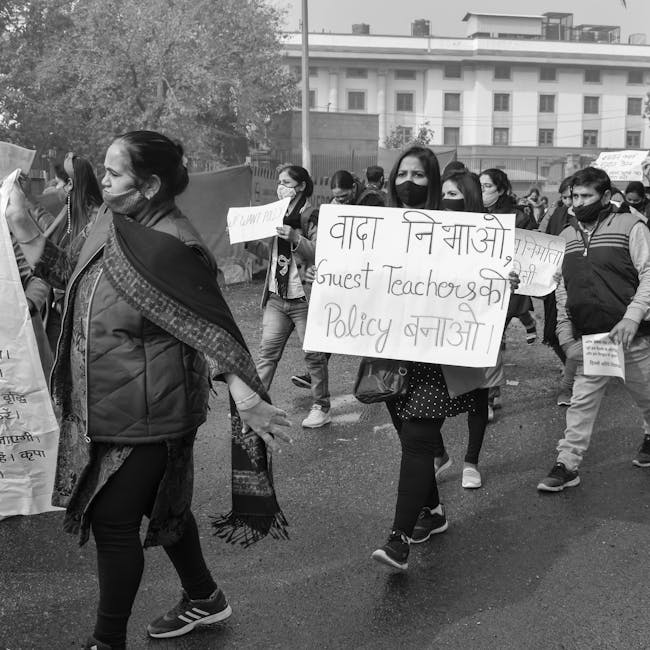
The Uttarakhand High Court is pressing the state government to address the unpaid salaries of teachers at colleges affiliated with Hemvati Nandan Bahuguna Garhwal University, raising concerns over educational funding and governance.

Dehradun, India — The Uttarakhand High Court has ordered the state government to respond to a pressing issue regarding unpaid salaries for teachers at eight colleges affiliated with Hemvati Nandan Bahuguna Garhwal University (HNBGU). This directive comes amid growing concerns over the financial stability of educational institutions and the well-being of faculty members who have not received their salaries for the past five years.
The court’s intervention highlights significant governance issues within the state’s higher education system. Justice Alok Kumar Verma, presiding over the case, expressed frustration over the state’s failure to comply with previous orders aimed at resolving salary irregularities. The court has given the state government a two-week deadline to clarify its position on the matter, emphasizing the urgency of the situation.
Teachers and staff at these institutions have reported receiving their salaries inconsistently, with payments sometimes delayed for up to six months. This has led to protests and heightened tensions among faculty members, who are demanding accountability and timely remuneration.
Origins of the Salary Dispute
The ongoing salary dispute stems from a complex interplay of state and central government responsibilities. According to court documents, a meeting in 2024 between state officials, the central government, and representatives from HNBGU resulted in an agreement that the state would be responsible for salary payments while the court case was pending. However, the state government has since argued that the issue falls under the jurisdiction of a central university, complicating the resolution process.
Teachers and staff at these institutions have reported receiving their salaries inconsistently, with payments sometimes delayed for up to six months.
In their petition, the teachers highlighted that the lack of salary payments contradicts the agreements made in the 2024 meeting. They pointed out that the state had previously committed to ensuring timely payments, but this commitment has not been honored. The court’s recent actions underscore the legal and ethical obligations of the state to fulfill its promises to educators.
You may also like
 Software Engineering
Exploring the Future of Metaverse Therapy: A New Frontier in Mental Health
Metaverse therapy is revolutionizing mental health care by integrating VR and AI technologies. This new approach offers innovative solutions for therapy and wellness.
Read More →The affected colleges include notable institutions such as DAV PG College and Guru Ram Rai College, which play crucial roles in the region’s educational landscape. The implications of this salary dispute extend beyond individual faculty members, affecting the quality of education and student outcomes at these colleges.

Consequences for Educational Funding
The Uttarakhand High Court’s ruling is significant not only for the teachers involved but also for the future of higher education funding in the state. As educational institutions grapple with financial constraints, the court’s demand for accountability could set a precedent for other states facing similar issues. If the state fails to comply, it may prompt further legal actions and increased scrutiny of educational funding practices.
This case may influence discussions on the allocation of resources within the education sector. As the government seeks to improve educational outcomes, ensuring that teachers receive fair compensation is critical. The court’s involvement may catalyze reforms aimed at addressing salary disparities and ensuring that educational institutions are adequately funded.
Moreover, unpaid salaries can lead to decreased job satisfaction and increased turnover, ultimately affecting the quality of education provided to students. Educational institutions must prioritize stable employment conditions to attract and retain qualified educators.
Consequences for Educational Funding The Uttarakhand High Court’s ruling is significant not only for the teachers involved but also for the future of higher education funding in the state.
Broader Implications for Governance
The ongoing scrutiny of the state’s actions may lead to increased public awareness and advocacy for educators’ rights. As teachers continue to push for fair treatment, the outcome of this case could galvanize broader movements aimed at improving conditions within the education sector.
As similar issues arise across various states, the outcomes of this case could influence national discussions on educational governance and funding. Policymakers may be prompted to reevaluate existing regulations governing higher education funding to prevent similar situations in the future.
You may also like
 Artificial Intelligence
University Townships To AI Labs: Budget 2026 Bridges Education-Employability Gap
Budget 2026 aims to bridge the gap between education and employability through significant investments in university townships and AI labs.
Read More →
The resolution of this case may set important precedents for how educational funding is handled across India, raising critical questions about the balance of responsibilities between state and central governments in managing educational institutions.