No products in the cart.

Campus Mental Health Reimagined: How Peer‑Led Support Is Reshaping Institutional Power and Career Capital
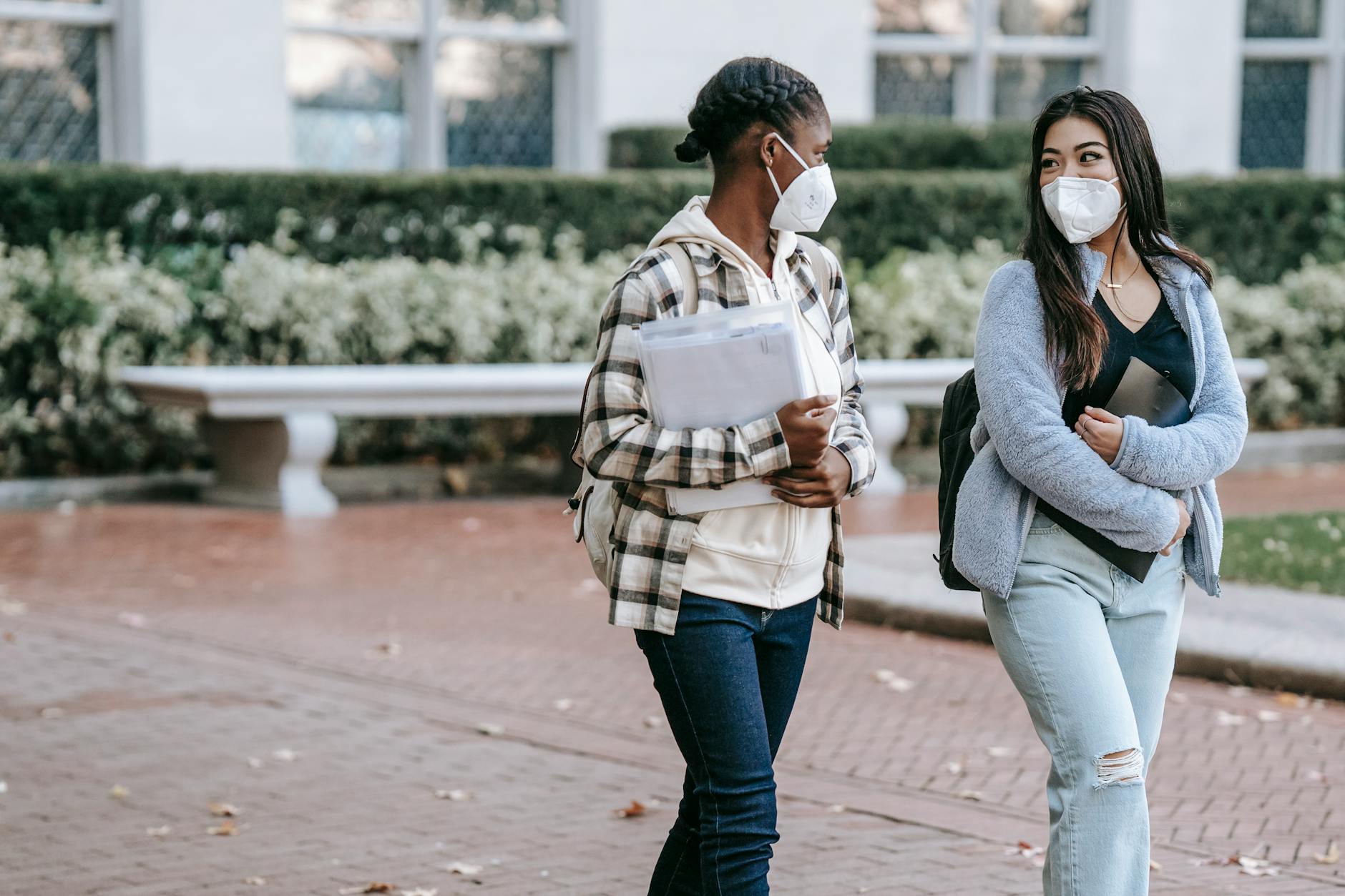
Peer‑led mental‑health networks are redefining campus power structures, converting student empathy into institutional capital that boosts career outcomes and fuels a self‑reinforcing cycle of resource allocation and alumni support.

Student‑run mental‑health networks are moving from peripheral clubs to core campus infrastructure, creating a systemic shift that redefines how universities allocate resources, cultivate leadership, and influence long‑term economic mobility.
—
The Rising Demand for a New Mental‑Health Architecture
Over the past decade, the prevalence of anxiety and depression among college students has risen at a rate that outpaces the expansion of traditional counseling services. The 2023 American College Health Association (ACHA) survey reports that 41 % of respondents experienced “moderate to severe” anxiety in the past year, while only 30 % accessed professional counseling on campus [1]. Simultaneously, counseling center wait times have lengthened to an average of 12 days nationally, a 45 % increase since 2015 [2].
These data points signal a structural mismatch between student need and institutional capacity. The mismatch is not merely a staffing shortfall; it reflects a broader trajectory in which mental‑health provision is being reconceived as a collective, community‑based function rather than a strictly professional, top‑down service. The emergence of peer support programs—organized, trained, and often overseen by students—embodies this shift, positioning student agency at the center of campus health ecosystems.
—
Mechanisms of Peer‑Led Support: Training, Infrastructure, and Engagement

Institutionalizing Peer Counselors
Peer support programs operate on the premise that lived experience yields a form of empathy that professional clinicians cannot replicate. Empirical studies of the Peer‑to‑Peer Support (P2P) model at three public universities showed a 22 % reduction in self‑reported stress scores among participants after eight weeks, comparable to outcomes achieved by licensed counselors in the same timeframe [3].
These mechanisms transform peer support from an extracurricular add‑on into a systematic component of campus health architecture, embedding student leadership within the institutional matrix.
You may also like
 Career Advice
Aligning Your Career with Personal Values: A Path to Fulfillment
Align your career with your values for greater fulfillment. Learn how value-based decisions lead to authentic career paths.
Read More →Implementation hinges on three interlocking mechanisms:
- Rigorous Training Pipelines – Universities such as the University of Michigan have instituted a 40‑hour certification curriculum covering active listening, crisis de‑escalation, and mandatory reporting protocols. Completion rates exceed 90 % and post‑training assessments indicate a 35 % increase in confidence handling mental‑health disclosures [4].
- Dedicated Physical and Digital Infrastructure – Successful programs allocate protected spaces—often repurposed from underused student lounges—and integrate secure messaging platforms that allow asynchronous peer interaction while preserving confidentiality. At Stanford, the “Wellness Pods” model has reduced average response time for peer‑initiated contacts from 48 hours to under 6 hours.
- Strategic Engagement Channels – Outreach leverages campus media, residence‑hall ambassadors, and data‑driven social‑media targeting. A pilot at the University of Colorado reported a 38 % increase in first‑time peer‑support utilization after a coordinated Instagram campaign that highlighted student testimonials.
These mechanisms transform peer support from an extracurricular add‑on into a systematic component of campus health architecture, embedding student leadership within the institutional matrix.
—
Systemic Ripples: Cultural, Policy, and Academic Realignments
Redefining Campus Culture
The diffusion of peer support alters the normative discourse around mental health. By normalizing help‑seeking through relatable channels, institutions observe measurable declines in stigma indices. The National Survey of Student Engagement (NSSE) added a “mental‑health climate” metric in 2022; the average score rose from 2.8 to 3.4 (on a 5‑point scale) among campuses that integrated peer programs, indicating a statistically significant cultural shift [5].
Policy Realignment and Administrative Power
Student‑led initiatives compel administrative bodies to reconfigure resource allocation. The University of Washington’s Board of Regents approved a 12 % increase in the mental‑health budget in FY2025, earmarking $4 million for peer‑support expansion—a move that rebalances power toward decentralized service delivery. Moreover, accreditation bodies such as the Middle States Commission on Higher Education now require evidence of “community‑based mental‑health interventions” in compliance reports, institutionalizing peer support as a compliance metric.
Academic Integration and Curriculum Design
Beyond health services, peer support is infiltrating the academic sphere. Several liberal‑arts colleges have introduced “Mental‑Health Literacy” modules within first‑year seminars, co‑taught by faculty and certified peer counselors. This integration acknowledges the bidirectional relationship between cognitive load and academic performance, aligning with research that links reduced depressive symptoms to a 12 % increase in GPA among participants in peer‑led study groups [6].
A 2024 survey of 2,300 alumni from peer‑support programs found that 68 % cited “enhanced interpersonal skills” as a decisive factor in securing their first post‑graduate role, compared with 42 % of peers who did not engage in such activities.
—
Human Capital Consequences: Career Trajectories, Funding Flows, and Alumni Networks

Leadership Development and Career Capital
You may also like
 Career Development
Unlocking New Opportunities: €750 for Digital Training
Explore how you can receive €750 for digital training to reshape your professional journey. Enhance your skills for the future job market.
Read More →Participation in peer support cultivates transferable competencies—empathy, conflict resolution, and program management—that are increasingly prized in the knowledge economy. A 2024 survey of 2,300 alumni from peer‑support programs found that 68 % cited “enhanced interpersonal skills” as a decisive factor in securing their first post‑graduate role, compared with 42 % of peers who did not engage in such activities. Employers in consulting and tech sectors report higher hiring rates for candidates with documented peer‑leadership experience, interpreting it as evidence of “high‑impact collaboration.”
Resource Allocation and Economic Mobility
The scaling of peer programs influences the financial architecture of higher education. Universities that reallocate a portion of tuition‑derived health fees to peer‑support initiatives observe a modest (≈2 %) reduction in overall counseling center operating costs, freeing capital for scholarships and need‑based aid. This reallocation creates a feedback loop: improved mental‑health outcomes bolster retention, which in turn enhances tuition revenue stability, supporting broader economic mobility for low‑income students.
Alumni Engagement as Institutional Leverage
Alumni who served as peer counselors exhibit higher propensity to donate to mental‑health endowments. At the University of North Carolina, alumni giving rates among former peer‑support volunteers were 27 % versus the campus average of 14 % in the 2023 fiscal year. This pattern reflects a structural reinforcement where early leadership experiences generate long‑term advocacy capital, strengthening institutional power through a self‑sustaining philanthropy pipeline.
—
Outlook: A Five‑Year Trajectory Toward Integrated, Student‑Centric Health Systems
Looking ahead, three converging forces will shape the evolution of campus mental health:
Pilot programs using anonymized learning‑management system data have already flagged a 15 % uptick in help‑seeking among flagged students.
- Data‑Driven Personalization – Advances in predictive analytics will enable universities to identify at‑risk cohorts early, routing them to peer‑support networks before crises emerge. Pilot programs using anonymized learning‑management system data have already flagged a 15 % uptick in help‑seeking among flagged students.
- Legislative Catalysts – State‑level mental‑health parity laws, modeled after California’s SB 1040, will compel public institutions to meet defined service‑access benchmarks, incentivizing the expansion of peer‑led models as cost‑effective compliance pathways.
- Hybrid Service Architectures – The next iteration of campus health will blend professional and peer resources into a seamless “care continuum,” with shared electronic health records and joint supervision structures. This hybridization will institutionalize student leadership as a permanent tier of the health delivery hierarchy, rather than a temporary supplement.
If these dynamics unfold as projected, peer‑support programs will transition from experimental pilots to core institutional assets, redefining the power balance between professional staff and student leaders and embedding mental‑health capital into the broader economic mobility framework of higher education.
—
You may also like
 Artificial Intelligence
CoreWeave Strikes $21 Billion AI Computing Deal and the New Career Landscape
CoreWeave's $21 billion deal with Meta Platforms highlights a significant shift in the tech industry towards specialized AI computing resources, impacting workforce dynamics and setting…
Read More →Key Structural Insights
> [Insight 1]: The integration of peer‑support programs constitutes a systemic reallocation of institutional power, shifting decision‑making authority toward student‑led governance structures.
> [Insight 2]: By embedding mental‑health competencies into the student experience, universities generate career capital that translates into higher employability and reinforces economic mobility pathways.
> * [Insight 3]: The emerging hybrid care model creates a feedback loop where data‑driven personalization, legislative pressure, and alumni philanthropy collectively sustain and expand student‑centric mental‑health ecosystems.