No products in the cart.

E‑Waste Under the Microscope: How Extended Producer Responsibility Is Redrawing the Electronics Industry’s Structural Map
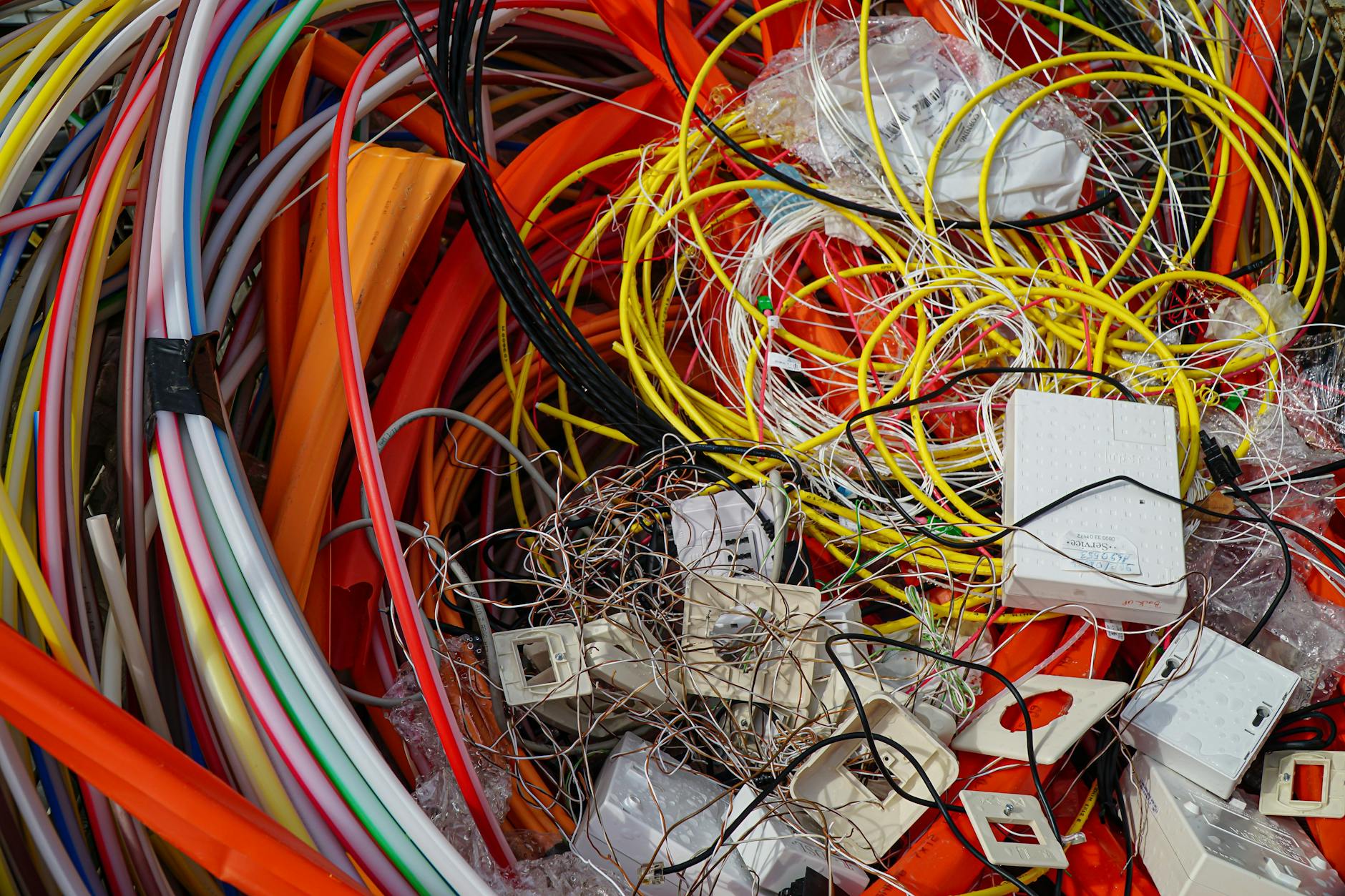
Embedding end‑of‑life responsibilities into product economics is forcing electronics firms to redesign supply chains, reallocate capital to recycling, and cultivate a new class of sustainability‑focused talent, fundamentally reshaping institutional power structures.

The surge in discarded gadgets is prompting governments and investors to bind manufacturers to the end‑of‑life of their products. The resulting shift in design, supply chains and talent pipelines signals a systemic reallocation of career capital and institutional power across the global tech ecosystem.
—
The Macro Landscape of E‑Waste and Policy Momentum
Global generation of electronic waste (e‑waste) reached 57.4 million metric tons in 2023, a 4 % rise on the previous year, and is projected to climb to 74 million tons by 2030 if current consumption patterns persist【1】. The environmental toll is stark: improper disposal releases hazardous substances such as lead, mercury and brominated flame retardants, contaminating soil and water and imposing health costs estimated at $62 billion annually in low‑income regions【2】.
Concurrently, a wave of regulatory reforms is redefining liability for that waste. The European Union’s WEEE Directive, now in its third revision, mandates a 30 % collection target for small appliances by 2027, while China’s Circular Economy Promotion Law (2022) obliges manufacturers to finance take‑back schemes for smartphones and laptops. In the United States, California’s Electronic Waste Recycling Act and New York’s Electronic Product Stewardship Act have introduced producer‑funded recycling fees that are feeding a nascent national EPR framework【3】.
These policies are not isolated environmental measures; they represent an institutional reallocation of responsibility that aligns with broader economic imperatives. The circular economy model promises material cost avoidance of up to 25 % for high‑volume components such as rare‑earth magnets, while creating $1.2 trillion in new market value through secondary material streams by 2035【4】. The convergence of environmental risk, regulatory pressure, and asymmetric financial upside is reshaping the strategic calculus of the electronics sector.
—
Mechanics of Extended Producer Responsibility in Electronics
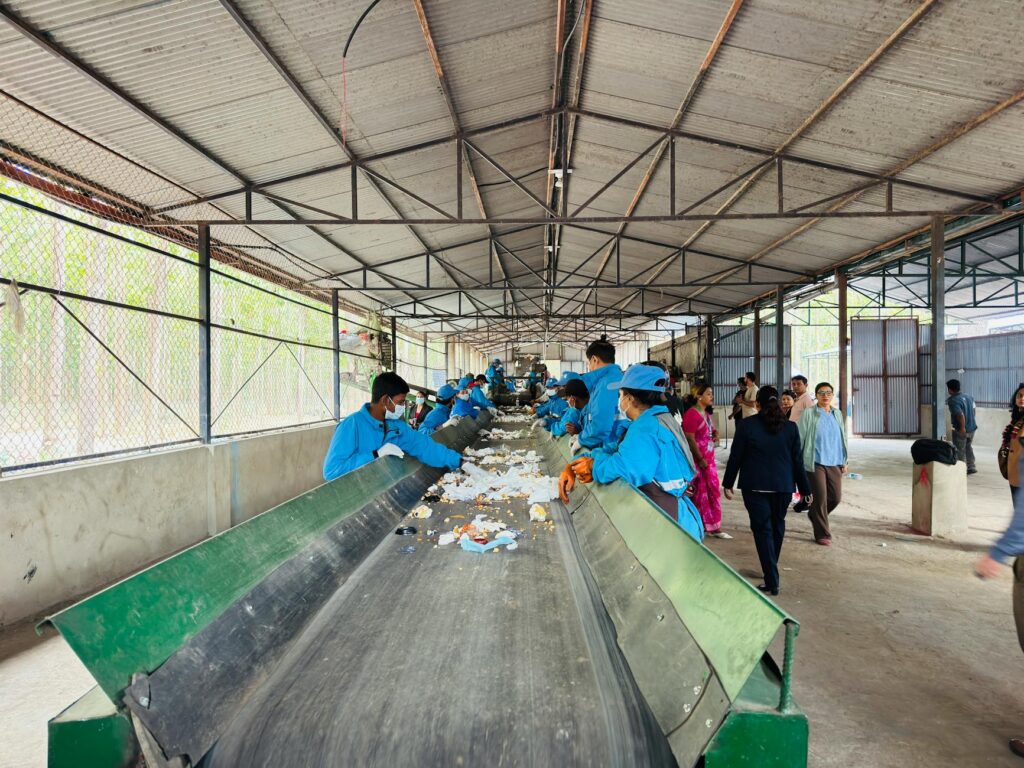
At its core, Extended Producer Responsibility (EPR) operationalizes the “polluter‑pays” principle by embedding end‑of‑life costs into product pricing and design decisions. Three interlocking mechanisms drive this structural shift.
Producer‑Funded Take‑Back Networks Take‑back programs shift collection logistics from municipal waste streams to producer‑managed channels.
Design for Disassembly and Material Purity
EPR schemes levy fees proportional to the recyclability of a product. Empirical analysis of the EU’s Eco‑Design Directive shows a 15 % reduction in hazardous substance use among compliant manufacturers between 2019 and 2024【5】. Companies respond by adopting modular architectures, standardizing screw types, and eliminating mixed‑material adhesives. Apple’s Daisy disassembly robot, capable of processing 200,000 devices per year, exemplifies how automation can lower per‑unit recycling costs from $12 to $6, directly influencing product cost structures.
You may also like
 Business Innovation
Rural India’s Digital Leap: How Government Networks and Grassroots Hubs Reshape Career Capital
India’s blended model of state‑driven broadband and community‑run telecenters is restructuring institutional power, generating new career pathways while exposing persistent gender and caste gaps.
Read More →Producer‑Funded Take‑Back Networks
Take‑back programs shift collection logistics from municipal waste streams to producer‑managed channels. Dell’s closed‑loop recycling partnership with Closed Loop Partners has reclaimed 30 % of the plastics in its new laptops, feeding them back into the manufacturing line. In the EU, compliance data indicate that 84 % of producers now operate national or regional take‑back schemes, a rise from 57 % in 2018【6】. The financial flows from these schemes create a feedback loop: higher collection rates reduce per‑ton recycling fees, incentivizing further investment in design for recyclability.
Integrated Financing of Recycling Infrastructure
EPR obliges producers to finance recycling facilities, either directly or via industry‑wide stewardship funds. The German ElektroG model channels €1.2 billion annually into certified recyclers, supporting the development of advanced hydrometallurgical plants capable of extracting up to 95 % of gold and palladium from circuit boards. This financing structure redistributes capital from downstream waste management to upstream product development, altering the power dynamics between OEMs, recyclers and raw‑material miners.
—
Systemic Ripples Across Supply Chains, Consumers and Governance
The embedding of EPR into electronics production triggers cascading effects that extend well beyond the immediate cost ledger.
Supply‑Chain Realignment Toward Sustainable Materials
Suppliers now compete on material traceability and recyclability certifications. The Responsible Minerals Initiative reports that 68 % of Tier‑1 component manufacturers have adopted conflict‑free sourcing policies linked to EPR compliance, up from 42 % in 2019【7】. This shift is prompting the emergence of “circular suppliers” that specialize in remanufactured circuit boards and bio‑based polymers, reshaping the procurement hierarchy and creating new entry points for firms with sustainability credentials.
Consumer Preference as a Structural Lever
Surveys by Eurostat indicate that 71 % of EU consumers consider a product’s end‑of‑life plan when purchasing electronics, a figure that correlates positively with willingness to pay a 5‑10 % premium for EPR‑compliant devices【8】. This behavioral asymmetry drives manufacturers to embed transparent product passports—digital records of material composition and recycling pathways—into their branding, turning compliance into a market differentiator.
The OECD’s 2025 Guidelines on Product Stewardship recommend linking EPR fees to life‑cycle carbon intensity, effectively granting regulators the capacity to steer corporate R&D agendas.
Institutional Power Rebalancing
Governments, previously limited to setting disposal standards, now wield leverage through performance‑based EPR targets. The OECD’s 2025 Guidelines on Product Stewardship recommend linking EPR fees to life‑cycle carbon intensity, effectively granting regulators the capacity to steer corporate R&D agendas. In parallel, industry coalitions such as the Electronics Recycling Association have secured a seat at the European Commission’s Circular Economy Action Plan working group, illustrating a shift toward co‑governance where private actors influence policy design.
—
You may also like
 Business Innovation
Biodegradable Packaging Reshapes Supply‑Chain Sustainability in the Post‑Plastic Era
Biodegradable packaging is catalyzing a systemic reallocation of capital and talent, as regulatory pressure and carbon pricing make bio‑materials financially superior to traditional plastics.
Read More →Career Capital and Economic Mobility in the Emerging Circular Electronics Economy
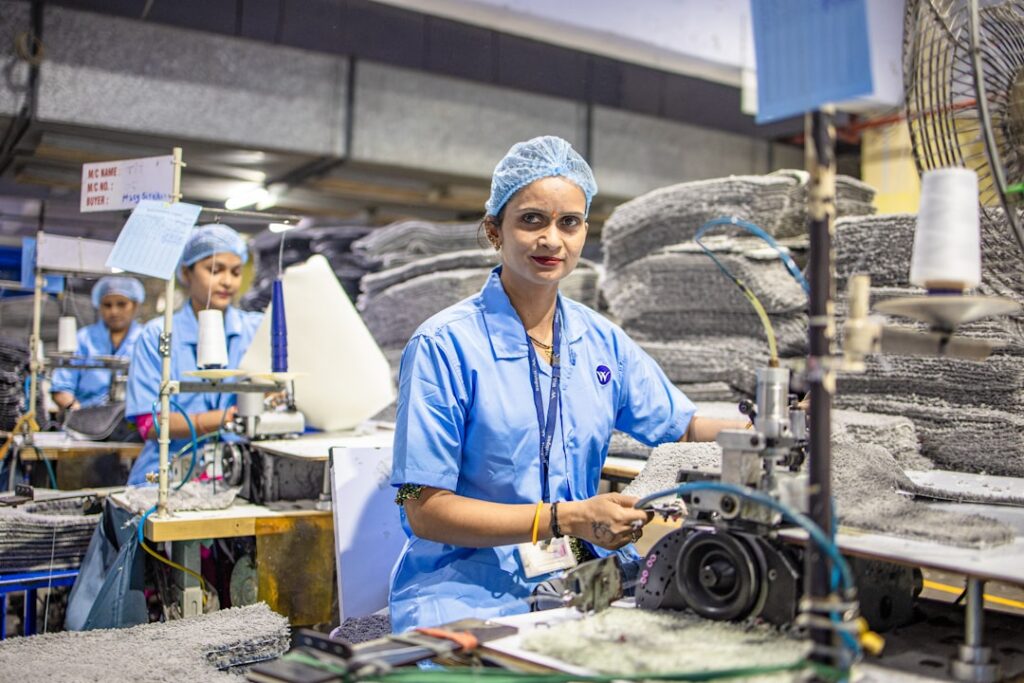
The structural overhaul of the electronics sector is reconfiguring the talent landscape and the distribution of economic opportunity.
New Professional Trajectories
Roles that were peripheral a decade ago—Circular Economy Manager, Product Stewardship Analyst, EPR Compliance Officer, and Reverse‑Logistics Engineer—are now core functions in OEMs and Tier‑1 suppliers. According to LinkedIn’s 2025 Emerging Jobs Report, postings for “circular” and “product stewardship” titles grew 128 % year‑over‑year, with median salaries 12 % above comparable engineering positions, reflecting the premium placed on sustainability expertise.
Upskilling Pathways and Institutional Support
Universities and professional bodies are institutionalizing this capital shift. The University of Cambridge’s Institute for Sustainability Leadership launched a Master’s in Circular Electronics in 2024, while the Society of Environmental Toxicology and Chemistry introduced a Certified EPR Specialist credential. Corporate sponsorship of these programs creates a pipeline that aligns academic credentialing with industry demand, enhancing economic mobility for graduates from regions traditionally underrepresented in tech.
Venture Capital and Private‑Equity Realignment
Investment into recycling‑technology startups surged to $4.3 billion in 2025, a 73 % increase from 2022. Companies such as Redwood Materials and Lithion Recycling have secured Series C rounds exceeding $500 million, earmarked for scaling hydrometallurgical and direct‑recycling processes. This capital influx not only accelerates technological breakthroughs but also creates high‑skill jobs in regions like the American Midwest and Southern Europe, where legacy manufacturing bases are being repurposed for advanced material recovery.
Leadership Imperatives
Corporate leadership is now measured against EPR performance metrics in ESG ratings. MSCI’s 2025 ESG index assigns a 30‑point weighting to product stewardship, meaning CEOs who fail to meet EPR targets risk downgrades that affect access to capital. The CEO Climate Leadership Council has incorporated EPR compliance into its Executive Compensation Framework, linking a portion of bonuses to measurable recycling rates, thereby embedding sustainability into the core governance structure.
The CEO Climate Leadership Council has incorporated EPR compliance into its Executive Compensation Framework, linking a portion of bonuses to measurable recycling rates, thereby embedding sustainability into the core governance structure.
—
Outlook: A Five‑Year Structural Trajectory
Looking ahead, three interdependent trends will define the trajectory of EPR in electronics.
- Global Harmonization of EPR Standards – The OECD’s forthcoming International Product Stewardship Accord (expected 2027) aims to align fee structures, reporting protocols and product passport specifications across the G20. Such convergence will reduce compliance complexity, enabling multinational OEMs to deploy unified circular designs.
- Digital Product Passports as Enforcement Tools – Blockchain‑based passports are being piloted in the EU’s Digital Green Certificate initiative, allowing regulators to verify material provenance and recycling status in real time. By 2029, an estimated 65 % of new smartphones will carry immutable passports, tightening the feedback loop between consumer use and producer accountability.
- Asymmetric Innovation in Material Recovery – Advances in direct‑recycling—recovering functional components without full material breakdown—are projected to cut recycling costs by 40 % and enable the reuse of up to 80 % of rare‑earth elements. Companies that secure early patents in this space will command disproportionate market share, reshaping competitive dynamics and reinforcing the institutional power of firms that integrate EPR into core R&D.
You may also like
 Business
SpaceX Moves Toward Historic IPO Valuation
SpaceX has filed for an IPO that could value the company at $1.75 trillion, a move that could reshape the space industry and investor landscape.
Read More →The net effect will be a structural reallocation of capital from linear production toward circular value creation, a redefinition of leadership metrics around stewardship, and an expanded talent ecosystem that rewards expertise in lifecycle management. Firms that fail to embed EPR into their strategic DNA risk marginalization in a market where institutional incentives increasingly favor circularity.
—
Key Structural Insights
[Insight 1]: EPR embeds end‑of‑life costs into product design, creating a systemic feedback loop that drives material efficiency and reshapes OEM‑supplier power dynamics.
[Insight 2]: The rise of circular‑focused career paths and targeted upskilling programs translates regulatory pressure into tangible economic mobility for a new cohort of sustainability professionals.
- [Insight 3]: Global harmonization of EPR standards and digital product passports will standardize compliance, accelerating the industry’s structural shift toward a circular economy within the next five years.