No products in the cart.

Interest in EVs surges in Europe as and the New Career Landscape
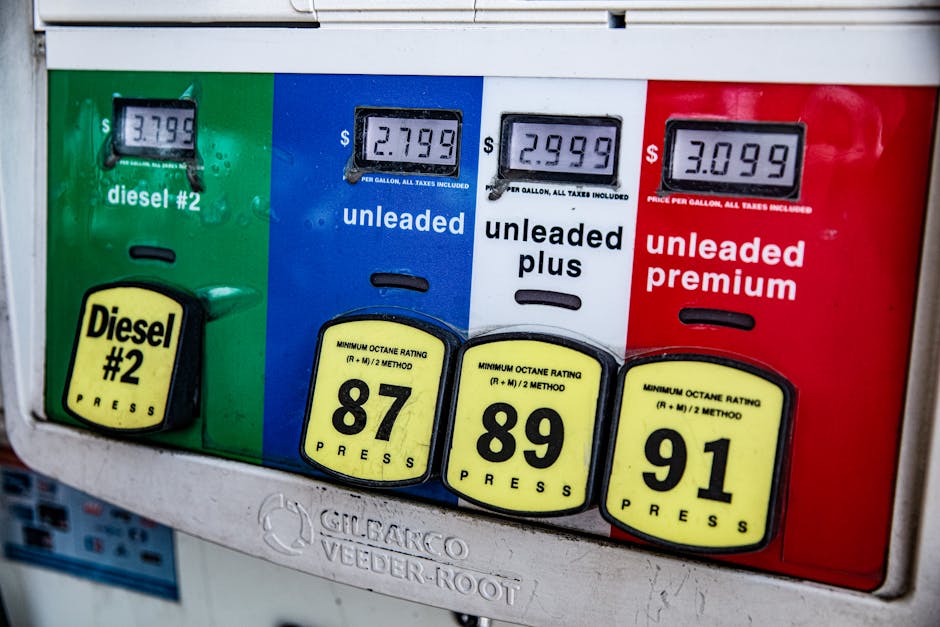
The conflict in Iran has led to soaring fuel prices, prompting a significant increase in interest in electric vehicles (EVs) across Europe. As consumers seek more economical alternatives, the automotive market may be on the brink of a long-term shift towards electrification.

The conflict in Iran has led to soaring fuel prices, prompting a significant increase in interest in electric vehicles (EVs) across Europe. As petrol costs rise, consumers are increasingly turning to electric options, seeking more economical alternatives. This shift is not merely a temporary reaction; it signals a potential long-term change in consumer behavior and the automotive market.
Since the conflict began in February, online marketplaces across the UK, Germany, France, and Spain have reported substantial increases in inquiries about electric vehicles. For instance, Mobile.de, Germany’s largest online car marketplace, noted a staggering 50% increase in electric car inquiries in March compared to February. In contrast, inquiries for petrol and diesel vehicles have dropped, reflecting a shift in consumer priorities.
The surge in demand for electric vehicles is also supported by government incentives. In Germany, for example, the government offers generous subsidies for electric vehicle purchases, amounting to €6,000. This financial support, combined with high fuel prices, has created a compelling case for consumers to consider electric vehicles as viable alternatives.
Impact of Rising Fuel Prices on Consumer Choices
As fuel prices reach unprecedented levels, the cost of living for many consumers has become a pressing concern. Diesel prices in Germany have soared to €2.50 per liter, prompting drivers to rethink their fuel choices. This economic reality has made EVs more attractive, as they promise lower running costs and reduced exposure to volatile fuel prices.
The surge in demand for electric vehicles is also supported by government incentives.
You may also like
 Digital Citizenship
Why Human Connection Remains the Cornerstone of Innovation
Empathy, creativity, and cooperation are emerging as the central drivers of innovation and career growth in an increasingly digital world, reshaping leadership and education.
Read More →Data from the Society of Motor Manufacturers and Traders (SMMT) indicates that battery electric car registrations in March reached a record high of 86,120 units, marking a 24.2% increase compared to the same month last year. This uptick suggests that the war’s economic impact is catalyzing a longer-term trend toward electrification in the automotive sector. According to a report by The Guardian, the surge in interest is not limited to new electric vehicle sales; used electric vehicle inquiries are also on the rise, with La Centrale, one of France’s largest car marketplaces, reporting a 160% increase in searches for electric vehicles between early March and early April.
Long-Term Implications for the Automotive Industry
The automotive industry is at a crossroads as consumer preferences evolve in response to rising fuel costs. Manufacturers who have long lobbied for lower electric vehicle targets may find themselves needing to adapt quickly to this changing landscape. The increased interest in EVs could prompt automakers to accelerate their electrification strategies and invest more heavily in electric vehicle technology.

Furthermore, improvements in charging infrastructure are essential to support this growing demand. As more consumers consider electric vehicles, the need for accessible and efficient charging solutions becomes critical. If manufacturers and governments can work together to enhance charging networks, it could facilitate a smoother transition to electric mobility.
Energy Security and Sustainability Goals
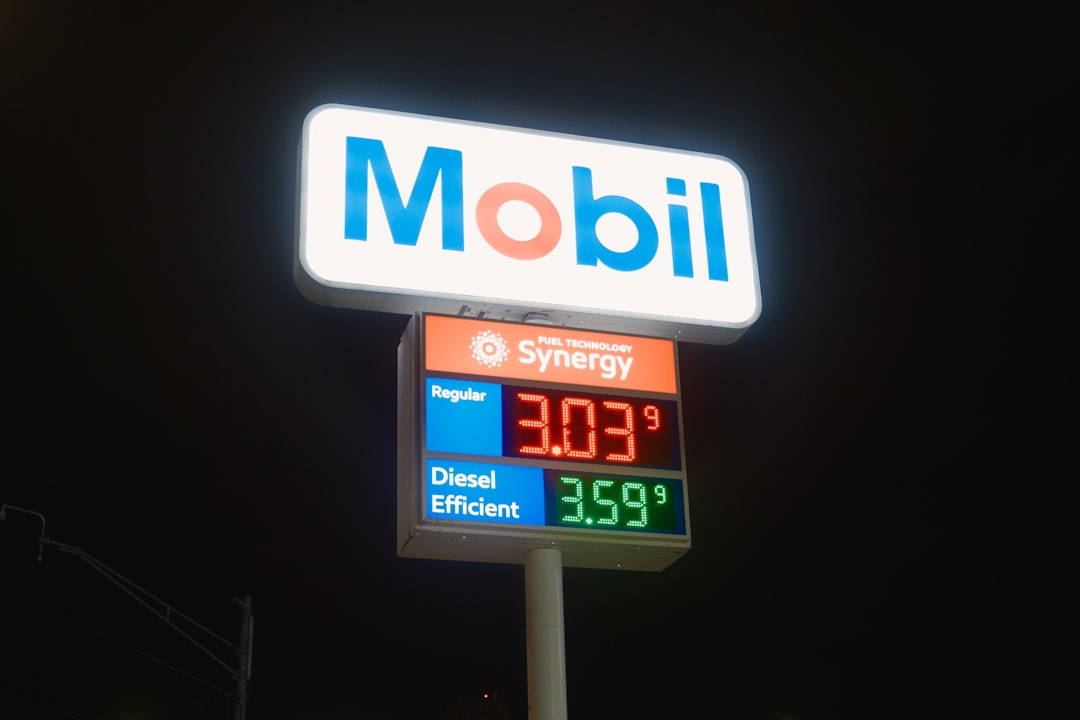
The impact of the Iran conflict on fuel prices has also raised questions about energy security and its implications for the automotive sector. As countries seek to reduce their reliance on fossil fuels, the shift toward electric vehicles could play a crucial role in achieving sustainability goals. This transition aligns with broader environmental objectives and could reshape the future of transportation.
As more consumers consider electric vehicles, the need for accessible and efficient charging solutions becomes critical.
In the near future, the automotive market may see a more permanent shift in consumer preferences, with electric vehicles becoming a mainstream choice rather than a niche option. This transformation could redefine the competitive landscape, forcing traditional automakers to innovate and adapt to meet changing consumer demands. As consumers increasingly prioritize cost-effectiveness and environmental sustainability, the question remains: Will this surge in electric vehicle interest lead to lasting changes in the automotive industry? The next few months will be critical in determining whether this trend solidifies or fades as fuel prices stabilize.
You may also like
 Business Innovation
Hybrid Teams as the Structural Engine of Growth, Retention, and Leadership Development
By converting the fluidity of hybrid work into codified communication, asynchronous processes, and AI‑augmented governance, firms can institutionalize productivity gains and reshape career capital across…
Read More →