No products in the cart.

Is fake grass a bad idea? The AstroTurf wars are far from over.
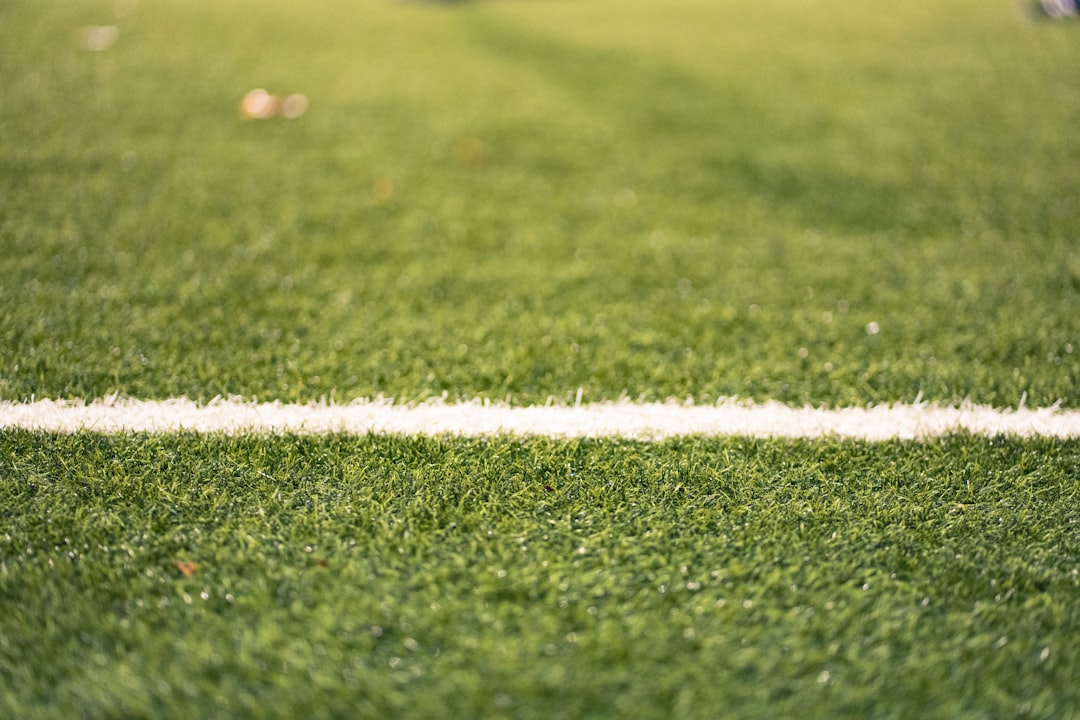
The debate over artificial turf has intensified as communities weigh the benefits of synthetic grass against environmental and health concerns. Advocates tout its durability and low maintenance, while critics highlight potential risks, including microplastic pollution and health hazards from chemicals.

The debate over artificial turf has intensified as communities weigh the benefits of synthetic grass against environmental and health concerns. Advocates tout its durability and low maintenance, while critics highlight potential risks, including microplastic pollution and health hazards from chemicals.
As cities face increasing pressure to maximize their limited recreational spaces, the allure of artificial turf becomes apparent. It offers a solution to the challenges posed by climate variability and high usage demands. However, the question remains: is this synthetic solution worth the potential costs?
Environmental Impact of Artificial Turf
Artificial turf, commonly known as AstroTurf, has been marketed as a low-maintenance alternative to natural grass. Proponents claim it conserves water and eliminates the need for fertilizers and pesticides. According to a report from Environmental Science, synthetic grass can reduce water use by up to 60%. This is particularly appealing in regions prone to drought.
However, the environmental benefits are overshadowed by significant concerns. Critics argue that synthetic turf contributes to microplastic pollution. A study published in 2023 found that artificial turf fields are responsible for a substantial percentage of microplastic particles in waterways. These tiny plastic fibers can harm aquatic life and enter the food chain, raising alarms among environmentalists.
Moreover, the production and disposal of artificial turf present additional challenges. The turf is made from petroleum-based products, which raises questions about its carbon footprint. The lifespan of artificial grass is typically around 10 years, after which it must be replaced, leading to increased waste in landfills. The Healthline emphasizes that the disposal of old turf generates significant environmental concerns, as many materials used in its construction are not biodegradable.
The lifespan of artificial grass is typically around 10 years, after which it must be replaced, leading to increased waste in landfills.
Health Risks and Chemical Concerns
Beyond environmental issues, the health risks associated with artificial turf have become a focal point in the debate. One of the primary concerns is the presence of PFAS, or per- and polyfluoroalkyl substances, which are often found in the materials used to create synthetic grass. These chemicals are known as “forever chemicals” due to their persistence in the environment and human body.
You may also like
 Business Innovation
AI‑Enabled Skills Training Redefines Sales ROI in a Structurally Shifting Landscape
AI‑enabled skills training is reshaping sales economics by aligning personalized learning with revenue outcomes, thereby turning talent development into a quantifiable competitive advantage.
Read More →Research conducted by Boston College epidemiologist Philip Landrigan highlights the potential hazards of PFAS exposure. These substances are linked to various health issues, including cancer and hormonal disruptions. The Healthline notes that the risk is particularly concerning for children who play on these fields regularly.
Additionally, the infill materials used in many synthetic fields, often made from shredded tires, can also pose health risks. Studies suggest that these materials can release harmful chemicals into the environment, further complicating the health debate. The potential for injuries on synthetic surfaces, such as increased heat retention and altered playing conditions, adds another layer of concern for athletes and parents alike.
Economic and Social Considerations
The debate over artificial turf is not just about environmental and health concerns; it also involves economic and social factors. According to Green Home Guide, artificial turf can extend playing seasons and reduce scheduling conflicts for schools. This practicality is a significant advantage for many institutions.
However, opponents argue that the long-term costs of artificial turf, including maintenance and potential health risks, outweigh the initial savings. The economic implications also extend to the communities that host these synthetic fields, where the decision to install artificial turf can affect local ecosystems and community engagement.
Additionally, the infill materials used in many synthetic fields, often made from shredded tires, can also pose health risks.
Future Directions and Alternatives
The future of artificial turf will likely be shaped by ongoing research into its environmental and health impacts. As awareness of the potential risks increases, some communities may reconsider their plans to install synthetic fields. Legislative efforts to regulate or ban certain materials, such as crumb rubber infill, may also gain traction as public sentiment shifts.
You may also like
 Business Insights
Mastering Email Deliverability: Strategies to Avoid the Spam Folder | Career Outlook
Email deliverability is crucial for successful marketing. This article explores key strategies to ensure your emails reach the inbox, not the spam folder.
Read More →Moreover, advancements in technology could lead to the development of safer, more sustainable alternatives to traditional synthetic turf. Innovations in materials science may yield options that minimize environmental impact while still providing the benefits of artificial grass. This could open the door for a new generation of turf that aligns better with ecological values.
Sources: Environmental Science, Healthline, Green Home Guide.