No products in the cart.

The Rising Talent Wars in Self-Driving Vehicles
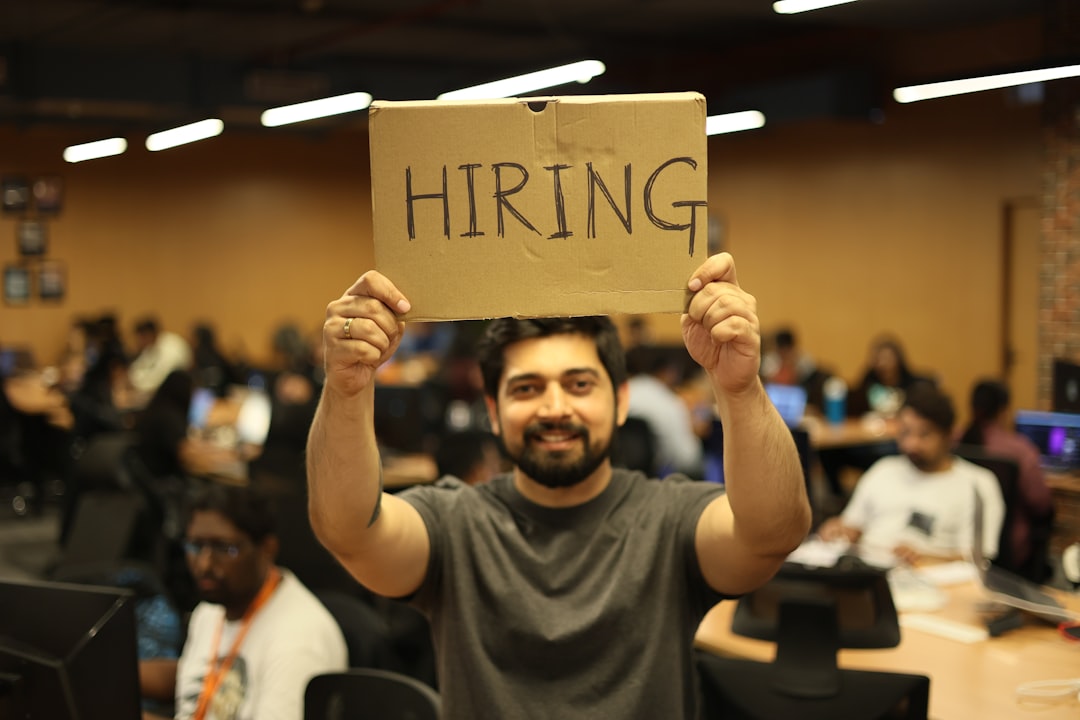
The self-driving vehicle sector is embroiled in a fierce competition for skilled workers, driven by soaring salaries and the entry of new players from various industries. This article examines the factors fueling this talent battle and its implications for the future of the industry.

The self-driving vehicle sector has transformed into a battleground for talent, with companies ranging from established giants to ambitious startups competing fiercely for skilled workers. This competition reflects a broader struggle for innovation and market leadership in a rapidly evolving industry. The stakes are high, as salaries soar in the quest to attract the best minds in robotics and artificial intelligence.
The current landscape reveals a stark reality: the demand for talent in the self-driving vehicle industry is outpacing supply. According to insights from TechCrunch, base salaries for positions in this sector have surged to between $300,000 and $500,000, excluding equity and benefits. This surge is driven by a growing need for engineers who possess hybrid skills that blend classical robotics with advanced AI capabilities. As companies like Waymo and Tesla lead the charge, others scramble to keep pace.
This talent war extends beyond traditional tech companies; the defense sector has also entered the fray, luring away talent with lucrative offers. Defense tech companies are particularly generous with compensation, thanks to substantial funding from government contracts. This shift underscores the interconnectedness of various industries and the urgent need for self-driving vehicle companies to adapt or risk losing their competitive edge.
Challenges in Talent Acquisition
The self-driving vehicle industry faces unique challenges in talent acquisition. The skills required for success are not only technical but also interdisciplinary. Engineers must integrate AI into hardware systems, necessitating a deep understanding of both software and physical systems. This complexity complicates recruitment efforts.
As companies vie for the same pool of candidates, they must also contend with high employee turnover. Many professionals in the self-driving sector are being poached by competitors, leading to significant turnover rates. This phenomenon is exacerbated by the rapid pace of technological advancement, which requires continuous learning and adaptation. According to Waymo, the competition for top talent is fierce, and companies must be strategic in their hiring practices to retain skilled workers.
You may also like
 Artificial Intelligence
El Salvador Partners with Elon Musk’s xAI to Enhance Education
El Salvador is partnering with Elon Musk's xAI to bring artificial intelligence to 5,000 public schools, aiming to enhance educational outcomes.
Read More →According to Waymo, the competition for top talent is fierce, and companies must be strategic in their hiring practices to retain skilled workers.
The rise of remote work has further changed the dynamics of talent acquisition. Companies are no longer limited to local talent pools, allowing them to tap into a global workforce. However, this also means they must compete against firms worldwide, increasing the stakes for recruitment. Organizations must now offer attractive packages that include not just high salaries but also benefits that cater to a diverse workforce.
Market Implications of the Talent Wars
The ongoing talent war in the self-driving vehicle sector presents several contradictions. On one hand, high salaries and intense competition suggest a booming industry poised for rapid growth. On the other hand, this same competition can stifle innovation among smaller players who may not afford the escalating costs of talent acquisition. As a result, the market may become increasingly consolidated, with a few dominant players emerging at the expense of diversity and innovation.
There is also an ongoing debate about the long-term sustainability of these high salaries. While they are necessary to attract talent in the short term, some industry experts warn that they may not be sustainable in the long run. If companies continue to inflate salaries without a corresponding increase in productivity or innovation, it could lead to a market correction, raising questions about the future health of the self-driving vehicle industry.
Additionally, the influx of talent into the defense sector raises ethical considerations. As self-driving technology becomes more integrated into military applications, the implications of this shift could be profound. The blending of commercial and defense technologies may lead to increased scrutiny and public concern over the use of autonomous vehicles in warfare.

Strategies for Startups and Future Talent
You may also like
 Interviewing
The Ocean’s New Frontier: Coratia Technologies and the Surge in Underwater Robotics Careers
Coratia Technologies, a Shark Tank India startup, has secured ₹5 Crore in funding to scale its underwater robotics operations, opening new career avenues in the…
Read More →Startups face an uphill battle in this competitive landscape. While established companies like Waymo have the resources to offer competitive salaries, smaller firms often struggle to match these offers. This creates a challenging environment for startups trying to innovate while managing their budgets. They must find creative ways to attract talent, such as offering equity stakes, flexible work arrangements, or unique company cultures.
They must find creative ways to attract talent, such as offering equity stakes, flexible work arrangements, or unique company cultures.
Looking ahead, the talent wars in the self-driving vehicle industry are unlikely to subside anytime soon. As the demand for autonomous vehicles continues to grow, so too will the need for skilled professionals capable of driving this innovation. Companies will need to adopt more flexible and creative approaches to recruitment and retention, focusing on building strong company cultures and offering meaningful work experiences.

For individuals considering a career in this field, the future looks promising. The demand for skilled engineers and researchers in the self-driving sector is projected to remain high, offering numerous opportunities for advancement and growth. However, potential candidates should also be aware of the competitive nature of the job market and the importance of continuous learning and adaptation to stay relevant.
Ultimately, the talent wars in the self-driving vehicle industry represent a critical juncture for both companies and individuals. Understanding the dynamics of this competition will be essential for success in this fast-paced and innovative field.