No products in the cart.

Tesla’s Full Self-Driving Approval: A New Era for Autonomous Vehicles in Europe
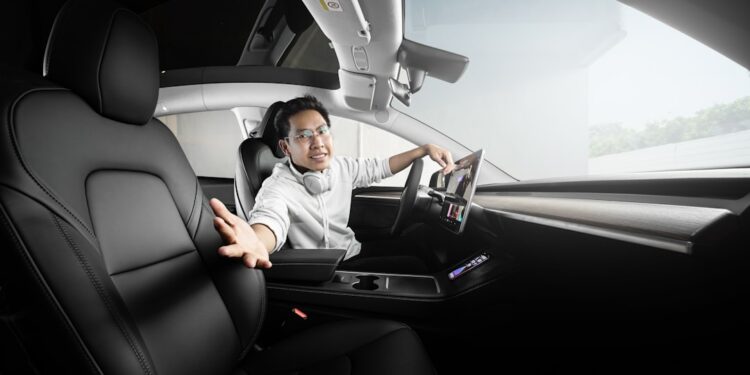
The Netherlands has become the first European country to approve Tesla's supervised Full Self-Driving system, marking a significant step in the evolution of autonomous vehicles.

Amsterdam, Netherlands — In a landmark move, the Netherlands has become the first European country to approve Tesla’s supervised Full Self-Driving (FSD) system. This decision by Dutch regulators, after extensive testing, could signal a significant shift in the landscape of autonomous vehicles across Europe. It raises questions about safety, regulatory frameworks, and the future of driving as we know it.
This approval is not merely a regulatory milestone; it represents a pivotal moment for the automotive industry. Tesla’s FSD Supervised system, which requires driver oversight, aims to enhance road safety while gradually integrating autonomous technology into everyday driving. With this approval, the Netherlands is not only embracing innovation but also setting a precedent for other European nations to follow.
The Importance of Supervised FSD Approval
The approval of Tesla’s FSD in the Netherlands comes after a rigorous 18-month testing period conducted by the RDW, the Dutch vehicle authority. According to the RDW, the system offers significant safety benefits by assisting drivers in their tasks, thus reducing the likelihood of accidents. The FSD system is designed to support rather than replace human drivers, emphasizing the importance of driver engagement even as technology advances.
As reported by Tesla, the latest version of the FSD (version 2026.3.6) includes a mandatory tutorial and quiz for drivers before activation. This requirement underscores the commitment to safety and responsible use of autonomous technologies. The system remains under the supervision of the driver, ensuring that complacency does not set in. This cautious approach is crucial, especially considering the mixed reactions to Tesla’s FSD in other markets, particularly the United States, where scrutiny from regulators has been intense.
As the EU continues to grapple with the challenges of integrating autonomous vehicles, the Netherlands’ proactive stance may serve as a model for future legislation.
Moreover, the approval could pave the way for broader acceptance of autonomous driving technologies across the European Union. With Tesla’s European headquarters located in Amsterdam, this decision aligns with the company’s strategic vision and may encourage other nations to adopt similar regulations. As the EU continues to grapple with the challenges of integrating autonomous vehicles, the Netherlands’ proactive stance may serve as a model for future legislation.
Controversies Surrounding FSD Technology
While the approval of Tesla’s FSD in the Netherlands is celebrated as a step forward, it is not without controversy. Critics argue that the system, despite being labeled as supervised, may still lead to over-reliance on technology. There are concerns that drivers may become complacent, potentially undermining the very safety benefits the system aims to provide. This debate is not new; it echoes discussions surrounding other driver-assistance technologies that have been criticized for creating a false sense of security.
You may also like
 Entrepreneurship & Business
Paramount’s Debt Reduction Signals Tightening Credit for Media Firms
Paramount's recent debt reduction raises concerns about the future borrowing capabilities of media companies. This shift suggests tighter credit conditions that could reshape financial strategies…
Read More →Furthermore, the ongoing scrutiny of Tesla’s FSD in the United States complicates the narrative. The National Highway Traffic Safety Administration (NHTSA) has investigated Tesla’s FSD features, raising concerns about their safety and efficacy. This scrutiny highlights the tension between innovation and regulation, as companies push the boundaries of technology while regulators strive to ensure public safety.
In contrast, proponents of the FSD system argue that the technology can significantly reduce accidents when used correctly. They point to data suggesting that driver-assistance systems have already lowered accident rates in various settings. This contradiction reflects the broader debate within the automotive industry about the balance between embracing innovation and ensuring safety.
Regulatory Challenges Ahead
The future of autonomous vehicles in Europe appears promising but fraught with challenges. The Netherlands’ approval of Tesla’s FSD could catalyze a wave of similar approvals across the continent, leading to a more unified regulatory framework. As more countries recognize the potential of autonomous driving technologies, we may see a shift towards more standardized regulations that facilitate the deployment of such systems.
Regulatory Challenges Ahead The future of autonomous vehicles in Europe appears promising but fraught with challenges.
However, the path forward is not without obstacles. Existing concerns about safety, public acceptance, and the ethical implications of autonomous driving will need to be addressed. As the technology evolves, so too must the regulations that govern its use. Policymakers will need to engage in ongoing dialogue with industry stakeholders to create a framework that fosters innovation while prioritizing safety.
Opportunities in the Evolving Landscape
Ultimately, the approval of Tesla’s FSD in the Netherlands could mark the beginning of a new era for autonomous vehicles in Europe. As the technology matures and regulatory frameworks adapt, the landscape of driving may be transformed in ways we can only begin to imagine.
You may also like
 Entrepreneurship & Business
Titan Company deepens focus on mechanical horology as category
This shift in focus comes as consumers increasingly appreciate craftsmanship and engineering in watchmaking, moving away from traditional quartz timepieces.
Read More →For young professionals and job seekers, this evolving landscape presents new career opportunities. As the demand for skilled workers in the autonomous vehicle sector grows, individuals with expertise in technology, safety, and regulatory compliance will find themselves in high demand. The shift towards autonomous driving could redefine traditional roles within the automotive industry and create new pathways for innovation and growth.