No products in the cart.

What AI Can’t Do: The New Job of Leadership | Workforce Shift

As artificial intelligence evolves, its impact on leadership roles is increasingly evident. Leaders must now navigate complexities that machines cannot, focusing on emotional intelligence and ethical considerations.

As artificial intelligence continues to evolve, its impact on leadership roles is becoming increasingly evident. The traditional responsibilities of leaders are shifting dramatically. In a recent masterclass, Professor Arthur C. Brooks highlighted how AI is not just a tool but a transformative force in the workplace. This new era demands leaders who can navigate complexities that machines cannot.
AI excels at processing data and solving problems with speed and accuracy. However, it lacks the ability to inspire, build trust, and foster a positive culture. These uniquely human capabilities are becoming more critical than ever. As machines take over routine tasks, the focus of leadership is shifting toward emotional intelligence, strategic vision, and interpersonal skills.
AI’s Influence on Leadership Dynamics
The integration of AI into business operations is reshaping how leaders interact with their teams. According to the Harvard Business Review, AI can handle data analysis and decision-making processes, allowing leaders to focus on more strategic issues. This shift is not merely about efficiency; it fundamentally alters the leader’s role in guiding their organizations.
Leaders are now tasked with leveraging AI insights to make informed decisions while also addressing the human aspects of their teams. This includes understanding employee needs, fostering a collaborative environment, and ensuring that the workforce remains engaged and motivated. In this context, the role of a leader evolves into that of a facilitator, enabling teams to thrive in an AI-enhanced landscape.
Moreover, the reliance on AI raises questions about accountability and ethical considerations. Leaders must navigate the complexities of AI implementation, ensuring that their organizations use technology responsibly. This responsibility extends to addressing concerns about job displacement and the ethical use of data, making transparency and ethical leadership paramount. Analysts suggest that leaders must be proactive in fostering a culture of ethical AI use, which is crucial for maintaining trust within their organizations.
Transforming Leadership Skills for an AI Era As AI takes on more operational tasks, leaders must develop new skills to remain effective.
Transforming Leadership Skills for an AI Era
As AI takes on more operational tasks, leaders must develop new skills to remain effective. Emotional intelligence, empathy, and cultural awareness are becoming essential traits. Leaders must cultivate a workplace culture that embraces change and innovation while also being sensitive to the challenges employees face in adapting to new technologies.
You may also like
 Business
Informed AI Decision‑Making Redefines Executive Capital and Institutional Power
Executive influence increasingly hinges on data literacy, as AI-driven decision frameworks reallocate capital, reshape governance, and redefine career trajectories within corporate hierarchies.
Read More →According to a report by the World Economic Forum, the demand for soft skills is rising as automation becomes more prevalent. Companies are looking for leaders who can inspire and motivate teams in an environment where AI handles many traditional management tasks. This shift emphasizes the need for leaders to be more than just decision-makers; they must be visionaries who can articulate a compelling purpose and rally their teams around it.
Additionally, leaders must be adept at managing diverse teams that include both human and AI components. This requires a nuanced understanding of how to integrate AI tools into team dynamics effectively. Leaders will need to foster collaboration between human workers and AI systems, ensuring that both operate in harmony to achieve organizational goals. The BBC notes that the ability to blend human insight with AI efficiency will define successful leadership in the coming years.
Debates Surrounding AI in Leadership
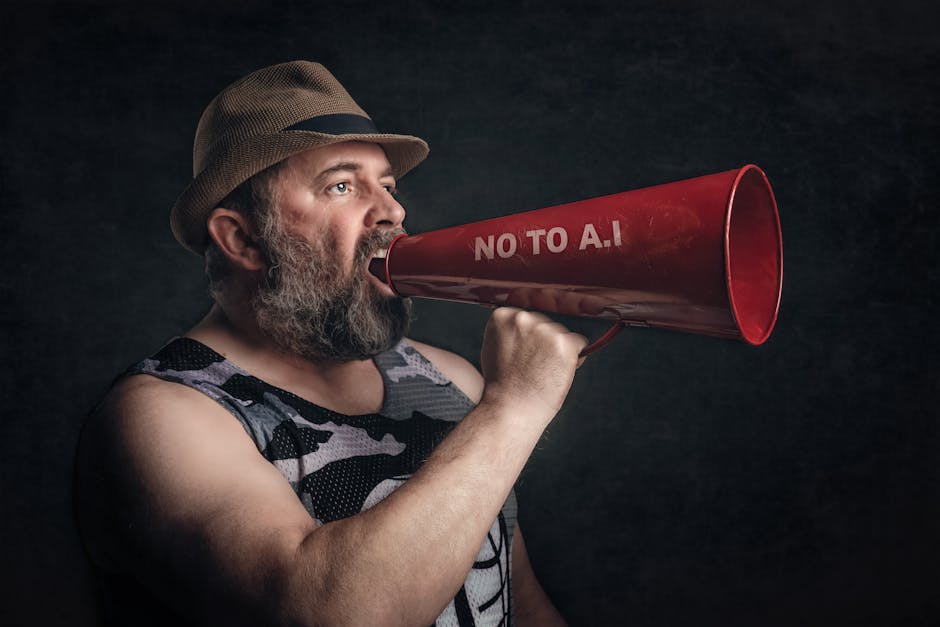
While the integration of AI into leadership is seen as a positive evolution, it also sparks debate about the future of work. Critics argue that over-reliance on AI can lead to a dehumanization of the workplace. They caution that as leaders become more focused on data-driven decision-making, they may overlook the human elements that are vital for team cohesion and morale.
Furthermore, there is an ongoing discussion about the balance between automation and the need for human oversight. Some experts warn that leaders must not become overly dependent on AI tools, as this could lead to a lack of critical thinking and intuition in decision-making. The challenge lies in finding the right balance between leveraging AI capabilities and maintaining the human touch that defines effective leadership.
Debates Surrounding AI in Leadership While the integration of AI into leadership is seen as a positive evolution, it also sparks debate about the future of work.

Adapting Leadership for an AI-Driven Future
The future of leadership in an AI-driven world is both exciting and challenging. As AI continues to advance, leaders will need to adapt their strategies and approaches to stay relevant. This adaptation will involve continuous learning and development, as leaders seek to understand emerging technologies and their implications for their organizations.
You may also like
 Economics
India’s Mines Secretary Plans Major Mineral Exploration Push
India's Mines Secretary announces a significant push for mineral exploration, focusing on critical minerals. This initiative is set to reshape job opportunities in the mining…
Read More →Moreover, leaders must remain vigilant about the ethical implications of AI use. They will need to advocate for responsible AI practices that prioritize employee well-being and organizational integrity. This commitment to ethical leadership will be crucial as organizations strive to build trust with their employees and stakeholders in an increasingly automated world.
As young professionals enter the workforce, understanding these dynamics will be essential. Leadership roles will increasingly demand a blend of technical proficiency and emotional intelligence, making it vital for aspiring leaders to cultivate these skills early in their careers.