No products in the cart.

Mastering Email Deliverability: Strategies to Avoid the Spam Folder | Career Outlook
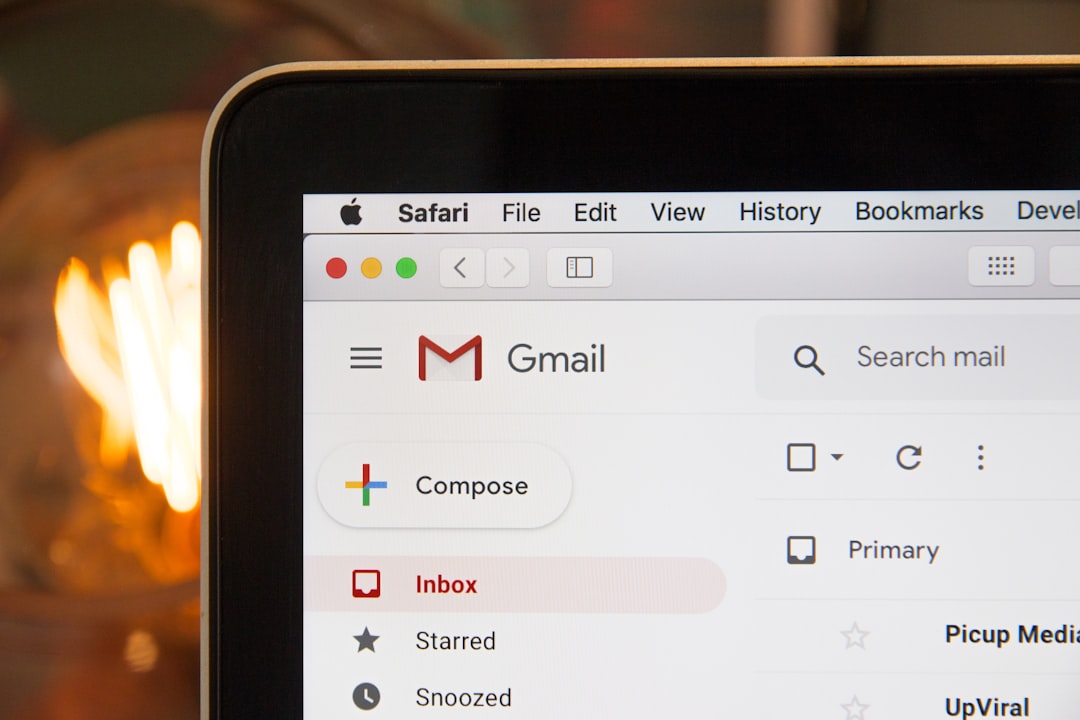
Email deliverability is crucial for successful marketing. This article explores key strategies to ensure your emails reach the inbox, not the spam folder.

Email deliverability is a critical concern for businesses today. As digital marketing evolves, reaching the inbox is not just a matter of sending emails but ensuring they are seen. The reality is stark: even the best-crafted emails can end up in the spam folder, rendering them ineffective. The challenge lies in understanding the factors that influence deliverability and implementing strategies to overcome these obstacles.
Recent insights reveal that a significant percentage of emails fail to reach their intended recipients. According to a report from Mailgun, poor sender reputation and low engagement rates are among the leading causes. This underscores the importance of adopting a proactive approach to email marketing, focusing on deliverability as a key performance indicator.
Mastering email deliverability involves a combination of technical expertise and strategic planning. By implementing best practices, businesses can enhance their chances of landing in the inbox rather than being filtered out. This article delves into essential strategies to improve email deliverability, drawing from insights provided by industry leaders.
Defining Email Deliverability
Email deliverability refers to the ability of an email to successfully land in the recipient’s inbox. This is distinct from mere delivery, which only indicates that an email reached the recipient’s mail server. Factors influencing deliverability include sender reputation, authentication protocols, and content quality.
By implementing best practices, businesses can enhance their chances of landing in the inbox rather than being filtered out.
Sender reputation acts as a credit score for email senders. It is built over time based on user engagement metrics such as open rates and click-through rates. High bounce rates and spam complaints can severely damage this reputation, leading to decreased deliverability. According to HubSpot, maintaining a clean email list is crucial for preserving a positive sender reputation.
You may also like
 Career Development
Navigating Corporate Hierarchy: Lessons from K-Dramas
K-dramas offer unique insights into corporate culture, highlighting strategies for success in navigating office hierarchies and politics.
Read More →Authentication protocols like SPF, DKIM, and DMARC play a vital role in ensuring that emails are recognized as legitimate. These technical standards verify the sender’s identity, helping to prevent fraudulent emails from being delivered. Failure to implement these protocols can result in legitimate emails being marked as spam.

Moreover, the quality of the email content itself can significantly impact deliverability. Spam filters have become increasingly sophisticated, analyzing not just the content but also the structure and formatting of emails. According to Constant Contact, a balanced ratio of text to images and avoiding excessive links are essential to ensure emails do not trigger spam filters.
Key Strategies for Enhancing Deliverability
To improve email deliverability, businesses must focus on several best practices:
- Maintain a Clean Email List: Regularly remove inactive subscribers and ensure that all email addresses are valid. A re-engagement campaign can help identify subscribers who have not interacted with emails in a while.
- Implement Double Opt-In: Using double opt-in methods can enhance list quality. When subscribers confirm their interest in receiving emails, they are more likely to engage with the content.
- Personalize and Segment: Tailored content resonates more with recipients, encouraging them to open and interact with emails. According to Mailgun, personalized emails can lead to a 26% increase in open rates.
- Monitor Engagement Metrics: Track open rates, click-through rates, and unsubscribe rates to gauge the effectiveness of email campaigns. Adjusting strategies based on these metrics can help maintain a positive sender reputation.
Navigating Challenges in Email Marketing
Despite the best efforts, challenges remain in achieving optimal email deliverability. The evolving landscape of spam filters means that what works today may not be effective tomorrow. As email providers continuously update their algorithms, businesses must stay informed about the latest trends in email marketing.
Key Strategies for Enhancing Deliverability To improve email deliverability, businesses must focus on several best practices:

Moreover, the rise of privacy regulations, such as GDPR and CCPA, adds another layer of complexity. Businesses must ensure compliance with these regulations while still effectively reaching their audience. Failure to comply can result in fines and further damage to sender reputation.
Future Trends in Email Deliverability
The future of email deliverability will likely revolve around increased automation and artificial intelligence. These technologies can help businesses optimize their email campaigns by analyzing data and predicting user behavior. As companies adopt more sophisticated tools, they will be better equipped to navigate the challenges of deliverability.
You may also like
 News
NewsHarnessing Curiosity: The Backbone of Innovation
Curiosity-driven research is vital for innovation, shaping industries and education in impactful ways.
Read More →In summary, mastering email deliverability is essential for any business aiming to succeed in digital marketing. By understanding the factors that influence deliverability and implementing best practices, organizations can improve their chances of reaching their audience effectively. Staying informed and adaptable will be key to maintaining successful email campaigns.