

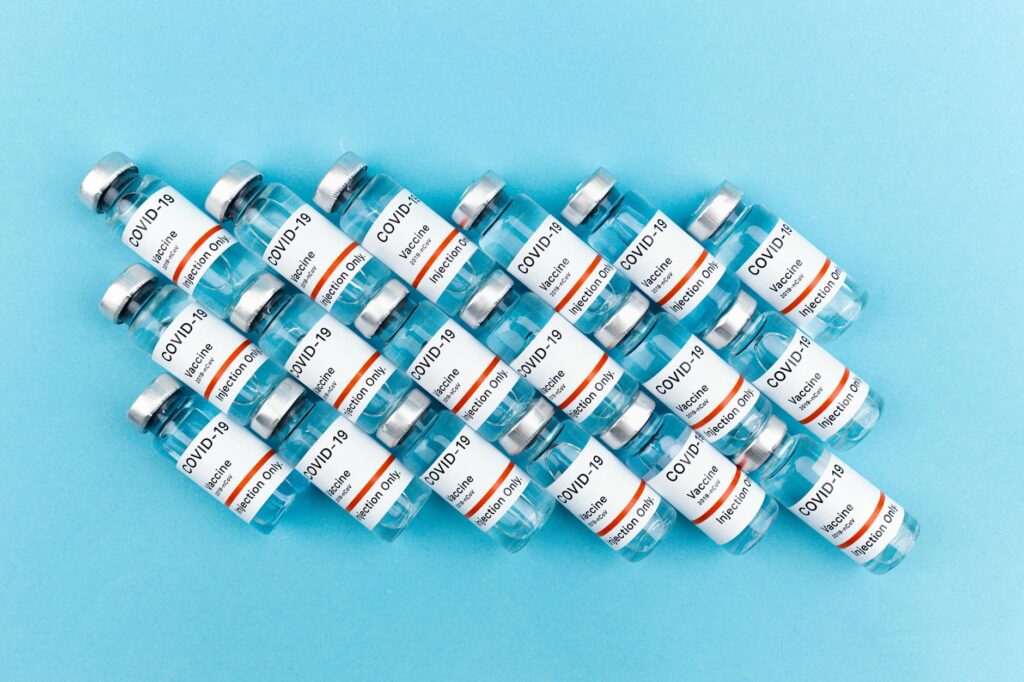
The diffusion of biosimilar medicines is converting patent cliffs into a systemic lever for cost containment, talent reallocation, and regulatory recalibration across the pharmaceutical ecosystem.
Global Shift Toward Biosimilars
The pharmaceutical sector is undergoing a structural transition as the pipeline of blockbuster biologics reaches its first wave of patent expirations. Since 2015, biosimilars have delivered $56.2 billion in cumulative savings for payers worldwide, a figure that now underpins health‑system budgeting in the United States, the European Union, and emerging markets such as India and Brazil【1】. The macro‑economic driver is twofold: escalating health‑care expenditures—projected to exceed $12 trillion globally by 2030—and the inevitability of biologic patent cliffs that expose high‑margin products to competitive entry【2】.
This convergence has elevated biosimilars from a niche segment to a core pillar of pharmaceutical strategy. In 2024, biosimilar sales reached $21.4 billion, representing 12 % of total biologics revenue, and analysts forecast a compound annual growth rate (CAGR) of 14 % through 2029【2】. The trajectory signals a reallocation of capital from novel biologic discovery toward replication, process optimization, and market access. Consequently, policymakers, institutional investors, and talent pipelines must confront a set of systemic obstacles—regulatory heterogeneity, reimbursement uncertainty, and talent mismatches—that shape the sector’s future pathways.
Patent Expirations and Development Economics
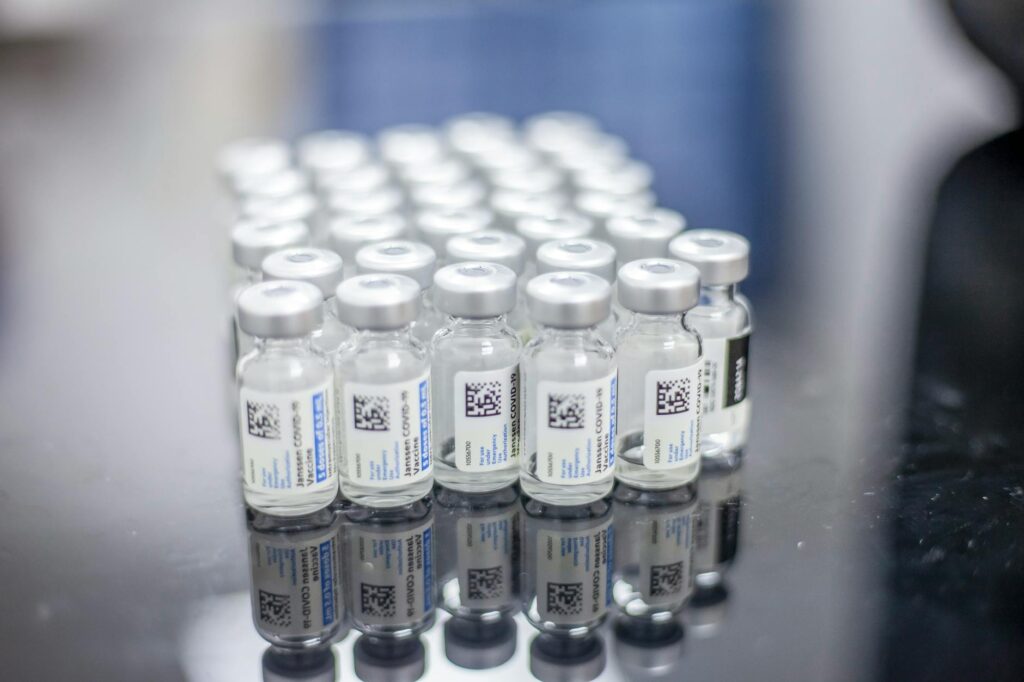
The primary mechanism propelling biosimilar uptake is the loss of exclusivity for high‑value biologics such as adalimumab, trastuzumab, and pembrolizumab. Unlike small‑molecule generics, biosimilars demand $100 million to $300 million in R&D spend, reflecting the complexity of cell‑line engineering, scale‑up, and comparative clinical studies【2】. This capital intensity creates a bifurcated entry landscape: large multinational firms (e.g., Amgen, Sandoz, Celltrion) leverage existing manufacturing platforms, while smaller biotech firms specialize in niche indications or “first‑to‑file” strategies to capture market share.
Regulatory pathways amplify these dynamics. The U.S. Biologics Price Competition and Innovation Act (BPCIA) of 2009 established an abbreviated licensure route, but the FDA’s requirement for “clinical similarity”—often a Phase III trial—has preserved a cost barrier that filters entrants. In the EU, the European Medicines Agency (EMA) employs a stepwise comparability exercise, allowing some biosimilars to obtain approval with reduced clinical data, thereby accelerating market entry for firms with robust analytical capabilities【1】.
Historical parallels illuminate the systemic shift. The 1990s generic small‑molecule wave, catalyzed by the Hatch‑Waxman Act, reduced average drug prices by 15 % and reoriented R&D toward “me-too” molecules. Biosimilars echo this pattern but at a higher capital threshold, prompting a reconfiguration of corporate portfolios: legacy innovators now maintain “originator‑plus‑biosimilar” pipelines, while contract manufacturing organizations (CMOs) expand capacity to meet demand for cell‑culture facilities.
Inflation Reduction Act (IRA) of 2022 introduced mandatory rebate mechanisms for biologics exceeding a 15 % price increase, effectively lowering the profitability ceiling for originators and incentivizing biosimilar competition.
Regulatory Evolution and Market Dynamics
The regulatory environment is the crucible where policy intent translates into market reality. Recent policy adjustments illustrate an asymmetric push toward price transparency and accelerated access. The U.S. Inflation Reduction Act (IRA) of 2022 introduced mandatory rebate mechanisms for biologics exceeding a 15 % price increase, effectively lowering the profitability ceiling for originators and incentivizing biosimilar competition. Simultaneously, the FDA’s 2023 “Totality‑of‑Evidence” guidance streamlined analytical comparability, reducing average review times from 12 to 9 months for well‑characterized molecules【1】.
 Entrepreneurship & Business
Qualcomm Plans Global Job Cuts After Annual Reviews
A memo from chief executive Cristiano Amon links the reductions to performance culture and says business priorities and required skills will guide decisions.
Read More →In Europe, the EMA’s 2024 “Biosimilar Guidance Update” introduced a “conditional approval” pathway for products targeting rare diseases, where clinical endpoints are extrapolated from larger indication data sets. This policy leverages the scientific principle of mechanism‑of‑action similarity to lower trial costs while preserving safety standards.
Emerging economies are redefining structural incentives through price caps and reference pricing. India’s National Pharmaceutical Pricing Authority (NPPA) set a 30 % ceiling on biosimilar pricing relative to the originator in 2023, prompting a surge in domestic biosimilar launches—India accounted for 18 % of global biosimilar approvals in 2024【2】. Brazil’s 2025 “Health Technology Assessment (HTA) Fast‑Track” now requires comparative effectiveness data only for the first indication, expediting market entry for multinational firms.
These regulatory shifts generate a ripple effect across the value chain. Payers benefit from reduced drug spend, yet the savings are unevenly distributed: private insurers in the U.S. capture an average 12 % discount, while national health services in the EU see 18 % reductions due to tendering processes. The asymmetry creates a competitive pressure on originator firms to negotiate risk‑sharing agreements, reshaping institutional power dynamics between manufacturers, payers, and government agencies.
Career Capital and institutional power in the Biosimilar Value Chain

The biosimilar expansion reconfigures career trajectories for a broad swath of pharmaceutical talent. Regulatory affairs professionals now command higher market value, as firms seek expertise in navigating divergent FDA, EMA, and emerging‑market pathways. Salary benchmarks from industry surveys indicate a 22 % premium for biosimilar‑focused regulatory specialists compared with traditional drug‑approval roles in 2025【1】.
Career Capital and institutional power in the Biosimilar Value Chain Biosimilars Surge Reshapes Global Pharma Landscape The biosimilar expansion reconfigures career trajectories for a broad swath of pharmaceutical talent.
Manufacturing and process engineers experience a surge in demand for cell‑culture scale‑up competencies. The rise of single‑use bioreactor technology—projected to capture 45 % of new biosimilar capacity by 2028—requires engineers versed in fluid dynamics and disposable systems, prompting a shift in university curricula toward “bioprocess engineering for biologics.”
 Industry & Global Trends
Global Trade Surprises with Unexpected Resilience
As the demand for AI technologies continues to grow, supply chain managers must adapt to the new dynamics of logistics and sourcing.
Read More →Conversely, clinical development scientists face a contraction of entry‑level positions, as biosimilar programs rely heavily on analytical comparability rather than extensive Phase III trial staffing. This creates a structural bottleneck for early‑career researchers seeking traditional clinical trial experience, potentially limiting upward mobility within large R&D organizations.
At the institutional level, originator firms are reallocating capital toward “life‑cycle management” strategies—such as formulation improvements and indication extensions—to preserve market share. This reallocation alters internal power structures: business development units gain prominence over discovery science, reshaping promotion pathways for senior scientists.
In emerging markets, local biotech firms acquire a strategic foothold by leveraging lower labor costs and regulatory familiarity. Companies like Biocon (India) and Samsung Bioepis (South Korea) have built “biosimilar clusters” that attract talent from multinational firms, creating a reverse brain‑drain and diversifying the global talent pool.
Collectively, these shifts illustrate how the biosimilar wave is redefining career capital—the portfolio of skills, networks, and institutional affiliations that determine professional mobility—and redistributing institutional power across multinational corporations, CMOs, and national health agencies.
The net effect will be a more fragmented but highly specialized industry architecture, with career capital increasingly tied to cross‑border regulatory fluency and advanced manufacturing proficiency.
Trajectory Through 2029
Looking ahead, three structural forces will dominate the biosimilar landscape through 2029.
- Consolidation of Market Access Platforms – Tender‑driven procurement in Europe and the United States will coalesce around a limited set of “preferred‑list” biosimilars, pressuring marginal entrants to specialize in niche indications or emerging‑market pipelines.
- Policy‑Driven Price Compression – The IRA’s rebate structure and EU reference‑pricing reforms are projected to reduce average biosimilar net prices by 8 % annually, compressing margins for CMOs and prompting a shift toward cost‑efficient manufacturing models such as continuous bioprocessing.
- Talent Realignment Toward Regulatory and Manufacturing Expertise – As analytical comparability becomes the primary differentiation metric, demand for regulatory scientists and bioprocess engineers will outpace that for clinical trial staff, reshaping university program enrollments and corporate talent pipelines.
These dynamics suggest a structural rebalancing: originator firms will increasingly function as “platform providers” for biosimilar collaborations, while CMOs and specialized biotech firms will capture a larger share of R&D spend. The net effect will be a more fragmented but highly specialized industry architecture, with career capital increasingly tied to cross‑border regulatory fluency and advanced manufacturing proficiency.
Key Structural Insights
- The biosimilar surge translates patent expirations into a systemic lever that compresses biologic pricing, reshaping payer‑manufacturer power balances.
- Regulatory harmonization in the EU and United States creates asymmetric incentives, accelerating market entry for firms with deep analytical expertise while marginalizing small‑scale developers.
- Over the next five years, career capital will concentrate around regulatory affairs and bioprocess engineering, redefining talent mobility across global pharmaceutical ecosystems.
Written by Career Ahead AI. AI can make mistakes, so verify key facts. Report errors to support@careeraheadonline.com.





