No products in the cart.

Reeves arrives at IMF with little leeway and the New Career Landscape
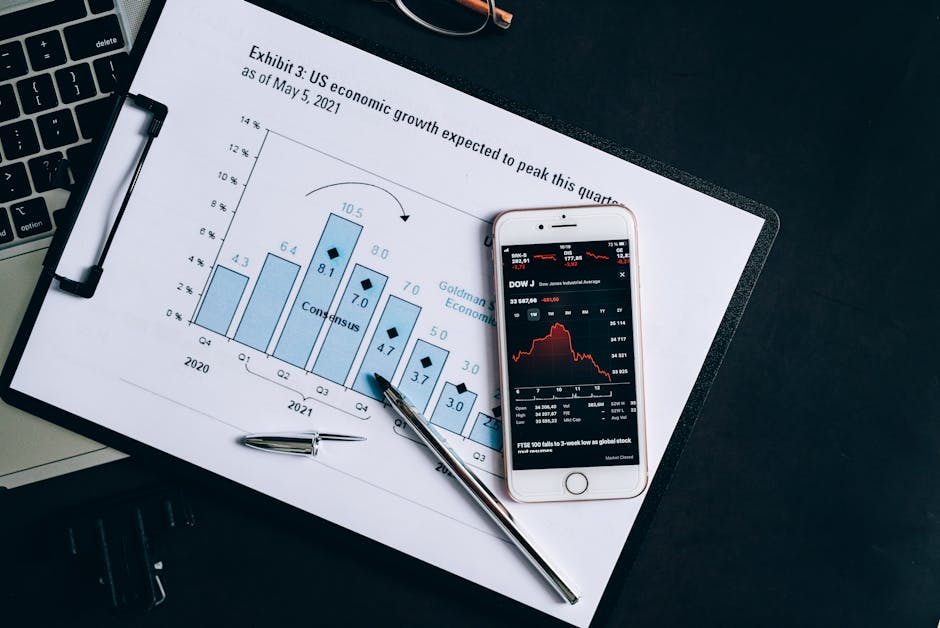
Chancellor Rachel Reeves faces significant challenges at the International Monetary Fund (IMF) meetings as the UK grapples with a downgraded economic forecast. The IMF has reduced the UK's growth rate by 0.5 percentage points, marking it as the biggest loser among G7 nations. With rising inflation and potential unemployment increases, Reeves must navigate these turbulent waters while advocating for measures to support the UK economy.

Washington, USA — Chancellor Rachel Reeves arrived at the International Monetary Fund (IMF) meetings amid a grim economic forecast for the UK. The IMF has downgraded the UK’s growth rate by 0.5 percentage points, marking it as the biggest loser among G7 nations. This downgrade comes at a critical time when the UK is grappling with rising inflation and a potential increase in unemployment.
The IMF’s economic outlook highlights the significant impact of the ongoing conflict in Iran, which is affecting global energy supplies. As a result, the UK faces the highest inflation rates in the G7, with households already feeling the strain from the cost of living crisis. Reeves’s challenge at the IMF will be to navigate these turbulent waters while advocating for measures to support the UK’s economy.
IMF’s Gloomy Forecast and Its Implications
The IMF’s latest assessment underscores a worrying trend for the UK economy. Economic growth had already been sluggish prior to the Iran conflict, and the IMF’s downgraded forecast reflects a broader concern about the UK’s economic resilience. Pierre-Olivier Gourinchas, the IMF’s economic counsellor, noted that the UK’s weak growth trajectory has had a lasting impact on its economic performance.
According to The Guardian, Reeves is attending the IMF and World Bank’s spring meetings in Washington with little leeway to prove the UK’s downgrade wrong. The article highlights that the Chancellor is faced with a forecast that paints a grim picture for the UK economy.
Economic growth had already been sluggish prior to the Iran conflict, and the IMF’s downgraded forecast reflects a broader concern about the UK’s economic resilience.
With inflation nearing 4% and unemployment potentially reaching its highest level in over a decade, the pressure on Reeves is mounting. The Chancellor’s task at the IMF meetings will be to not only respond to these immediate economic challenges but also to lay the groundwork for long-term recovery.
You may also like
 Business Strategy
SBI Mutual Fund’s Anup Upadhyay: Large Caps Offer Greater Safety
Anup Upadhyay of SBI Mutual Fund shares insights on why large caps are currently safer investments than mid or small caps, highlighting market trends and…
Read More →Reeves argues that the Labour government has put the country on a stronger footing, despite the IMF’s findings. However, the reality remains that UK households are facing significant financial pressure. The Chancellor must balance short-term emergency measures with longer-term strategies to stabilize the economy, especially as local elections approach.
Global Context and Domestic Challenges
The situation in the UK is exacerbated by global economic factors, particularly the ongoing war in Iran. This conflict has led to a sharp increase in energy prices, which the UK is particularly vulnerable to due to its reliance on gas. The IMF warns that the war could trigger a global recession, further complicating the UK’s economic landscape.
As reported by Bloomberg, alternative data is increasingly helping economists gauge the war shock. This comes as the UK and other countries are trying to assess the impact of the Iran conflict on their economies.
In light of these developments, Reeves’s approach at the IMF will be critical. She must advocate for targeted financial support while also pushing for investments in renewable energy to mitigate future risks. The need for a balanced approach is paramount as the UK seeks to navigate these uncertain times.
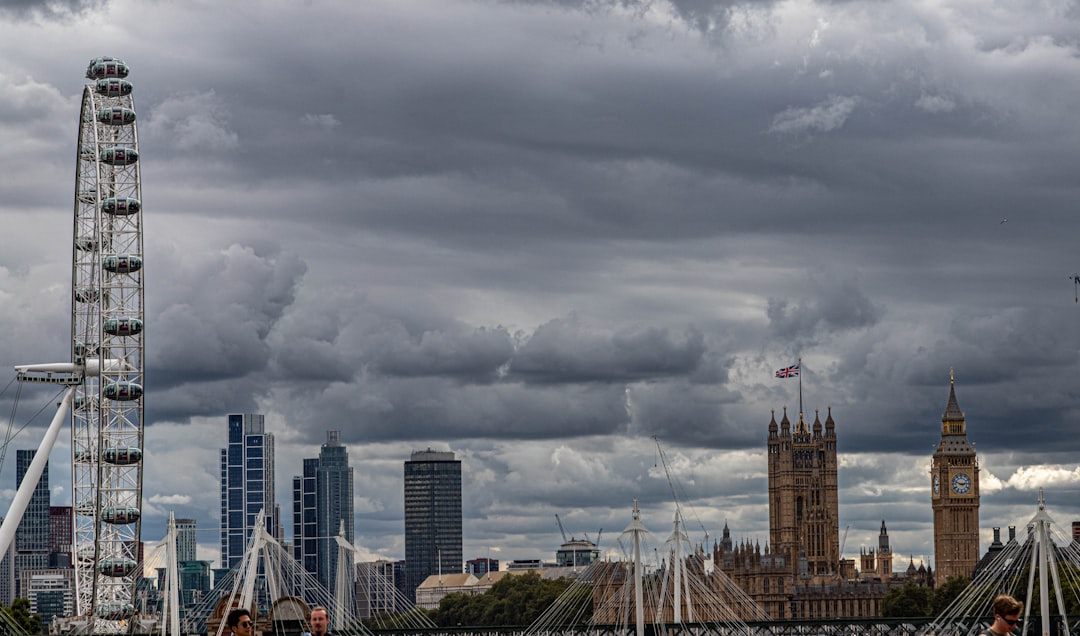
In light of these developments, Reeves’s approach at the IMF will be critical.
Long-Term Economic Strategies
The economic challenges facing the UK are not just immediate but also long-term. The IMF’s downgrade serves as a wake-up call for the government to reassess its economic strategies. With the local elections on the horizon, the Labour party must demonstrate that it can effectively manage the economy amid rising costs and inflation.
Reeves’s presence at the IMF meetings symbolizes a critical moment for the UK. She must use this platform to secure support and outline a clear plan for economic recovery. The stakes are high, and the Chancellor’s ability to respond effectively could shape the future of the UK economy.
You may also like
 Digital Innovation
Navigating the Future of Workplace Technology: Key Insights for Professionals
Discover essential strategies for adopting workplace technology, enhancing digital fluency, and preparing for the future of work.
Read More →
As the situation unfolds, many will be watching how the UK government responds to these pressing challenges. Will Reeves be able to secure the necessary support to stabilize the economy, or will the ongoing conflict and rising inflation continue to hinder growth? The answers to these questions will have significant implications for the UK’s economic future.