No products in the cart.

The Value of a Liberal Arts Degree in the Age of AI
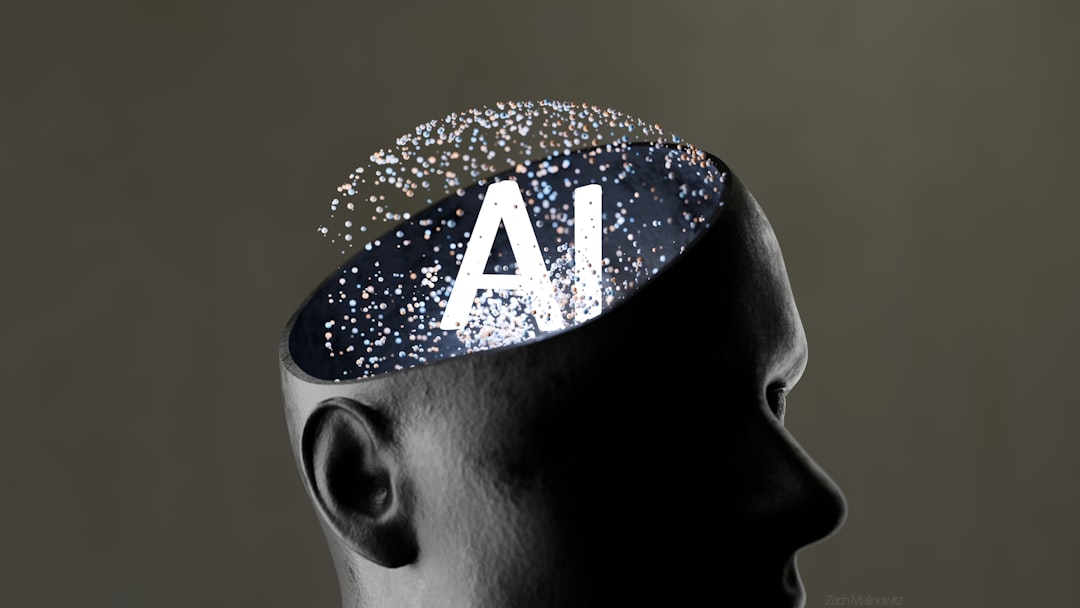
Anthropic cofounders discuss the surprising relevance of liberal arts degrees, especially in English literature, in the AI landscape, emphasizing critical thinking and communication skills.

In a world increasingly dominated by technology and artificial intelligence, the value of a liberal arts education is often questioned. However, insights from Jack Clark, cofounder of Anthropic, suggest that degrees in fields like English literature can be surprisingly relevant in today’s job market. At a recent summit, Clark articulated how his background in humanities has shaped his approach to AI, highlighting the importance of storytelling and critical thinking in this rapidly evolving field.
Clark’s reflection on his education raises a critical question: How do traditional liberal arts disciplines fit into the future of technology-driven industries? As AI continues to automate routine tasks, the skills acquired through a liberal arts education may become essential for navigating the complexities of human interaction and ethical decision-making in technology. This perspective challenges the prevailing notion that technical skills alone are sufficient for success in the tech sector.
The Role of Humanities in AI Development
Jack Clark’s comments underscore a significant shift in how we perceive educational value. He emphasizes that his studies in English literature provided him with a deep understanding of history and narrative structures, which are crucial for developing AI systems that interact with users. According to Clark, understanding the stories we tell ourselves about the future is vital for shaping ethical AI frameworks.
Moreover, Clark points out that the best educational paths encourage synthesis across various disciplines. This interdisciplinary approach fosters analytical thinking, a skill increasingly necessary in a world where AI systems are tasked with making decisions that impact human lives. By integrating insights from literature, history, and philosophy, professionals can better navigate the ethical dilemmas posed by AI technologies.
According to Clark, understanding the stories we tell ourselves about the future is vital for shaping ethical AI frameworks.
Supporting this view, Daniela Amodei, another cofounder of Anthropic, shares her own experience as a literature major. She argues that humanities graduates possess unique skills such as empathy, interpretation, and critical judgment—qualities essential for designing and governing AI responsibly. In her view, as AI takes over more technical roles, the human aspects of communication and understanding will gain prominence.
You may also like
 Business Insights
Employer‑Mandated Mental‑Health Resources Reshape Parental Career Capital in a Post‑Pandemic Economy
Mandated corporate mental‑health programs are redefining the structural relationship between caregiving and career advancement, creating measurable gains in retention, promotion, and economic mobility for parents.
Read More →Technical Skills vs. Liberal Arts Education
The assertion that liberal arts degrees can be advantageous in the tech industry does not come without debate. Critics argue that technical skills are paramount in a field where programming and data analysis dominate. Some industry leaders suggest that the rapid pace of technological advancement necessitates a strong foundation in STEM (science, technology, engineering, and mathematics) disciplines.
However, the contrasting views of Clark and Amodei illustrate a growing recognition that technical expertise alone may not suffice. As the nature of work evolves, the ability to communicate complex ideas effectively and to understand the human context behind technological applications becomes increasingly important. This has led to discussions about the need for a more integrated educational model that combines technical training with a robust understanding of the humanities.
Adapting Education for Future Careers
The insights from Anthropic’s cofounders signal a transformative moment for education and career planning. As AI technologies become more pervasive, the demand for individuals who can bridge the gap between technology and human experience is expected to grow. This trend suggests that educational institutions may need to rethink their curricula, integrating liberal arts education with technical training to prepare students for future challenges.
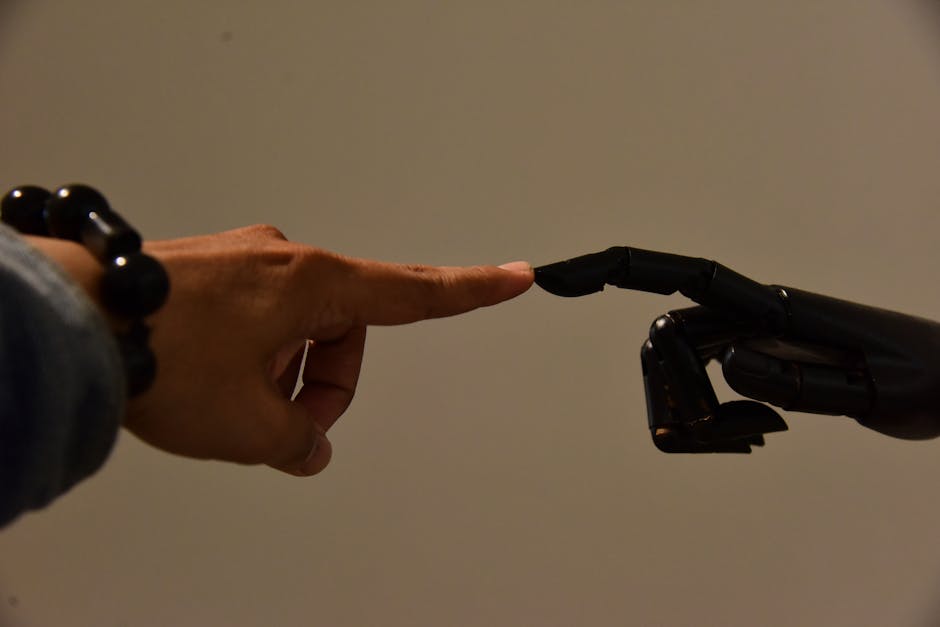
This trend suggests that educational institutions may need to rethink their curricula, integrating liberal arts education with technical training to prepare students for future challenges.
Moreover, the emphasis on interdisciplinary learning aligns with broader educational reforms aimed at fostering adaptability and resilience among graduates. Programs that encourage collaboration between humanities and technical fields could produce a new generation of thinkers capable of addressing complex societal issues through innovative solutions.

Risks, Trade-Offs, and What Comes Next
You may also like
Texas A&M’s Controversial Decision on Teaching Plato
Texas A&M University has warned a philosophy professor not to teach Plato because of new gender rules, igniting a debate over academic freedom and curriculum.
Read More →Ultimately, the experiences of Clark and Amodei serve as a powerful reminder that education is not a one-size-fits-all model. The future will likely require a blend of skills that encompass both the analytical and the humanistic, creating opportunities for those willing to embrace a more holistic approach to learning. As industries adapt to new technologies, the ability to think critically, communicate effectively, and understand the human context will be invaluable. For those entering the job market, the lessons from Anthropic’s cofounders highlight the importance of a well-rounded education that prepares individuals for the multifaceted challenges of the future.