


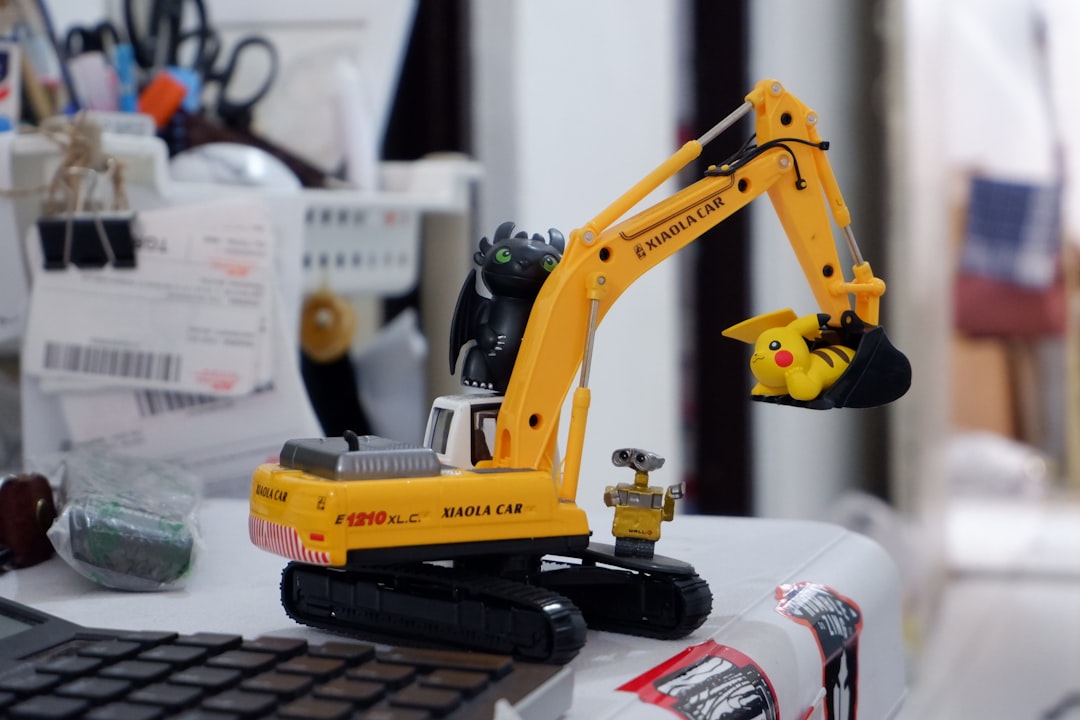
Boston, USA — The release of the video “Why WALL-E is ‘The Good Scenario’ from AI Disruption” has sparked a critical conversation about the future of work in an era dominated by artificial intelligence. As AI technologies evolve, they are reshaping the landscape of employment and skill requirements. This discussion is particularly relevant now, as workers worldwide navigate the challenges and opportunities presented by automation. The film WALL-E serves as a metaphor for this shift, illustrating both the potential benefits and the risks associated with AI integration into everyday life.
In the video, MIT professor David Autor emphasizes that the key question is not whether jobs can be automated, but rather which tasks within those jobs will be automated and who stands to benefit from these changes. This perspective is crucial as it highlights the nuanced nature of AI’s impact on the workforce. While some may fear job loss, others see a chance for increased productivity and wage growth. As Autor points out, AI can both enhance human capabilities and create new roles that require different skills.
Furthermore, Stanford professor Erik Brynjolfsson discusses the dual nature of AI’s impact on society. He notes that while AI can lead to greater efficiency and innovation, it also poses the risk of widening inequality if not managed correctly. Policymakers and businesses must work together to ensure that the benefits of AI are distributed equitably across society. This collaborative approach could help mitigate the risks associated with job displacement and economic inequality.
How WALL-E Reflects the Future of Work
The narrative of WALL-E resonates deeply with the current discourse on AI. The film portrays a future where automation has taken over many mundane tasks, allowing humans to focus on more meaningful activities. This scenario aligns with the idea that AI can free up human potential rather than replace it. For instance, in industries where repetitive tasks are prevalent, AI can handle these functions, enabling workers to engage in more complex and creative endeavors.
As the workforce evolves, employees will need to embrace lifelong learning and continuously update their skills.
Moreover, the film emphasizes the importance of adaptability and resilience. As the workforce evolves, employees will need to embrace lifelong learning and continuously update their skills. This shift is already evident in various sectors, where companies are increasingly prioritizing skills over traditional qualifications. For example, many tech firms are now hiring based on coding skills rather than formal degrees, reflecting a broader trend towards valuing practical knowledge.
 Career Guidance
How to Switch Industries Mid-Career Without Starting Over
Bridge roles can reduce risk, while targeted skills and industry-specific applications help you make the case for a new field.
Read More →According to a report by the World Economic Forum, jobs that require human interaction, creativity, and critical thinking will be in higher demand as AI technologies advance. This means that workers who invest in developing these skills will be better positioned for success in the future job market. As automation takes over routine tasks, the ability to innovate and problem-solve will become invaluable.
Positioning Yourself for an AI-Driven Job Market
To thrive in an AI-influenced workforce, you can take several actionable steps:
- Upskill Regularly: Identify areas where you can enhance your skills, particularly in technology and data analysis. Online platforms like Coursera and Udacity offer courses that can help you stay relevant in your field.
- Network Strategically: Build connections with professionals in your industry. Attend workshops, webinars, and conferences to learn from experts and share insights with peers.
- Embrace Lifelong Learning: Adopt a mindset of continuous education. Subscribe to industry newsletters and join forums to stay updated on the latest trends and technologies affecting your field.
- Focus on Soft Skills: Develop skills such as communication, teamwork, and adaptability. These abilities will be crucial as workplaces become more collaborative and less hierarchical.
However, experts warn that this optimistic outlook may not be universally applicable. Critics argue that while AI can create opportunities, it also risks exacerbating existing inequalities. A recent report from the International Labour Organization suggests that without proper training and support, many workers could find themselves displaced and unable to transition into new roles. This highlights the need for comprehensive policies that address the potential downsides of AI integration.
The Path Forward in an AI Landscape
The future of work in an AI-driven world is still being shaped. As businesses continue to adopt AI technologies, the demand for workers who can complement these systems will grow. The key will be finding a balance between automation and the human touch. This balance will determine how effectively companies can harness AI to drive innovation while ensuring that their workforce remains engaged and empowered.
This means that workers who invest in developing these skills will be better positioned for success in the future job market.
As we look ahead, the question remains: How can we ensure that the benefits of AI are shared broadly, fostering an inclusive workforce that thrives alongside technological advancements? The answer may lie in proactive education, adaptable policies, and a commitment to lifelong learning.


Written by Career Ahead AI. AI can make mistakes, so verify key facts. Report errors to support@careeraheadonline.com.





