No products in the cart.

Amazon Just Made a Big Space Play. Should Elon Musk Be Nervous?
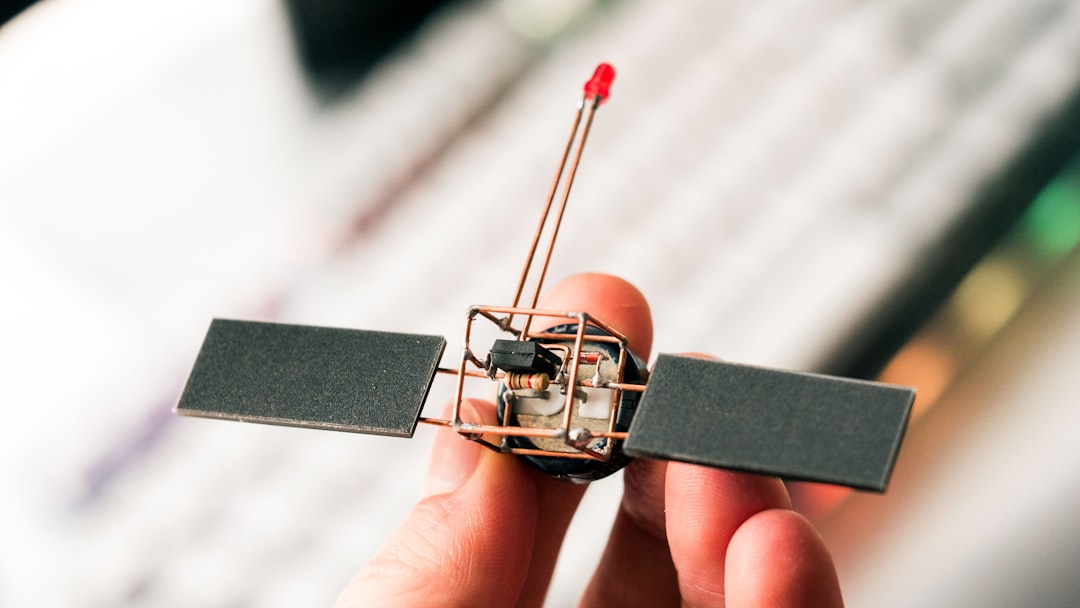
Amazon's acquisition of Globalstar for $11.57 billion positions the tech giant as a formidable player in the satellite communications market, intensifying competition with SpaceX's Starlink. This move could reshape connectivity options in remote areas and during emergencies.

Amazon’s recent acquisition of Globalstar, a satellite communication firm, for $11.57 billion has sent shockwaves through the tech and space industries. This bold move not only positions Amazon as a serious contender in the satellite market but also intensifies the competition with Elon Musk’s SpaceX and its Starlink network. The implications of this acquisition are profound, as it could reshape how we communicate in remote areas and during emergencies.
As Amazon integrates Globalstar’s technology into its Project Kuiper initiative, the stakes are higher than ever. This analysis delves into the details of the acquisition, its impact on the competitive landscape, and what it means for the future of satellite communications.
Amazon’s Strategic Acquisition of Globalstar
The acquisition of Globalstar marks a pivotal moment for Amazon. The company aims to enhance its Project Kuiper, which plans to deploy approximately 3,200 satellites by 2029. This network will provide global broadband service and compete directly with SpaceX’s Starlink, which currently boasts around 10,000 satellites in orbit.
Globalstar’s existing technology allows for direct-to-phone messaging without relying on traditional cell towers. This capability is crucial for areas prone to natural disasters, where communication infrastructure may be compromised. Amazon’s ambition to roll out this service by 2028 demonstrates its commitment to expanding connectivity options for users worldwide.
According to Reuters, the deal not only boosts Amazon’s hardware capabilities but also significantly enhances its technological edge in satellite communications. By acquiring Globalstar, Amazon gains access to a network that has already been integrated into critical services like Apple’s Emergency SOS feature, showcasing the potential for life-saving applications.
By acquiring Globalstar, Amazon gains access to a network that has already been integrated into critical services like Apple’s Emergency SOS feature, showcasing the potential for life-saving applications.
The Competitive Landscape: Amazon vs. SpaceX
The rivalry between Amazon and SpaceX is heating up, with both companies vying for dominance in satellite communications. SpaceX’s Starlink has established a significant presence in the market, and according to reports, it has a substantial user base. However, Amazon’s acquisition of Globalstar allows it to accelerate its entry into this competitive space.
You may also like
 Artificial Intelligence
AI’s New Frontier: Understanding Accents and Dialects
A recent landmark study enhances AI's ability to comprehend diverse accents and dialects, reshaping communication in technology.
Read More →Elon Musk’s SpaceX has set a high bar with its ambitious plans and rapid deployment of satellites. This has raised questions about whether Amazon can catch up. While Amazon’s Project Kuiper is still in its early stages, the integration of Globalstar’s technology could provide a vital advantage. The ability to communicate directly with phones without needing a cell tower could attract users in underserved regions.
As reported by Bloomberg, Amazon’s move into the satellite space could potentially disrupt the traditional dominance of ground-based communication infrastructure. This shift may lead to more resilient and flexible communication networks, particularly in disaster-prone regions.

Future Implications for Satellite Communications
The implications of Amazon’s acquisition extend beyond immediate competition with SpaceX. As satellite technology continues to advance, the potential applications for businesses and consumers are vast. From enhancing internet access in rural areas to providing critical communication during emergencies, the future of satellite communications looks promising.
Moreover, as more companies invest in satellite infrastructure, we may see a shift in how communication services are delivered. The traditional reliance on ground-based infrastructure may evolve, allowing for more resilient and flexible communication networks. This could be particularly beneficial in disaster-prone regions where conventional systems often fail.
From enhancing internet access in rural areas to providing critical communication during emergencies, the future of satellite communications looks promising.

According to Entrepreneur, the growing demand for satellite technology and communications expertise means that skills in these areas will be increasingly valuable in the job market. As the industry continues to evolve, professionals with expertise in satellite communications will be in high demand.
You may also like
 Business Insights
Patent Battles Redraw the Innovation Map: How Recent Court Rulings Reshape Pharmaceutical Capital and Competition
Recent Supreme Court and Federal Circuit rulings on inducement of infringement and skinny‑label practices are redirecting pharmaceutical capital from early‑stage discovery toward defensive patent portfolios,…
Read More →However, the rapid expansion of satellite networks also raises concerns about space debris and regulatory challenges. As more satellites are launched, the risk of collisions increases, prompting calls for stricter regulations and sustainable practices in space. Both Amazon and SpaceX will need to address these challenges to ensure the long-term viability of their operations.
Sources: Entrepreneur, Reuters, Bloomberg.