No products in the cart.

Who Benefits from Hybrid Working? Insights on Autonomy & Interruptions

Explore the impact of hybrid work on productivity, autonomy, and well-being. Discover who thrives and who struggles in this evolving work model.


“`html
The productivity Paradox: Understanding Hybrid Work Effectiveness
Hybrid as a Strategic Choice
Five years after the pandemic, hybrid work has become a permanent option for many organizations. It’s not a one-size-fits-all solution; it interacts with task design, technology, and individual management. About 42% of employees prefer a hybrid schedule, reflecting a desire for flexibility and occasional in-person collaboration.
How Autonomy Boosts productivity
Research shows that autonomy enhances productivity. Employees who choose between a quiet home office or a busy office can better match their environment to their tasks. For deep work—like coding or data analysis—working remotely reduces interruptions common in open offices. Digital collaboration tools, widely adopted during the pandemic, save time lost to commuting and meetings, allowing more focus on work.
When Interruptions Hinder Progress
However, autonomy can also lead to self-discipline challenges. A 2024 study by the Oxford Review notes that hybrid models require strong self-management skills, as home distractions can affect performance. Household chores, family, and personal devices compete for attention, blurring the line between work and leisure. In these cases, productivity gains may disappear, turning hybrid work into a source of frustration.
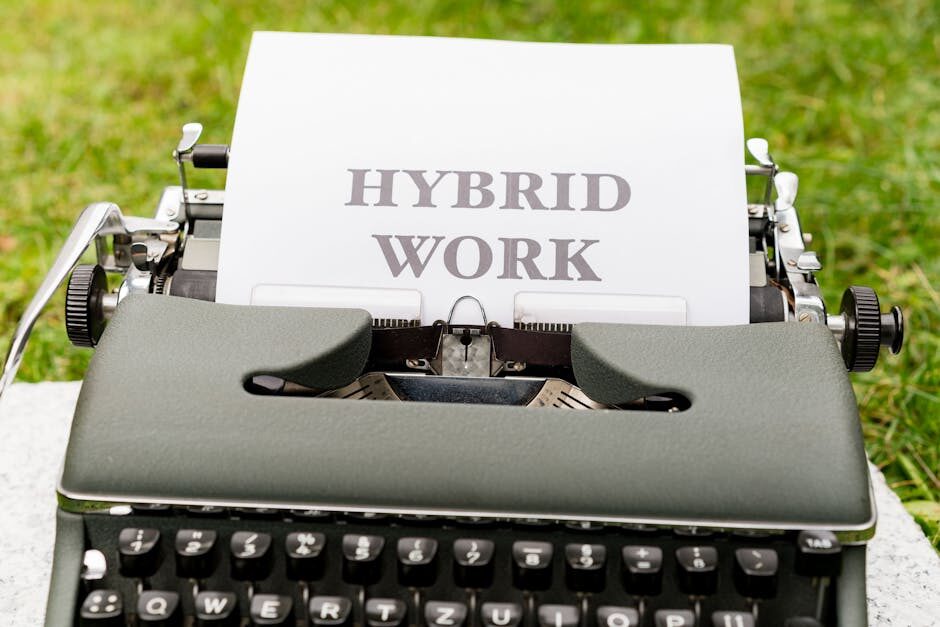
A 2024 study by the Oxford Review notes that hybrid models require strong self-management skills, as home distractions can affect performance.
Balancing Well-Being: The Pros and Cons of Flexibility
Health Benefits of Hybrid Work
The main advantage of hybrid work is increased control over one’s schedule. The 2024 research highlights positive health outcomes: less commuting leads to “more time for family and home life,” which often translates into exercise and self-care. Employees report “improved sleep, diet, and energy levels,” indicating a healthier work-life balance. Reduced travel also lowers stress from traffic, contributing to lower anxiety levels.
The Hidden Costs of Isolation
You may also like
 Entrepreneurship & Business
D-Mart Q2 revenue rises 18% to Rs 19,206 cr; store count at 518
D-Mart's Q2 revenue rose 18% to Rs 19,206 crore, reflecting a strong growth trend in India's retail sector. The company's expansion to 518 stores indicates…
Read More →However, this flexibility can lead to feelings of isolation. The study identifies “loneliness” and “fewer face-to-face interactions” as significant downsides, especially for those who thrive on spontaneous office interactions. The lack of in-person contact can lower morale and diminish the sense of belonging that drives engagement. Additionally, working from home can blur the lines between work and personal life, leaving some employees feeling constantly “on call.”
The Future of Work: Who Benefits Most from Hybrid Models?
Professionals Thriving on Autonomy
Highly skilled workers—like software engineers, analysts, and designers—benefit most from hybrid arrangements. Their work often requires deep concentration, which thrives in self-curated environments. The ability to choose a quiet home office for focused work and a collaborative office for brainstorming aligns with findings that “hybrid working can enhance productivity.” This flexibility also supports better mental health by allowing personal responsibilities to fit into the workday.

Roles Struggling with Isolation
In contrast, roles that depend on informal mentorship, quick feedback, or hands-on coordination—like frontline staff, junior sales associates, or lab technicians—may find hybrid schedules less beneficial. Reduced in-person contact can increase feelings of “isolation and loneliness,” and the constant shift between home and office can blur work-life boundaries, harming both performance and well-being. For these employees, the flexibility of hybrid work may not compensate for lost spontaneous learning opportunities found in shared spaces.

Professionals Thriving on Autonomy Highly skilled workers—like software engineers, analysts, and designers—benefit most from hybrid arrangements.
Creating Inclusive Hybrid Policies
To maximize the benefits of hybrid work while addressing its challenges, organizations should avoid a simple “remote-or-office” approach. Effective hybrid policies should clarify expectations for core collaboration days, ensuring teams have regular opportunities for face-to-face interaction. Training programs that enhance self-management skills—like time management and boundary-setting—can help employees make the most of their autonomy without falling prey to home distractions. Additionally, fostering a supportive culture through virtual coffee chats, regular check-ins, and equitable access to office resources can help reduce feelings of isolation.
Ultimately, hybrid work is not a universal solution for productivity or well-being issues; it must be tailored to each role, personality, and organizational culture. Successful firms will treat hybrid work as a dynamic system, continuously measuring outcomes, adjusting strategies, and investing in the skills that turn flexibility into a sustainable advantage.
You may also like
 Entrepreneurship & Business
Food firms flock to yeast protein as whey prices rise
As whey protein prices soar, food companies in India are increasingly turning to yeast protein to diversify their offerings and meet changing consumer preferences.
Read More →“`