No products in the cart.

CBSE Umang Results 2026: What Students Need to Know
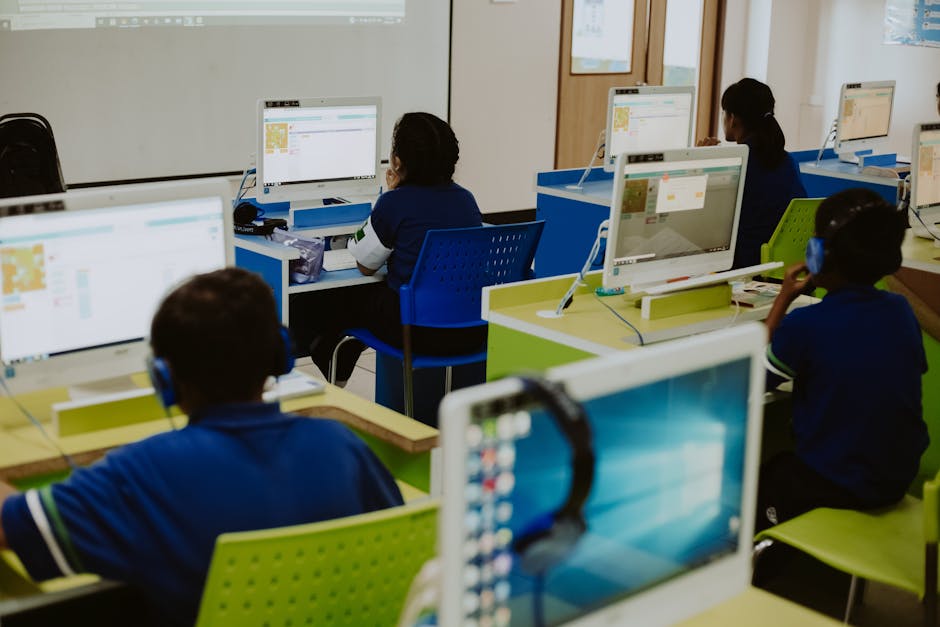
The CBSE Class 10 results for 2026 have been declared through digital platforms, marking a significant shift in education. This article explores the impact of this change.


New Delhi, India — The Central Board of Secondary Education (CBSE) has declared the Class 10 results for 2026 through its digital platform, UMANG. This year’s announcement marks a significant shift in how results are shared, reflecting the board’s commitment to digital transformation in education. Students can now access their scores online, streamlining the process and reducing the need for traditional press conferences.
On April 15, 2026, the results were made available after a quicker evaluation process compared to previous years. The board conducted exams from February 17 to March 11, 2026, and the results were released without the customary press briefings. Instead, all information was disseminated through authorized online channels, which represents a broader trend towards digitalization in education.
This digital-first approach not only eases access to results for students but also aligns with global educational trends. As more educational institutions embrace technology, the CBSE’s decision to prioritize digital platforms may set a precedent for other boards and institutions across India.
Understanding the Digital Shift in Education
The transition to digital platforms for exam results is not merely a technological upgrade; it reflects a deeper cultural shift within educational institutions. According to reports from Economic Times, the CBSE’s move aims to enhance transparency and efficiency in the examination process. By reducing reliance on physical documents and in-person announcements, the board can minimize delays and streamline communication.
Moreover, the UMANG app has become a vital tool for students. It allows them to check their results conveniently from their smartphones. This change is particularly significant for students in remote areas who may not have easy access to schools or educational centers. The ability to access results digitally ensures that all students, regardless of their location, can stay informed and make timely decisions about their academic futures.
This change is particularly significant for students in remote areas who may not have easy access to schools or educational centers.
While the digital results system has its advantages, it also raises questions about accessibility and digital literacy among students and parents. Not all families may have the necessary technology or skills to navigate these platforms, which could create disparities in access to educational resources. Addressing these challenges will be crucial as the education sector continues to evolve.
You may also like
 Artificial Intelligence
Rahul Patil Takes the Helm as CTO at Anthropic
Rahul Patil's new role as CTO at Anthropic marks a significant change in AI leadership, focusing on innovation and strategic growth.
Read More →Implications for Students and Schools
The implications of the CBSE’s digital results announcement extend beyond just the students. Schools must adapt to this new way of communicating results, which may require additional training for staff and updates to their own systems. The shift could lead to changes in how schools manage student data and communicate with parents, emphasizing the need for robust digital infrastructure.
For students, the immediate impact is clear: they can access their results faster and more conveniently. However, the long-term effects may include a shift in how students approach their studies. With results available online, students may feel more pressure to perform well, knowing that their scores are easily accessible to potential schools and employers.
Furthermore, the board’s emphasis on digital processes may encourage students to develop necessary digital skills that are increasingly important in today’s job market. As industries continue to evolve with technology, students who are adept at using digital tools will likely have a competitive edge in their future careers. As highlighted in a report by the Economic Times, fostering digital literacy is essential for preparing students for the evolving workforce.

Future of Education in a Digital World
The move to digital results is part of a larger trend in education that prioritizes technology and accessibility. As educational institutions worldwide embrace digital solutions, the CBSE’s decision could inspire similar changes in other educational boards across India. This trend highlights the importance of adapting to technological advancements to meet the needs of modern learners.
As industries continue to evolve with technology, students who are adept at using digital tools will likely have a competitive edge in their future careers.
Looking ahead, the education sector may see more innovations focused on enhancing student experiences and outcomes. For instance, integrating artificial intelligence and data analytics into educational practices could provide personalized learning experiences for students, helping them to achieve their academic goals more effectively.

However, this rapid transformation also brings challenges. Ensuring that all students have equal access to technology and the internet will be critical. Policymakers and educational leaders must work together to create inclusive strategies that bridge the digital divide and ensure that no student is left behind.
You may also like
 Career Growth
Starting UPSC Prep at 17: Discipline, Degrees, and the Fine Line Between Ambition and Burnout
India’s teenagers are beginning UPSC prep years before they’re eligible. Experts and toppers say the trick is balance—board grades, degree depth, answer-writing practice, and a…
Read More →The digitalization of exam results signifies a pivotal moment for education in India. As CBSE leads the way, the question remains: how will other educational institutions respond to this shift? Will they follow suit, and what will that mean for the future of education in the country?
Sources: D;this.cause=e;this.message=this.tostring()tostring()return$jfa(this), Bbc, Bloomberg.