No products in the cart.

Harnessing Emotional Intelligence for Career Growth in 2025
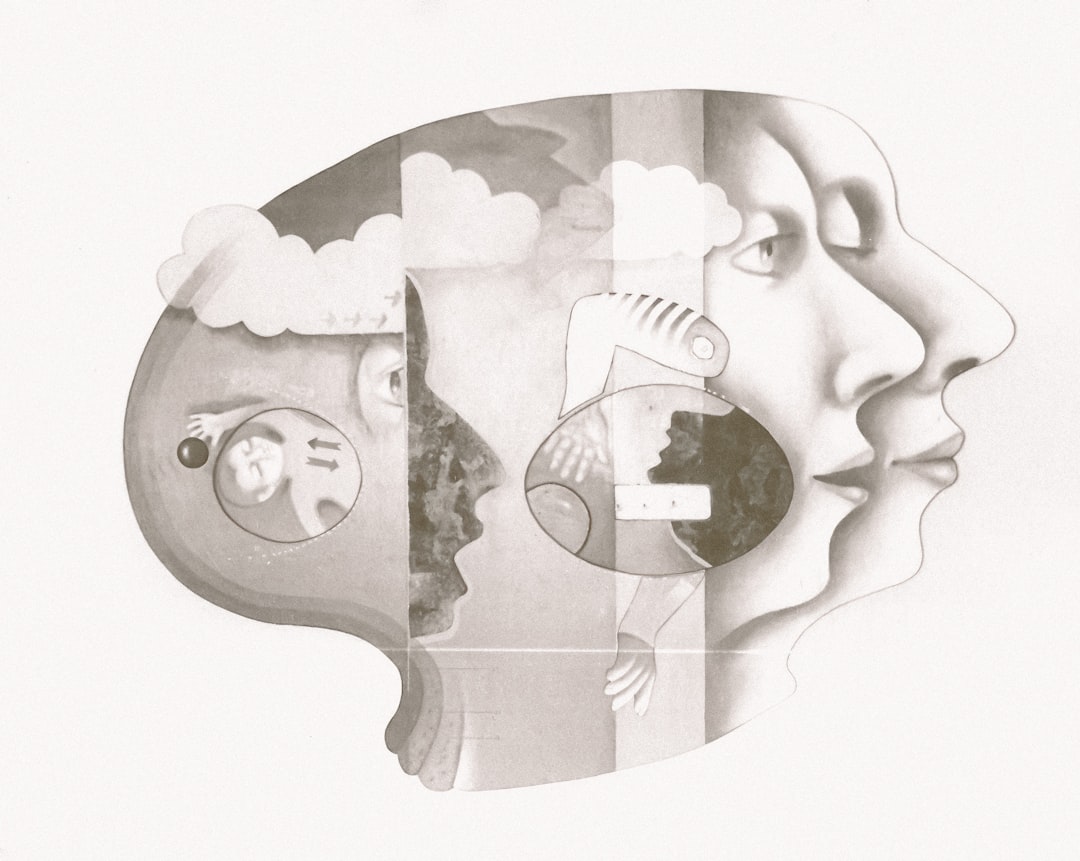
Emotional intelligence is emerging as a vital skill for career success. This article explores its significance in hiring and offers exercises to boost EQ.

[City], [Country] — In the bustling world of 2025, where technology and human interaction intertwine like threads in a tapestry, emotional intelligence (EQ) is emerging as a pivotal skill in the job market. As companies increasingly prioritize interpersonal skills, the ability to navigate one’s own emotions and understand those of others is no longer just a bonus; it’s becoming a career superpower.
But what exactly is emotional intelligence? In its essence, EQ encompasses the skills of recognizing, understanding, and managing our own emotions while also being attuned to the emotions of others. It’s a complex interplay of self-awareness, empathy, and social skills that shapes our interactions in the workplace. In a recent survey conducted by the World Economic Forum, 80% of respondents indicated that they believe EQ will be more important than IQ in the hiring process within the next five years [1].

As we delve deeper into this evolving landscape, let’s consider the multifaceted role of emotional intelligence in various career paths. For instance, in healthcare, professionals are not only tasked with clinical skills but also with the emotional well-being of their patients. A study published in the Journal of Healthcare Management found that nurses who exhibit high levels of emotional intelligence report better patient outcomes and job satisfaction [2]. In tech, where collaboration is often the cornerstone of success, teams that prioritize EQ can foster a culture of innovation and resilience. Leaders who embody emotional intelligence are more adept at navigating conflicts and inspiring their teams.
Yet, despite its clear advantages, many individuals struggle to articulate or develop their emotional intelligence. Unlike technical skills, which can be taught through structured learning, EQ often requires a more nuanced approach. Building emotional intelligence isn’t a one-size-fits-all process; it involves practice, reflection, and sometimes even vulnerability.
For instance, in healthcare, professionals are not only tasked with clinical skills but also with the emotional well-being of their patients.
One effective method for enhancing emotional intelligence is through mindfulness meditation. By fostering self-awareness and emotional regulation, mindfulness practices can help individuals better manage stress and respond empathetically to others. A meta-analysis published in the Journal of Occupational Health Psychology found that mindfulness training significantly improved participants’ emotional intelligence scores, leading to better workplace performance [3].
Another practical exercise is active listening, a skill that underpins effective communication. This involves not just hearing words but also understanding the emotions behind them. Engaging fully with colleagues, asking open-ended questions, and reflecting on their responses can dramatically enhance workplace relationships. A study from Harvard Business Review revealed that leaders who practice active listening can increase team performance by up to 25% [4].
For those looking to develop their emotional intelligence, consider seeking feedback from peers and mentors. Constructive criticism can illuminate blind spots and provide insights into how one’s emotional responses affect others. Additionally, participating in group activities or workshops focused on team-building can offer real-time practice in empathy and collaboration.
You may also like
 Artificial Intelligence
Pentagon Labels Anthropic as Supply-Chain Risk: Implications for AI
The Pentagon's unprecedented designation of Anthropic as a supply-chain risk raises concerns over AI development and military operations, prompting industry backlash.
Read More →As we look toward the future, it’s clear that emotional intelligence will continue to shape the professional landscape. Organizations that prioritize EQ in their hiring and training processes will likely see a boost in employee engagement and productivity. For job seekers, cultivating emotional intelligence could be a game-changer in a competitive marketplace. As the line between work and personal life blurs, the ability to connect with others on a deeper level will become an invaluable asset.
As we look toward the future, it’s clear that emotional intelligence will continue to shape the professional landscape.
In this rapidly changing world, where technology often overshadows human connection, developing emotional intelligence may very well be the key to unlocking the next level of career success. Embrace it, practice it, and watch as new doors open.