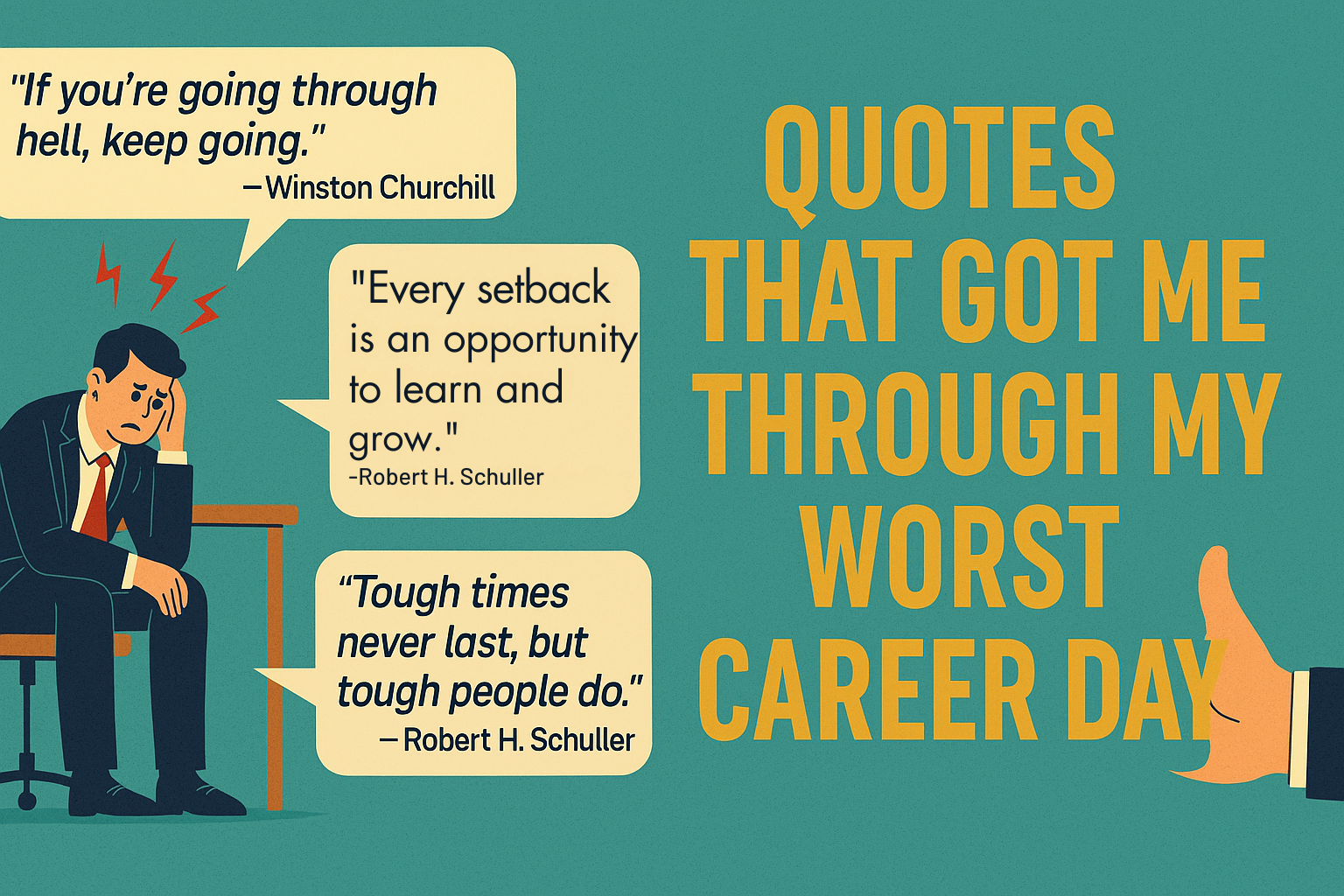
washington, D.C. — america’s job market is displaying troubling signs as worker confidence continues to crumble amid a wave of layoffs and shutdowns. recent data shows that the unemployment rate has edged up to 4.6% as of october 2025, marking a notable increase from 3.8% just a year prior[1]. companies across various sectors, including technology and retail, are announcing significant job cuts, raising concerns about the overall stability of the economy.
this gradual decline in job security is prompting many workers to reassess their career paths and financial futures. according to a survey conducted by gallup, only 34% of american workers feel optimistic about their job prospects, a decrease from 48% earlier this year[2]. these sentiments reflect broader anxieties about economic performance, inflation, and rising interest rates, which have created a complex landscape for job seekers.
As layoffs become more frequent—companies like meta and amazon have announced thousands of job cuts—workers are feeling the pinch. In the tech sector alone, over 200,000 jobs were eliminated in 2023, with an additional 70,000 cuts reported in 2025[3]. this trend is not limited to tech; retail giants like walmart are also restructuring, resulting in the closure of several stores and a reduction in workforce.
The fear of job loss is prompting many individuals to explore alternative career paths. Many are seeking freelance or gig work as a buffer against traditional employment instability. The gig economy, which experienced significant growth during the pandemic, is now seen as a viable alternative for those seeking flexibility and autonomy. However, this shift also poses challenges, as gig workers often lack access to benefits typically associated with full-time employment.
online learning platforms are also gaining traction, providing accessible training programs that cater to the needs of a diverse workforce.
Moreover, the current climate is forcing educational institutions to adapt. with a growing demand for skills in data analysis, cybersecurity, and digital marketing, many universities and colleges are revising their curricula to better prepare students for the evolving job landscape. online learning platforms are also gaining traction, providing accessible training programs that cater to the needs of a diverse workforce.
In response to these trends, employers are also rethinking their hiring strategies. companies are increasingly focusing on soft skills, such as adaptability and communication, alongside technical competencies. this shift underscores the importance of lifelong learning and continual professional development in today’s fast-paced job market.
while the current job market presents significant challenges, there are also opportunities for innovation and growth. As businesses adapt to economic pressures, they are likely to invest in technology and automation, potentially creating new roles in tech and engineering. The world economic Forum estimates that by 2025, 97 million new roles may emerge as a result of the technological shifts[4]. this could provide a much-needed boost to the employment landscape.
looking ahead, worker confidence will hinge on several factors, including economic recovery, government policy, and corporate responsibility. policymakers must address the root causes of job insecurity by promoting job creation and supporting industries most affected by economic downturns. initiatives such as workforce development programs and incentives for businesses to retain employees could play a critical role in rebuilding trust in the job market.
initiatives such as workforce development programs and incentives for businesses to retain employees could play a critical role in rebuilding trust in the job market.
As we navigate this uncertain terrain, it is crucial for workers to remain proactive about their careers. engaging in continuous learning, networking, and exploring new opportunities will be essential for adapting to the evolving job landscape. The future of work will demand resilience and adaptability, and those who embrace change will likely thrive in the new economic reality.
Written by Career Ahead AI. AI can make mistakes, so verify key facts. Report errors to support@careeraheadonline.com.