No products in the cart.

How robots learn: A brief, contemporary history
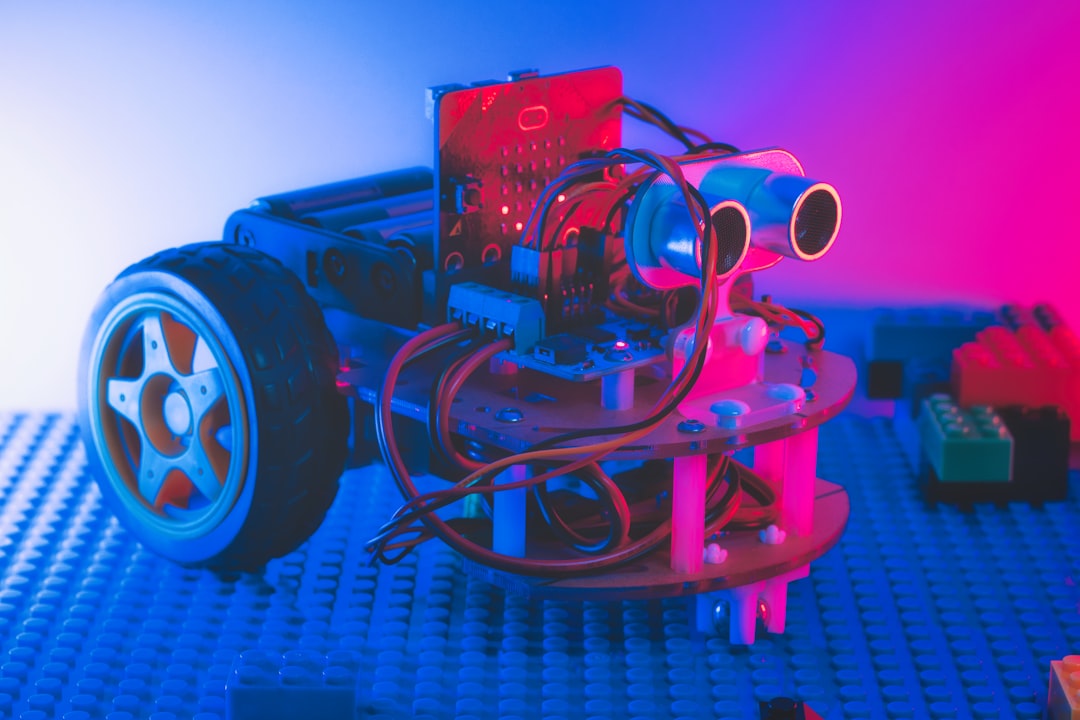
The latest boom in robotics is characterized by significant financial investment and groundbreaking research. Historically, roboticists aimed to replicate the intricate capabilities of the human body. In the early days of robotics, machines operated on a simple principle: follow pre-defined rules.

Robotics has undergone a remarkable transformation in recent years. The way machines learn to interact with the world has evolved dramatically. Once limited to rigid programming, robots now adapt through advanced learning techniques. This shift is not just a technological marvel; it is reshaping industries and redefining human-robot interactions.
The latest boom in robotics is characterized by significant financial investment and groundbreaking research. In 2025 alone, companies and investors poured $6.1 billion into humanoid robots, a staggering fourfold increase from the previous year. This surge reflects a growing confidence in the potential of robots to perform complex tasks and integrate into everyday life (MIT Technology Review).
Historically, roboticists aimed to replicate the intricate capabilities of the human body. They envisioned machines that could navigate diverse environments and assist in various tasks, from aiding those with mobility challenges to performing dangerous jobs. However, past failures left many skeptical about the feasibility of such robots. Today, a revolution in learning methodologies is changing that narrative.
From Rigid Programming to Adaptive Learning
In the early days of robotics, machines operated on a simple principle: follow pre-defined rules. For instance, if a robot were tasked with folding clothes, it would rely on a strict set of instructions. This approach was limited, as the number of variables in real-world scenarios quickly became overwhelming. As a result, developers faced significant challenges in creating versatile robots capable of handling everyday tasks.
In the early days of robotics, machines operated on a simple principle: follow pre-defined rules.
You may also like
 Business Insights
When Empathy Leads to Ethical Misconduct in Management
This article examines the unexpected consequences of management empathy, revealing how it can lead to unethical behavior in organizations.
Read More →By around 2015, a shift began to take place. Researchers started to employ digital simulations to train robots. Instead of encoding every possible scenario, they introduced a reward-based system. This method allowed robots to learn through trial and error, refining their techniques over millions of iterations. This paradigm shift mirrored advancements in artificial intelligence, where systems learned to play games by predicting outcomes based on previous experiences.
According to the MIT Technology Review, this new approach has led to a surge in investment and interest in robotics. The potential for robots to learn autonomously and adapt to their environments has opened doors for innovations previously thought impossible. As machines become more capable, the scope of their applications expands, promising to revolutionize industries from manufacturing to healthcare.
Machine Learning: The Catalyst for Robotic Advancement
The integration of machine learning techniques has been pivotal in the evolution of robotic capabilities. Early robotic systems relied heavily on reinforcement learning (RL), where robots learned to maximize rewards through specific actions. Pioneering work at companies like OpenAI demonstrated the effectiveness of these methods. For instance, the Dactyl robot hand learned to manipulate objects like Rubik’s cubes through a process known as domain randomization, which introduced variations in training environments (MIT Technology Review).
This sim-to-real approach addressed the challenges posed by discrepancies between simulated and real-world physics. By exposing robots to a range of conditions during training, developers enhanced their performance in unpredictable environments. As a result, robots became more adept at tasks requiring dexterity and precision, paving the way for their use in complex applications.
This method has proven effective in enabling robots to learn new tasks quickly, enhancing their versatility and utility.
Moreover, advancements in imitation learning have accelerated progress in robotic training. Researchers have developed extensive datasets, such as RoboTurk and RLBench, which capture human demonstrations of various tasks. By training robots to mimic these behaviors, developers can reduce the time and resources needed for training. This method has proven effective in enabling robots to learn new tasks quickly, enhancing their versatility and utility.
You may also like
 Business Innovation
Ecological Literacy Becomes the Core Credential in Business Schools
Ecological literacy is moving from an elective to a core credential in business schools, reshaping career capital and institutional power by aligning academic output with…
Read More →
As noted by Wiretel, the shift from traditional programming to machine learning has not only improved the efficiency of robots but has also expanded their operational capabilities. Robots can now engage in more complex interactions with their environments, leading to applications in areas such as elder care, where robots can assist with daily activities, and in logistics, where they can optimize supply chain processes.
Future Implications and Industry Impact
The implications of these advancements in robotic learning are profound. As robots become increasingly capable, their integration into everyday life will likely accelerate. Industries such as logistics, healthcare, and even domestic environments stand to benefit significantly. For instance, humanoid robots could assist in warehouses, performing tasks that require both physical dexterity and cognitive adaptability.
However, this rapid evolution also raises important questions about the future of work and human-robot collaboration.
However, this rapid evolution also raises important questions about the future of work and human-robot collaboration. While robots can enhance productivity and efficiency, there is concern about their impact on employment. As machines take on more complex tasks, the nature of work will inevitably change. Workers may need to adapt by acquiring new skills that complement robotic capabilities.

Furthermore, the ethical considerations surrounding robotic learning cannot be overlooked. As robots gain the ability to learn and adapt, ensuring their safe and responsible use becomes paramount. Developers and policymakers must collaborate to establish guidelines that govern the deployment of these technologies, addressing potential risks and ensuring they benefit society as a whole.
You may also like
 Business Innovation
Jakson Group forays into electric three and the New Career Landscape
MUMBAI, India — Jakson Group has officially entered the electric mobility sector with its recent investment in a Bengaluru-based company. This strategic move aims to…
Read More →In conclusion, the evolution of robotic learning marks a significant milestone in the intersection of technology and society. As machines become more intelligent and adaptable, they hold the potential to transform industries and enhance human life. The journey of robotics is just beginning, and its future promises to be as exciting as it is uncertain. The insights from various sources, including the MIT Technology Review and Wiretel, highlight the ongoing advancements and the critical need for responsible innovation in this rapidly evolving field.